- Run a weekly WINDOW-12 check: Weight and moisture, Insects, Near-window light, Drainage and root space, Overfeeding and salt, and Wind or room conditions. Most indoor decline starts with those basics, not a mystery disease. (hgic.clemson.edu)
- Do not water by calendar. University of Maryland Extension recommends checking moisture with a finger test and pot weight instead, because both overwatering and underwatering are common reasons houseplants struggle. (extension.umd.edu)
- Read the leaf, the soil, and the roots together. Wilting can mean thirst, but it can also point to root rot, salt buildup, or a pot-bound root ball. (hgic.clemson.edu)
- Pause fertilizer and sprays until you rule out light, moisture, drainage, and pests. Excess fertilizer can burn roots and leave a white crust on the potting mix. (extension.umd.edu)
- If you change three things at once, you will not know what worked. Make one correction, wait 7 to 14 days, and watch new growth and symptom progression. That pattern is often one of the best clues in diagnosis. (extension.umd.edu)
Apartment plants rarely go from fine to failing overnight. Usually there is a quieter stretch first: the pot stays heavy too long, the newest leaf comes in smaller, one side leans hard toward the window, or the shelf starts feeling sticky. Those are the moments to act. Extension guidance on indoor plants repeatedly points to cultural and environmental stress before disease, with overwatering, light mismatch, salt buildup, root crowding, and pests doing most of the damage indoors. (hgic.clemson.edu)
As an apartment dweller, you need to know that this can also be a money issue. A stressed plant will be harder to read than one that is not stressed, and misreading your plant can lead to an expensive mistake; just look at the price of multiple bottles of fertilizer, a few pest sprays, and one replacement plant compared to a bag of potting mix and a few careful minutes of checking it! Also, this check is not to make you a botany expert. It is here to assist you in identifying yet another cheap solution before you invest in the incorrect solution.
Why apartment plants ask for a different kind of diagnosis
Apartment conditions compress a lot of stress into a small space. A plant may be technically near a window but still too far from usable light. University of Maryland Extension notes that light is probably the most essential factor for indoor growth, that the brightest indoor light is usually at a south-facing window, and that low light leads to spindly growth. Rooms can also run dry in winter, and vents or AC blasts can cause foliage damage, leaf drop, or stalled growth. (extension.umd.edu)
That is why the best apartment diagnosis starts with the setup, not the symptom. Yellow leaves do not automatically mean more water. Crispy tips do not automatically mean you need a humidity gadget. A good check asks whether the plant has the right light, the right potting conditions, the right watering interval, and a pest-free canopy before you try to solve anything with products. (extension.umd.edu)
The WINDOW-12 apartment plant health check
To help observe plants with possible problems, utilize this scoring worksheet either one time per week or once any time when observing a plant that appears to be unhealthy. For each of the categories indicated below, assign two points for satisfactory (2) conditions, one point for conditions that are borderline (1) and/or require additional monitoring, and zero points when you identify a source of stress to the plant. In total, if you score between 10 and 12 points, your plants are stable; if you score between 7 and 9 points, correct one problem with your plants in this week; and if you score between 0 and 6 points, stop fertilizing your plant(s) until you complete triage on each of them. This will not be a botanical test, but merely a practical filter to aid the ability to detect low-cost solutions prior to leaves falling from the plant(s).
- W – Weight and moisture: Give 2 points if the top 1 to 2 inches feel appropriately dry for that plant type and the pot is lighter before watering. Give 0 if the soil is still wet, the pot stays heavy, or the plant is yellowing while moist. University of Maryland Extension recommends the finger test and pot-weight check, and specifically warns against watering on a schedule. (extension.umd.edu)
- I – Insects and residue: Give 2 points if leaf undersides, stem joints, and the saucer are clean. Give 0 if you see cottony white clusters, visible bumps, webbing, fluttering white insects, or sticky residue. Mealybugs, scale, whiteflies, and spider mites all leave clues before a plant fully declines. (extension.umd.edu)
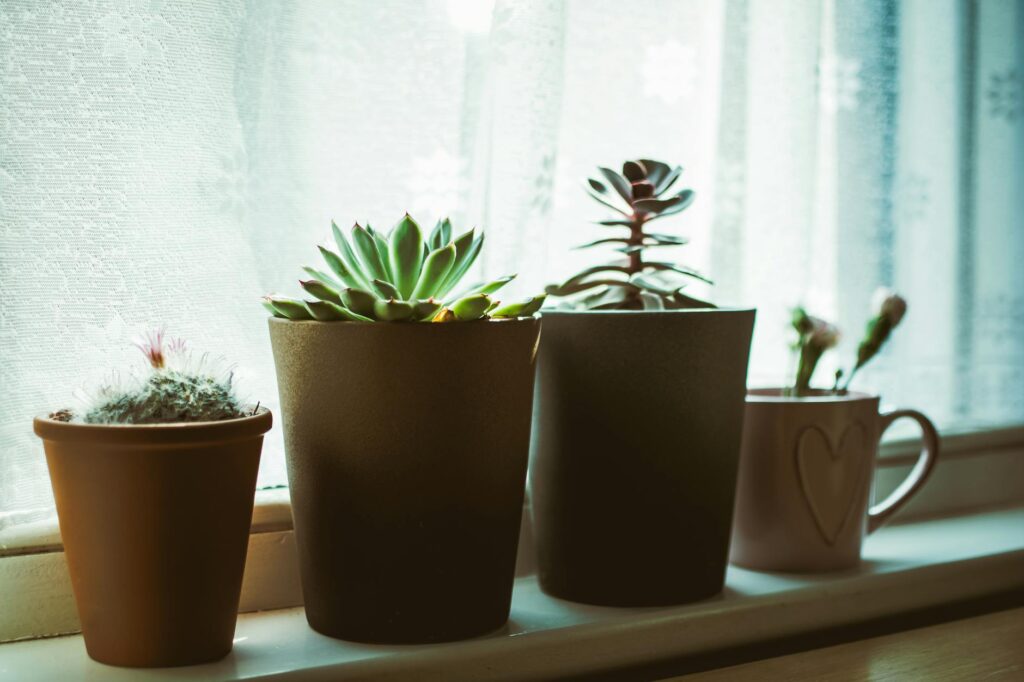
- N – Near-window light fit: Give 2 points if growth is compact and the plant type matches the window exposure. Give 0 if stems are stretching, leaves are smaller than before, or the plant sits deep in a room that does not match its light needs. Low light commonly produces spindly growth, while too much direct sun can bleach and crisp leaves. (extension.umd.edu)
- D – Drainage and root space: Give 2 points if water drains freely and the plant absorbs it evenly. Give 0 if water rushes straight through, roots circle the pot, or the plant sits in standing water. Pot-bound plants often dry unevenly, while poor drainage and chronic wetness raise the risk of root rot. (extension.umd.edu)
- O – Overfeeding and salt buildup: Give 2 points if you fertilize lightly and there is no crust on the soil or pot. Give 0 if you see white residue, browning leaf tips, or you have been feeding a stressed plant frequently. High soluble salts are linked to excessive fertilizer use and can damage roots. (extension.umd.edu)
- W – Wind and room conditions: Give 2 points if the plant is away from heating or AC blasts and the room stays fairly steady. Give 0 if it sits next to a vent, a drafty door, or hot glass. Extension guidance notes that temperature swings can cause foliage damage and leaf drop, and that most indoor environments are dry enough that many plants may benefit from added humidity nearby. (extension.umd.edu)
Decision rule: Never diagnose from leaf color alone. If the leaf, soil moisture, and root condition do not point to the same problem, inspect roots and review light before you buy anything. Wilting and yellowing can show up in both drought and overwatering situations. (extension.umd.edu)
Symptom map for small-space growers
Use the symptom as your starting point, not your conclusion. The most reliable read comes from the combination of leaf pattern, soil condition, and what you find at the roots.
| Early signal | Most likely issue | What to check first | Lowest-cost next move |
|---|---|---|---|
| Leaves limp and soil is wet | Overwatering or root rot stress | Smell the soil, check drainage holes, and inspect roots if possible | Pause watering, empty any cachepot or saucer, and repot only if roots are dark and soft. (extension.umd.edu) |
| Leaves limp and pot feels very light | Underwatering, hydrophobic mix, or a pot-bound root ball | Does water run straight through? Is the center of the root ball staying dry? | Soak the root ball thoroughly, then reassess root crowding and repot if roots circle the pot. (extension.umd.edu) |
| Long gaps between leaves and the plant leans toward the glass | Too little light | Window direction, hours of light, and distance from the window | Move closer to brighter natural light or add a grow light rather than more fertilizer. (extension.umd.edu) |
| Pale, bleached, or brittle patches on the window side | Sun scorch or excess light | Was the plant moved into direct sun recently? | Pull it back from hot direct sun and re-acclimate gradually. (extension.umd.edu) |
| Brown tips or edges with white crust on soil or pot | Fertilizer salt buildup, dry air, or inconsistent watering | Look for residue on the mix or pot rim and review feeding history | Leach the pot with clear water or repot in fresh mix, and do not increase fertilizer. (extension.umd.edu) |
| Tiny pale speckles, graying leaves, or fine webbing | Spider mites | Check leaf undersides with bright light | Isolate the plant, rinse foliage, and use an indoor-labeled control only if needed. (extension.umd.edu) |
| Sticky leaves, black sooty film, or cottony white clusters | Scale, whiteflies, or mealybugs | Look at stems, leaf veins, and undersides | Quarantine first, physically remove what you can, and discard badly infested plants if control is likely to cost more than the plant is worth. (extension.umd.edu) |
| Small black flies around moist soil | Consistently wet mix and fungus gnats | How long is the soil staying damp? | Let the mix dry appropriately between waterings and refresh old soggy media if needed. (extension.umd.edu) |

A 10-minute health check you can actually keep up
- Look from above, then from below. Check the newest leaves first, then the leaf undersides and stem joints for webbing, scale, whiteflies, or cottony mealybugs. (extension.umd.edu)
- Press a finger into the soil to about 2 inches when the pot size allows. Then lift the pot. Moisture plus weight gives a better answer than surface color alone. (extension.umd.edu)
- Empty decorative cachepots and saucers before you finish the check. Plants left sitting in water are much more likely to struggle. (hgic.clemson.edu)
- Stand where the plant lives and judge the light honestly. A bright room is not the same as bright light at leaf level. If the plant is several feet back from the window, treat that as less light than you think. The brightest indoor light is usually near a south-facing window. (extension.umd.edu)
- Feel the room conditions. If leaves sit in direct AC, radiator heat, or cold night glass, score that as stress even if the plant otherwise looks decent. (extension.umd.edu)
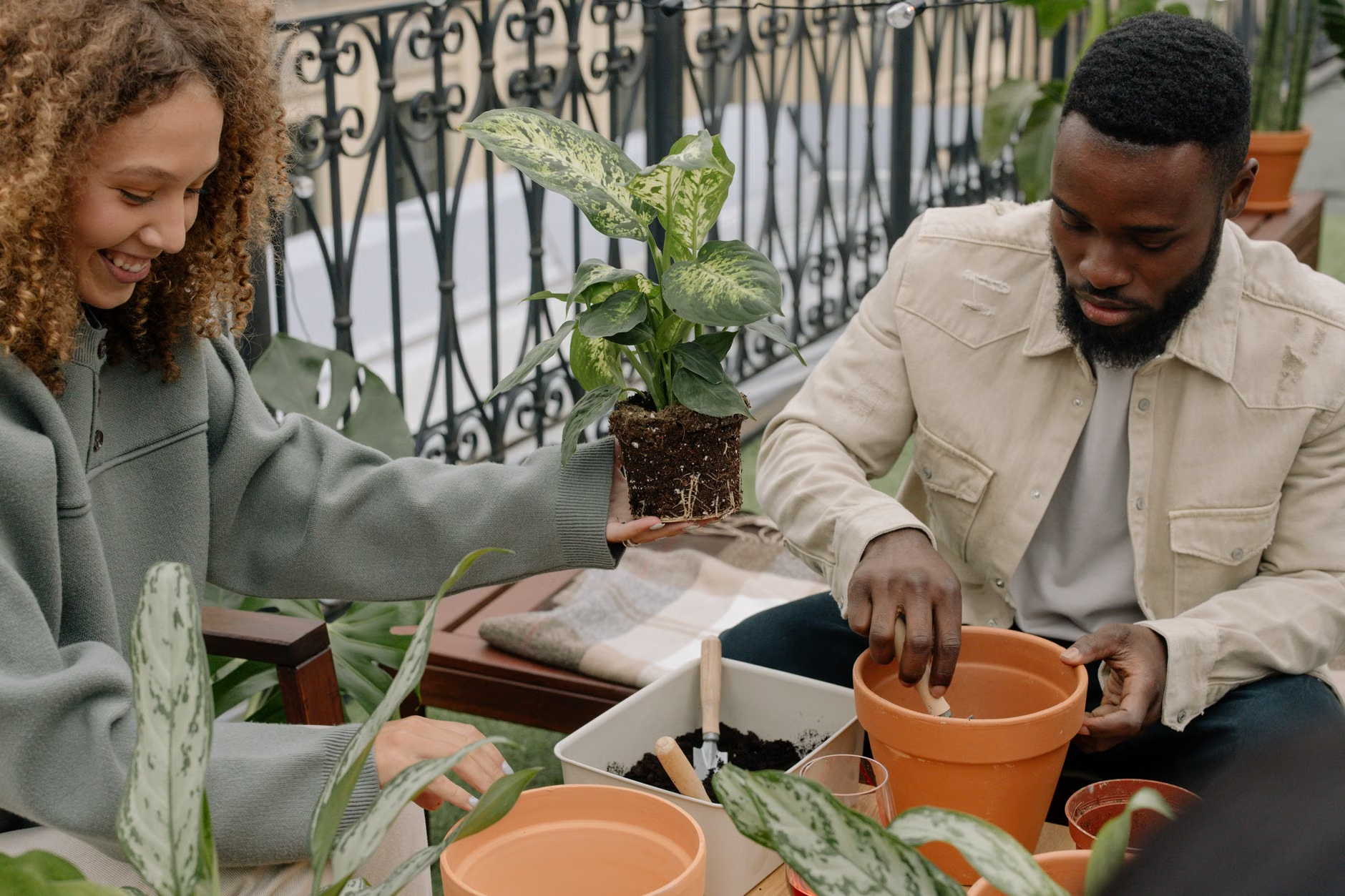
- If watering has become strange, slide the root ball partway out of the pot. Circling roots, a solid root mass, or water racing through the container are classic signs that the plant needs more root space or fresher mix. (extension.umd.edu)
- Review the last month. If you have recently fertilized more often, moved the plant, or sprayed it, write that down before you make another change. Salt buildup and spray injury can look like general decline. (extension.umd.edu)
- Make one change and wait. Move the plant, adjust watering, repot, or isolate for pests, but do not do all four on the same day unless the roots are clearly rotting. Watch the next 7 to 14 days for stability in new growth and symptom progression. (extension.umd.edu)
A realistic apartment example with numbers
Composite scenario: A renter in a 700-square-foot apartment keeps five common houseplants near one east-facing window. Over six months, she replaces a pothos for $24 and a nerve plant for $18, buys a $13 fertilizer, a $15 houseplant spray, and $8 gnat traps. Total: $78. The plants still look worse.
A WINDOW-12 check changes the diagnosis. The pothos scores 5 out of 12 because water runs straight through a tight root ball. The nerve plant scores 6 because it sits eight feet from the window beside an AC vent. The snake plant scores 10 and needs almost nothing. The actual fix list is smaller and cheaper: $9 for fresh soilless mix, $4 for a plain nursery pot with drainage, $0 to move two plants closer to light, and $0 to stop fertilizing for a month. Total recovery cost: $13. The money saver is not a miracle product. It is better triage. (extension.umd.edu)
Common mistakes that waste time and money
- Watering every Sunday. University of Maryland Extension specifically advises against a schedule because plant needs change with pot size, season, humidity, and growth rate. (extension.umd.edu)
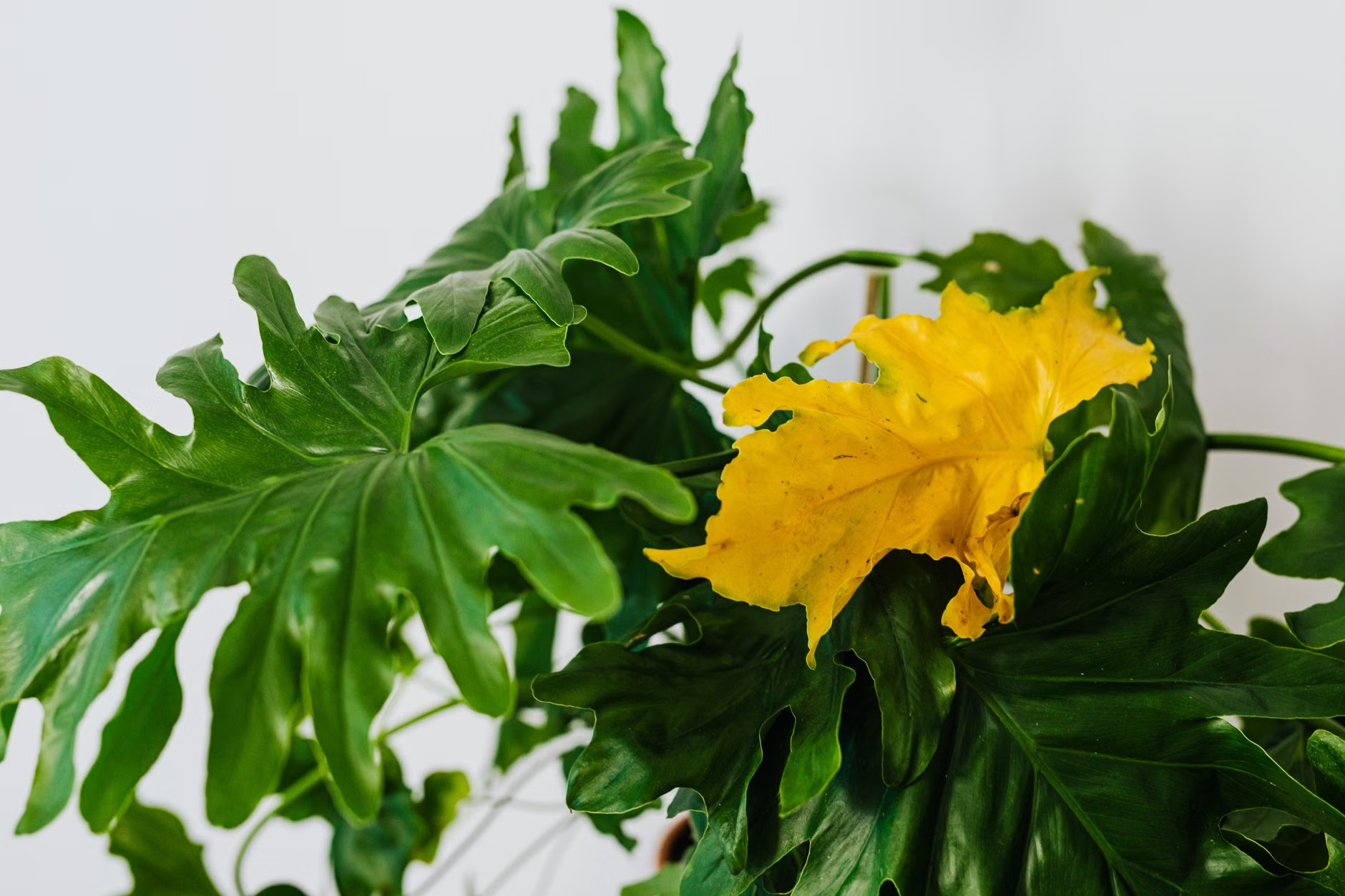
- Treating yellow leaves as proof of thirst. Yellowing is often one of the first stress signals and is commonly tied to overwatering, low light, pests, or root trouble. (extension.umd.edu)
- Fertilizing a plant that is already stressed. Excess fertilizer raises soluble salts and can worsen brown tips, root damage, and wilting. (extension.umd.edu)
- Trusting the top surface of the soil in a plastic pot. University of Maryland Extension notes that plastic pots often dry from the top down, so the surface can mislead you. (extension.umd.edu)
- Repotting with gravel in the bottom instead of using a proper drainage hole and airy mix. University of Maryland Extension says not to fill the pot bottom with gravel. (extension.umd.edu)
- Spraying alcohol, soap, or oil over the whole plant without a test spot. Colorado State University Extension warns these treatments can burn leaves on some plants. (extension.colostate.edu)
- Buying a humidifier before moving the plant away from the vent or into better light. Humidity matters, but light and watering problems usually deserve to be ruled out first. (extension.umd.edu)
When the first fix is not enough
Some plants are not in mild decline. If most roots are dark, soft, and dead, if the crown is blackening, or if a pest infestation is heavy and spreading, recovery may not be the best use of your time or money. University guidance repeatedly notes that severely damaged or heavily infested plants may be better discarded, while healthy cuttings can still sometimes be saved. (extension.umd.edu)
The other limit is the apartment itself. If your only available location is several feet from a weak window, a plant that wants high light will keep failing no matter how carefully you water. In that case, the backup plan is to change the environment with a grow light or switch to a plant that actually fits low or medium indoor light. (extension.umd.edu)
Backup moves that protect the rest of your plant shelf
- Take cuttings from healthy stems if root rot has taken most of the root system but part of the top growth is still clean. University of Maryland and Clemson both note that healthy sections can sometimes be rerooted while rotten material should be removed. (extension.umd.edu)
- Quarantine any plant with sticky residue, cottony masses, webbing, or flying white pests before you start treatment. (extension.umd.edu)
- Use artificial light if the plant is otherwise a good fit for your home and you want to keep it. Extension guidance is clear that artificial lighting can supplement natural light for indoor plants. (extension.umd.edu)
- If the plant is cheap, heavily infested, and sitting beside healthier plants, replacing it may be the lower-cost decision. That is not failure. It is risk control. (extension.umd.edu)
How to pressure-test your diagnosis
Treat your first diagnosis as a working theory, not a verdict. Take one photo today, one in 7 days, and one in 14 days from the same angle. Write down pot weight, soil feel, the date you watered, and how far the plant is from the window. University of Maryland Extension specifically notes that symptom pattern and progression help diagnose indoor plant problems, and the pot-weight method is one of the easiest ways to verify whether your watering guess was right. (extension.umd.edu)
- Re-score the WINDOW-12 total once a week.
- Look at new growth, not just damaged old leaves.
- Do not add fertilizer during the test period unless the plant is clearly growing and stable.
- If the score improves but the plant still looks rough, give it more time before making a second big change.
If you use any pesticide or soap indoors, read the label for indoor use, keep the plant out of direct sun while drying, and test one small area first. Not every houseplant tolerates the same treatment. (extension.colostate.edu)
Bottom line
The fastest way to lose an apartment plant is to react to the leaf and ignore the setup. Check moisture, light, drainage, root space, salts, and pests first. In many cases, the plant tells you what is wrong before leaves start dying; you just need a repeatable way to read it. Start with WINDOW-12, change one variable at a time, and let the next week of growth help confirm whether you were right. (extension.umd.edu)
FAQ
How often should I run a plant health check in an apartment?
Once a week is enough for most apartment plants, with a faster check any time you notice stretching, sticky residue, pale new growth, or odd watering behavior. Weekly works because moisture, pests, and light problems usually show up as a pattern before they become a collapse. (extension.umd.edu)
Should I remove yellow leaves right away?
Remove fully dead tissue for cleanliness, but use the leaf as evidence before you prune aggressively. Yellowing is often one of the first stress signals, so the more important job is figuring out whether the cause is watering, light, pests, salts, or root stress. (extension.umd.edu)
Do I need a moisture meter?
Not usually. University of Maryland Extension recommends the simpler combination of a finger test and pot-weight check for most indoor plants, with the reminder that succulents and cacti need much less water than many foliage plants. (extension.umd.edu)
When is repotting the right answer?
Repot when roots circle the pot, water races straight through, or the root ball stays dry in the middle even after watering. Those are classic pot-bound signs. Use a container with drainage and an airy indoor potting mix, not gravel at the bottom. (extension.umd.edu)
What if my apartment is just too dark?
Then the cheapest honest answer may be a grow light or a different plant. Low light causes lanky growth and poor performance, and some plants simply will not stay healthy far from usable light. Matching the plant to the available window is usually easier than fighting the room forever. (extension.umd.edu)
When is it smarter to replace a plant than keep treating it?
If the plant is heavily infested, badly rotted, or likely to spread problems to healthier plants, replacement can be the better call. Extension sources note that severely damaged plants are sometimes best discarded, especially when healthy tissue is limited. (extension.umd.edu)
References
- University of Maryland Extension – Watering Indoor Plants – https://www.extension.umd.edu/resource/watering-indoor-plants
- University of Maryland Extension – Lighting for Indoor Plants – https://www.extension.umd.edu/resource/lighting-indoor-plants
- University of Maryland Extension – Temperature and Humidity for Indoor Plants – https://extension.umd.edu/resource/temperature-and-humidity-indoor-plants
- University of Maryland Extension – Potting and Repotting Indoor Plants – https://www.extension.umd.edu/resource/potting-and-repotting-indoor-plants
- University of Maryland Extension – Diagnose Indoor Plant Problems – https://extension.umd.edu/resource/diagnose-indoor-plant-problems/
- University of Maryland Extension – Yellowing Leaves on Indoor Plants – https://extension.umd.edu/resource/yellowing-leaves-indoor-plants
- University of Maryland Extension – Low Light Impacts on Indoor Plants – https://extension.umd.edu/resource/low-light-impacts-indoor-plants/
- University of Maryland Extension – Excess Light on Indoor Plants – https://extension.umd.edu/resource/excess-light-indoor-plants/
- University of Maryland Extension – Pot-Bound Indoor Plants – https://extension.umd.edu/resource/pot-bound-indoor-plants
- University of Maryland Extension – Fertilizer Toxicity or High Soluble Salts in Indoor Plants – https://extension.umd.edu/resource/fertilizer-toxicity-or-high-soluble-salts-indoor-plants/
- University of Maryland Extension – Mealybugs on Indoor Plants – https://extension.umd.edu/resource/mealybugs-indoor-plants/
- University of Maryland Extension – Scale Insects on Indoor Plants – https://www.extension.umd.edu/resource/scale-insects-indoor-plants