Overwatering and underwatering can look surprisingly similar (yes, even wilting). This guide shows you the fastest ways to diagnose the real problem—by checking the soil, roots, and leaf texture—then walks you through a救
Overwatered or under-watered? The classic case for wilting: “It needs water!” Or does it? It can sometimes be a guessing game. Overwatering gives similar wilting symptoms as under-watering, so the trick is confirming the state of the root zone before changing anything.
TL;DR
- Wilting can mean too much watering or not enough – don’t “just water it” until you check out the soil.
- Overwatering usually looks like limp yellowing leaves (especially the lower/inner leaves of your plant), sodden soil, and sometimes fungus gnats or a sour smell.
- Underwatering usually looks like dry soil that comes away from the pot, crispy/brittle leaves, and browning starts at the tips/edges.
- Breaking down the symptoms here is the fastest way to diagnose: feel the soil several inches down (or stick a chopstick or dowel in there), lift the pot to figure out how heavy it is, and inspect roots if symptoms persist.
- Restoring oxygen to the roots of an over-watered plant is the goal (dry-out soil + drainage changes; repot if the roots are all mushy), and a plant suffering from lack-of-water goals is slowly rehydrating the root ball and figuring out a better method of irrigation.
Have you ever walked in your room, glanced at the droopy plant on the table, and thought to yourself, “The poor thing looks thirsty”? Wearing the “plant parent” hat, it gets dicier. An over-watered plant often droops because damaged roots cannot conduct water to the leaves. The end goal is not guesswork, but confirmation of what is going on in the root zone (that’s your actual zone, so to speak). That’s how you stay in the clear zone.
Oh, the irony of all those sad drooping houseplants we have come across over the years. The term wilting is synonymous with a state of being thirsty. Many times it is used in context where, wilting could also mean over-watered. Guess what, we all want to rescue it by watering it, but do we really know what state of mind it actually is in?
Why Over-watered and Under-watered look alike.
Plants do not drink like us. Water must first be absorbed by healthy roots and also, roots need oxygen. When too much water is present in the soil, oxygen is excluded, delicate roots will be destroyed and wilting occurs (even if the soil is wet).Conversely, get too dry (especially in containers), and the root ball shrinks and pulls away from the pot so that the water runs down the sides and hardly gets to the roots. (extension.umd.edu)
Diagnosis rule: Always check the soil and roots prior to changing your watering routine. Leaf symptoms alone are not enough.
60-second diagnosis: a quick decision process
- Check the soil 2–3 inches down (not just surface). Use a finger in small pots; for bigger pots a wooden dowel/chopstick, and pull it out to see if damp mix sticks to it. (extension.umd.edu)
- Lift the pot. Just-watered pots feel weigh noticeably more than before; those that are chronically overwatered will remain heavy days.
- Consider the texture of the leaves. Limp + yellow typically indicates too much moisture, crispy + dry typically indicates drought stress. (Confirm with the soil test)
- Check for red flags relating to drainage: no drainage hole, spongy/ compacted potting mix, pot sitting in full saucer, decorative cachepot collecting water.
- Do not ignore symptoms persisting for more than say ~7-10 days. Check the roots (especially if they keep wilting while the mix is wet). Healthy roots generally feel firm, while rotting roots tend to be dark and feel mushy. (extension.umd.edu)
Overwatering: symptoms you can actually trust
Overwatering has less to do with “too much water at once” and more to do with “roots left wet too long”. In containers this relates back to poor drainage, compacted potting mix, or watering again before the root zone has dried to the plants liking.Overwatering symptoms:
- Soil is wet for days; the pot is heavy long after watering.
- Wilting/drooping – even though mix is wet (often misidentified as thirst). (extension.umd.edu)
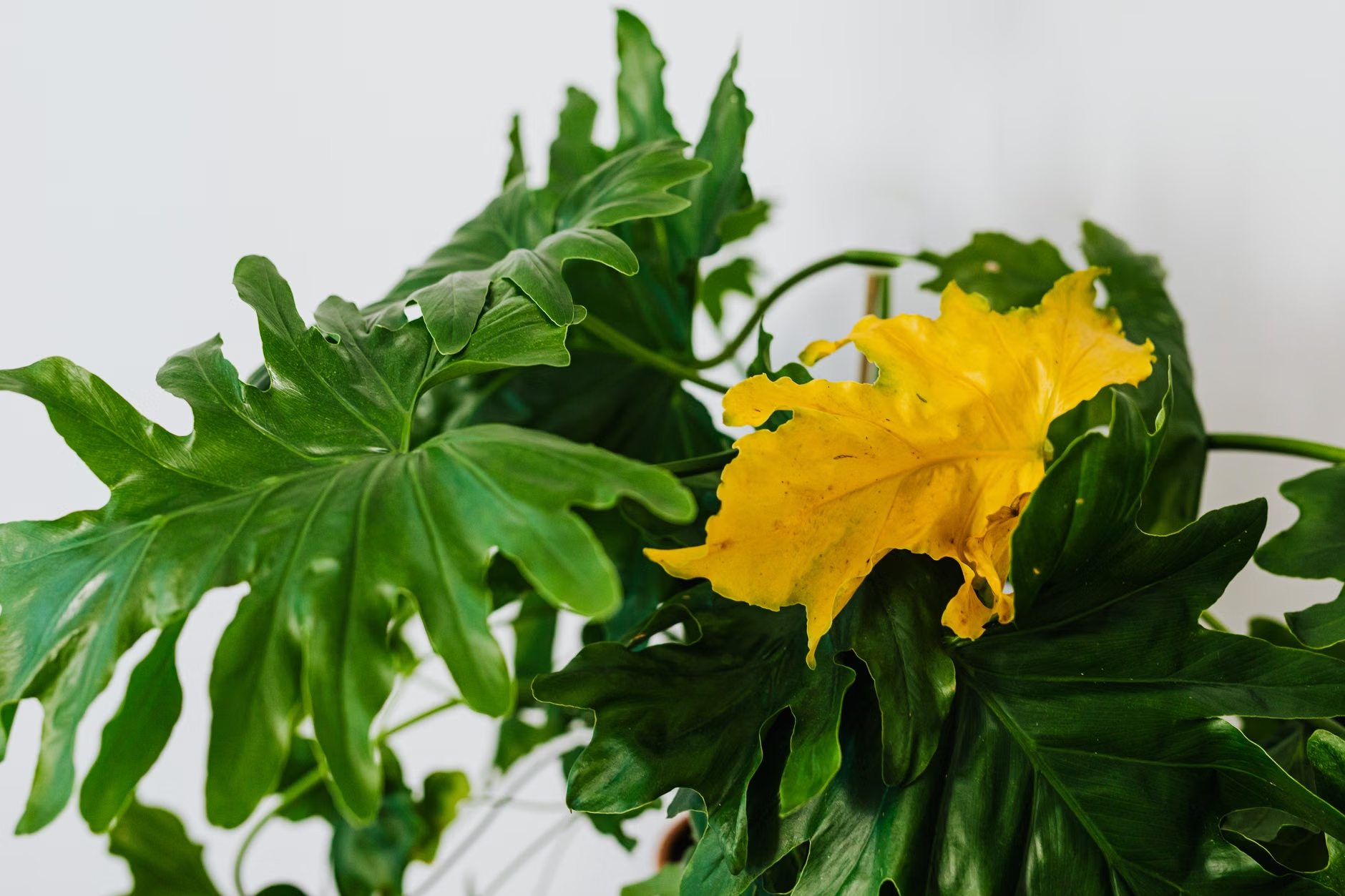
- Yellowing of lower, inner leaves; leaf drops or turns crinkly and dry (if it continues usually progresses to scorch and dieback). (extension.umd.edu)
- Moldy patches on the mix surface, stems, leaves, or flowers; smells musty. (rhs.org.uk)
- Fungus gnats hovering around the pot (they love a perpetually damp organic mix).
- brown/black roots, mushy or soft. (Often combination leads to, or has a sour, rotting smell). (extension.umd.edu)
- A sudden “whole plant collapse ” immediately after a watering (common in cool/low-light periods when the plant is taking that water less than actively, and the mix can dry less quickly). (rhs.org.uk)
The key clue of wilting a plant with wet soil – assume it’s an oxygen problem to the roots until you prove yourself wrong—that watering again, only makes it worse!
Underwatering: symptoms (and the “fake watering” problem)
Two ways it can happen; you are indeed not watering it enough in the first place and/or you are watering but not actually getting it to where it always transpires, i.e. the root ball itself (because all the water is running down the edges of the pot, or it drains out too quickly). Symptoms of underwatering:
- Soil is dry 4-6 inches down at least; in extreme cases hard/compacted.
- Potting mix pulling away from inside rim of pot (indication, amongst others, of a smaller rootball). (extension.umd.edu)
- Leaves look dull, or curled, or crisp, and tips/edges brown and often papery.
- On a dry plant, the older/lower leaves yellow first then drop off.
- Plant perks up noticeably within hours of a good soaking, unless it’s already in trouble!
- Slower growth with new leaves noticeably smaller (long-term underwatering).
Underwatering vs overwatering: side by side
| What you see comes up, | Over watering is more likely if… | Under watering is more likely if… |
|---|---|---|
| Soil feel (2-3inches) down | Poorly draining top 2-3inches of soil; damp to wet in there for days | Dry, or barely moist; if soiled, dry at least inch deeper |
| Pot weight | Medium-high line stays higher than usual when freshly watered | “Forgetting” it is noticeably light; pot dries out fast |
| Leaf texture | “Soft through process of heavy/frequent watering”; limp yellowing; fat soft stems | Yellowish red; brittle; curling; turns a dry brown rather than green when “burnt” |
| Wilting | “When the pot is heavy, wilts IF already in trouble” | Even when the soil is visibly dry, wilts; wilting ends after thoroughly watering |
| Root check (if you un-‘potted it’) | If you root check, water soluble fertiliser nutrients purple out; dark mushy, rotting “smell” | If you root check, dries, but almost no water soluble nutrients; ball may be much worse than smelly; fine roots more likely to shrivel |
| Common cause | Not able to drain properly; Loffful on saucer; mix compacted; pot size too generous | All/any of; spread/quick root; firm; miss a couple of pays and it looks trashed. |
How to fix an overwatered plant (step by step rescue)
Preliminary: get more oxygen back to the root zone, cease ongoing root death (and worse). Too much water reduces the oxygen level and damages the silky delicate root hairs, which are therefore unable to take up water. [extension.umd.edu]
- Confirm the mix is actually wet below the surface (don’t rely on how the top looks).
- Empty drainage saucers/cachepots. Never let a plant sit in water for long periods unless it’s a true bog plant.
- Increase drying conditions for a few days: brighter (indirect) light, warmer temps, and gentle airflow. No blasting with heat—stress + wet roots is not a healthy combo.
- Mild overwatered plant (no smell, no mushy stems, roots seem ok): let it dry to the plant’s preferred level (if it needs a little dryness in general) before watering again. Stop watering so regularly, start checking moisture, not the calendar.
- Think your plant might be in trouble due to root rot? (Wilting while it’s wet, sour smell in the mix, black/mushy roots): unpot it and look. Root rot can cause yellowing, browning and dieback or wilting, even if the moisture level of the media seems ok, and is bad news for houseplants in general.
- Trim the rotten roots (if they’re firm) with clean scissors (or clean snips), discard any severely rotted portions, sanitize tools afterward.
- Repot into a pot with a drainage hole in fresh, well draining potting mix. Please don’t try to use your regular garden soil in the house.
- After repotting, water lightly (or not at all if the new mix is a little bit moist—it might need that layer of light moisture to dry out at the top or it won’t go anywhere), and then: don’t water until it gets dry enough per how the mix used to look.
- Watch out for fungus gnats and other like pests to those who like wet mix, and deal with moisture first; pest control will not stick nicely or very long if the soil stays soggy. When you rescue a plant and it does not work out: “save” it by taking some cuttings and figuring out what to do from there (if it’s the kind of plant that allows such).
Common overwatering mistakes (and what to do instead)
- Mistake: watering on a fixed schedule. Fix: water when needed—based on soil moisture and season. (extension.umd.edu)
- Mistake: “A bigger pot is better.” Fix: oversized pots dry slowly; size up gradually so roots can use the moisture.
- Mistake: assuming droop = thirst. Fix: always check below the surface first.
- Mistake: leaving water in saucers. Fix: pour it off to reduce moisture problems and indoor pests. (extension.umd.edu)
How to fix an underwatered plant (without shocking it)
Goal: instead of just watering the top of the root ball, make sure you rehydrate the whole thing and then change what you do and how you do it so that the water you give always actually gets to the roots…
- Confirm really is dry below the soil surface (finger test or something like a dowel, test via rhs.org.uk) IM: advanced understanding of how to know if your plant really is dry where it counts.
- Water thoroughly (to runoff) so the whole root zone has chance at moisture, not just the surface; then dump the saucer. (extension.umd.edu)
- If the mix has pulled away from the pot: rehydrate in stages. Water, then wait 10-15 minutes, water again so that the water can be infused into the medium within the pot. Severely dried media may take several applications to get moisture in; (extension.umd.edu).
- Optional if the pot is really dry: bottom-water the whole pot. That is, put the plant into a) s-bowl/tray of water, and let the root ball again wick up moisture from below. Then drain it well.
- Strip fully dead desiccated leaves. Remove anything that has a bit of green to it too–plants often reuse those leaves as they recover.
- If you have done this, for the next 1/2 a week or so keep the plant in stable conditions i.e. stable conditions, bright indirect light, no fertiliser, no repotting tiny pots often dry out much faster, especially if they’re growing nearer the windows or heating vent.
- Consider mix: very chunky mixes will dry out fast; very peaty mixes could be water-repellent when bone-dry (and then need “staged” rehydration in several pots).
- Consider location: heat vent or strong afternoon sun can dial your plants’ water use dramatically up. So do fans.
- Consider crowding the roots: if you plant too tightly, plants dry out quickly. Consider potting on one size (with drainage) during active growth.
Preventing Plant Problems
Prevention: build a watering routine that’s hard to mess up
- Watch for a plant “check before watering” trigger: finger or dowel test, or even just lifting the pot to get a good idea of how it feels and compares to “just watered.” (extension.umd.edu)
- Match the plant to the container: drainage holes are important for most houseplants; don’t use decorative cachepots that you’re sure hold water in their bottoms (unless you want that, then you need to figure out how to get your inner pot inside to drain it)!
- Pick a mix that suits the plant type—it might matter more than you realize. Take care, succulents/cacti want fast draining mixes, whereas many tropical foliage plants “don’t want to be waterlogged, but constantly moist.” (rhs.org.uk)
- Change seasonally: the same watering routine may work at a time of plenty, but LED winter growing lights artificial or natural are on shorter days and cool themselves later in the season, and your plants are going to use less water, so that same routine may turn into overwatering. The same holds true if you need to “face plant strike a little deep for now,” but indoors, you have too many to pull out before watering.
- Group plants from around to water needs (especially outdoors), so you don’t get all over the place from over-watering one, just because the other needs it.
- Root condition is your tell. Inspect, don’t guess. (rhs.org.uk)
Special cases that confuse people (a lot)
1) Wilting in wet soil.
It’s a typical sign that something is wrong with the roots, generally due to excess moisture.Weeks of waterlogged soil cause wilting, which can persist, even when the potting mix moisture returns to normal. ( ####3)
Yellow leaves
Yellow leaves have a variety of causes, but with watering, look at the pattern. Too much moisture often presents as yellowing/wilting of lower and inner leaves. Too little moisture often shows with yellowing of older lower leaves and drops. ( ####4)
Outdoor water logging (ground plants)
In the ground, symptoms of water logging can appear like drought: withearing, yellow leaves: shoots die back—because they’ve run out of oxygen, and the roots can’t cope. The roots may have a dark/black appearance and a sour smell with prolonged saturation. ( ####5)
How long recovery usually takes (realistic expectations)
Mildly underwatered: a good drink and recovery can happen the same day (may not ‘uncrisp’ the leaves, but new growth with most plants is a better indicator).
Mildly overwatered, with no rot: a few days to recover as oxygen returns to the roots and the potting mix begins to lose moisture.
Cases of root rot: Not days. Weeks. Having no decline after you fix drainage and rot, and healthy new growth indicates you’re doing it right.
Those ‘damaged’ leaves may not ‘heal’—it’s judged on new growth & stability once the issues are addressed.
If this plant of yours got “put off” somehow and you can’t quite place why, try taking a picture of it in natural light that shows the whole thing, then some close-ups of leaves and maybe a close of the roots at the bottom if it is not yet potted. If I have that trio I am usually able to spot whether I am suffering from moisture, light pest or disease.
FAQ
Q: My plant is wilting and I want to ’water it?’ Should I?
A: Only if you check how moist the soil is couple-two-three inches down: wilting means drought stress and too much moisture or root damage at the same time, and if it happens to be the second condition, “watering” is only going to make an over-watering problem more “over.”
Q: What is the fastest way to tell over from under, sans cool tools?
A: Check the soil moisture below the surface, then heft the pot: dry + light = under, wet + heavy (especially for days) = over.
Q: My soil is dry at the surface, but not below. Should I ‘water’ it?
A: The first question you asked just there tells me almost enough, usually no. Plenty of plants can get away with having dry-ish topsoil especially and still have a moist root zone. If observation has not seasoned you, maybe check deeper or use a dowel, but don’t water if not even the root zone has dried to her satisfaction yet.
Q: Do I have to re-pot all of those beasts I ruined with unfixed over-watering?
TIP: Not necessarily. If you can tear into the roots and they are not mushy nor falling apart in your hands, and no rot smells, you are usually good to recuperate just by letting the mix dry and fixing your drainage habit. You re-pot new, when the mix is practically primal-soup and/or you suspect rot, or when the pot is truly crowding the plant, or has too terrible drainage.
Q: Is it true that my potting mix acts like a damned sponge when I forget to water it for a little while? My plants start to die that way!
A: Well, some mixes evidently tresspass in the “definitely” department: fair to coppers that they “compact” when dry to a degree such that it becomes very difficult to re-wet them, watering attempts will run down out the side of the pot and it will not penetrate. Start “rehydrating” her with staged watering, or bottom-water until adjusted that she will not dry to that extent again.
- University of Maryland Extension: Overwatered Indoor Plants — __URL__ 26
- University of Maryland Extension: Winter Indoor Plant Problems (Root Rots) — __URL__ 27
- Utah State University Extension: Overwatering (IPM) — __URL__ 28
- Royal Horticultural Society (RHS): How to Help a Poorly Houseplant — __URL__ 29
- RHS Advice: Leaf Damage on Houseplants — __URL__ 30
- RHS Advice: Waterlogging and Flooding Solutions — __URL__ 31
- University of Georgia Extension (Camden ANR): Overwatering—The Signs and Symptoms — __URL__ 32