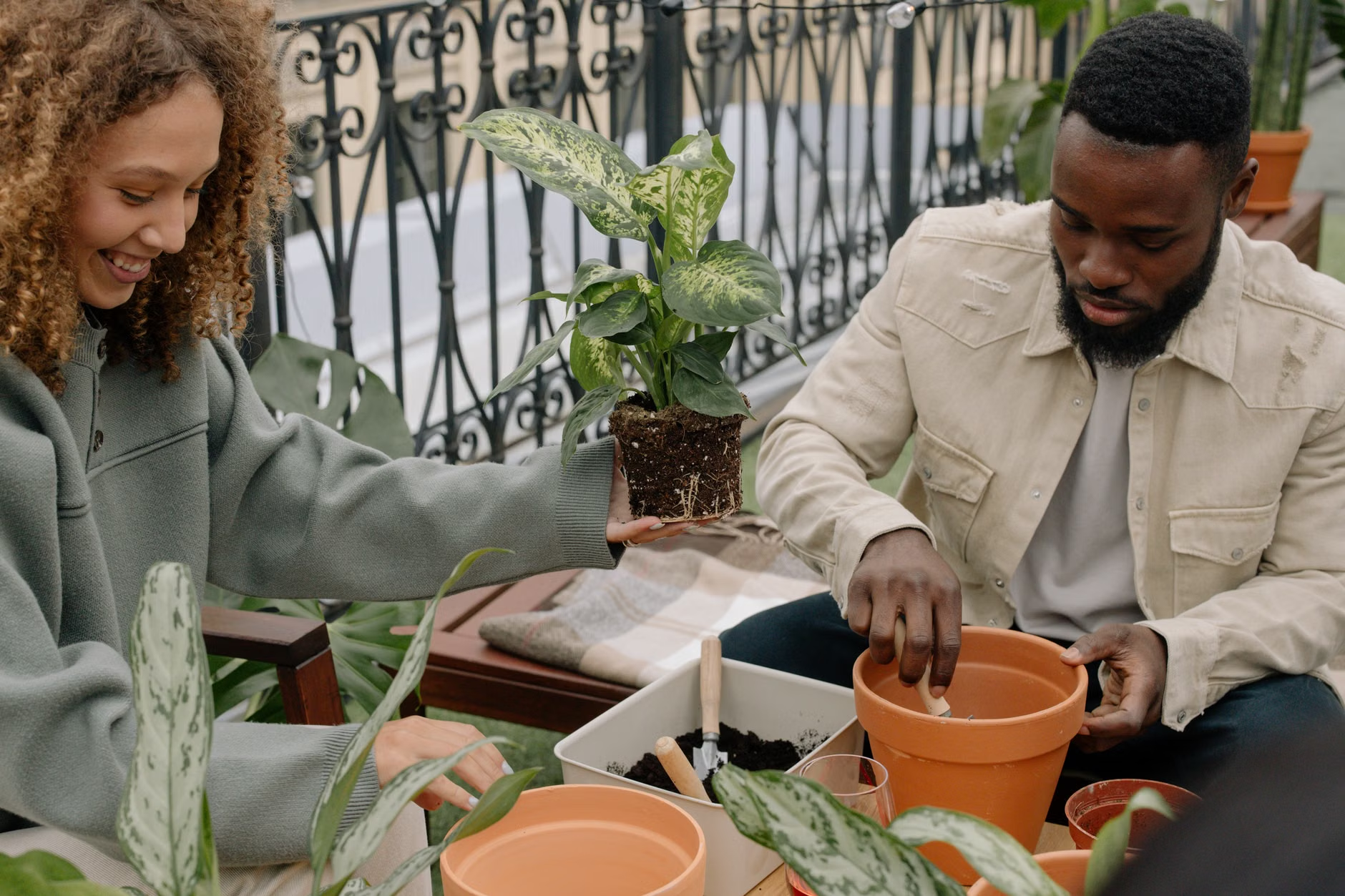
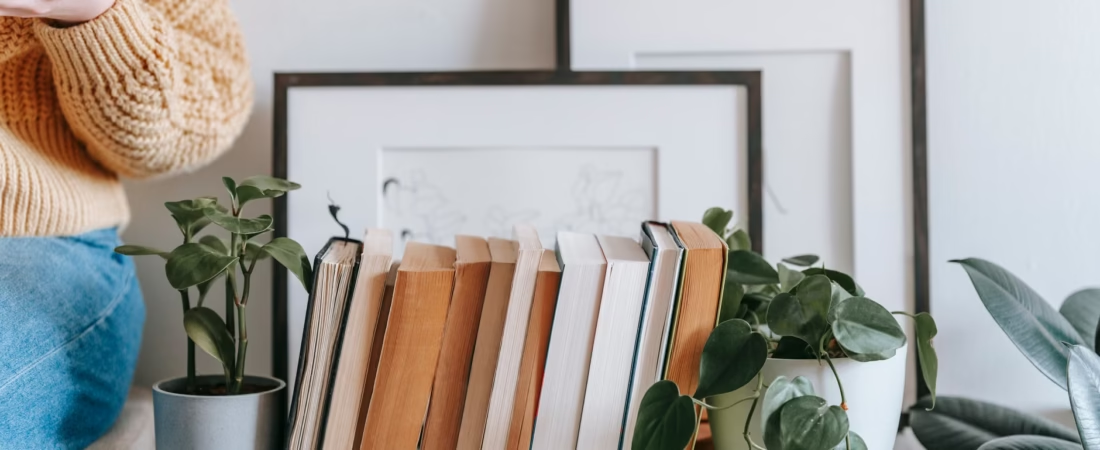
The easiest beginner plant collection is usually not the most varied one. It is the one where the plants agree on three basics: how much light they get, how dry they want the potting mix to become, and whether average household humidity is enough. A Boston fern wants bright indirect light, steady moisture, and higher humidity; an echeveria wants much brighter sun and drier soil; a ZZ plant tolerates much lower light and should dry thoroughly between waterings. Put those three on one apartment routine and at least one of them will struggle. (plants.ces.ncsu.edu)

Why mixed-care collections feel harder than they should
Most beginners do not fail because they own too many plants. They struggle because each plant is asking for a different environment. One plant wants the soil to stay lightly moist. Another wants the top half of the mix to dry. Another wants direct sun for several hours. Another is sold as low-light but still declines if it stays wet too long in a dim corner. When you combine plants with opposing needs, every basic task becomes confusing.
If one pot is dry, another may still be wet. If one window is perfect for a succulent, it may be too intense for a fern or prayer plant. Clemson Extension notes that houseplants vary widely in watering needs, and University of Minnesota Extension notes that lower-light plants use less water and grow more slowly. (hgic.clemson.edu)
Read the apartment before you read the plant tag
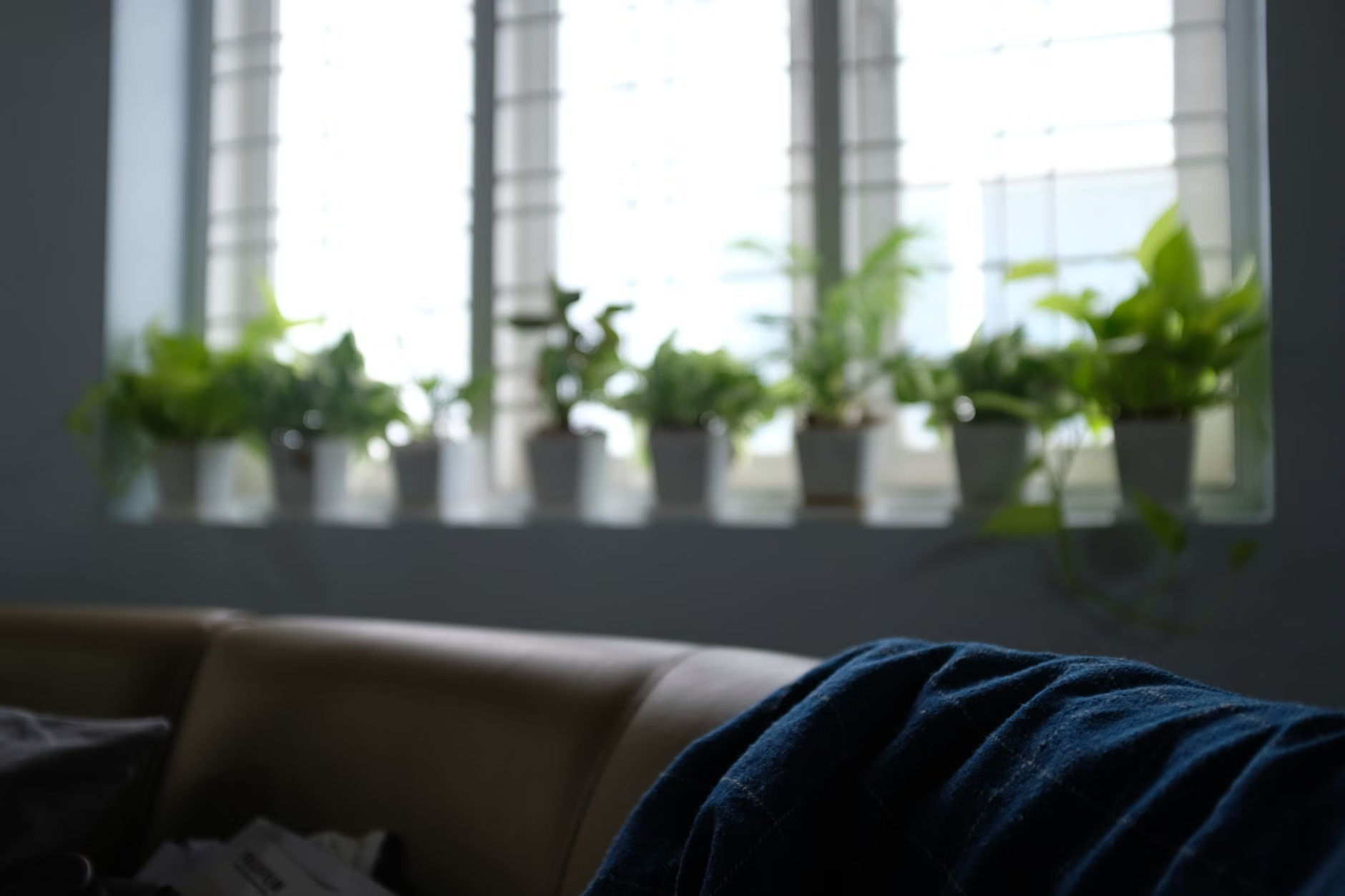
Apartment plant shopping should begin with your windows, not your wishlist. University of Minnesota Extension describes north windows or fairly dark corners as low light, east windows as a good fit for medium-light plants, and unobstructed south windows as the strongest natural light indoors. That matters because light changes everything else.
In lower light, potting mix stays damp longer and roots use water more slowly. In brighter exposures, plants dry faster and some species finally get the light they actually need. This is why a plant labeled easy in a greenhouse can become difficult in a dim living room: the care instructions were never meant for your exact room. (extension.umn.edu)
Use the Same-Lane Starter Method
A simple way to avoid a conflicted starter collection is to use one rule: every new plant should belong to the same care lane as the others. In practice, that means you ask three questions before buying it. Does it fit the same light zone? Does it want the soil to reach the same dryness checkpoint before watering? Does it tolerate the same humidity level?
If a plant mismatches on two of those three questions, it should not join the first round. That does not make it a bad plant. It just makes it a different project. This framework is an editorial shortcut built from the real differences extension sources describe between dry-side plants, moderate growers, and moisture-hungry plants. (extension.umn.edu)
| Lane | Works best in | Watering checkpoint | Strong starter plants | Usually skip at first |
|---|---|---|---|---|
| Low-light, dry-side lane | North window, dimmer room, or spots several feet back from the glass. Soil usually dries slowly here. (extension.umn.edu) | Water only after the mix has dried well. In lower light, plants use less water, so fixed schedules are risky. (hgic.clemson.edu) | Cast iron plant, ZZ plant, snake plant. (plants.ces.ncsu.edu) | Boston fern, prayer plant, and peacock plant, which want more consistent moisture or humidity. (plants.ces.ncsu.edu) |
| Bright-indirect, dry-between-waterings lane | East window, or a bright room near but not pressed against strong south or west glass. (extension.umn.edu) | Water thoroughly, then let the mix dry between waterings. (hgic.clemson.edu) | Pothos, Hoya carnosa, baby rubber plant. (hgic.clemson.edu) | Boston fern and other keep-it-moist plants. Also skip extra-variegated pothos in dim rooms because they need more light than greener forms. (plants.ces.ncsu.edu) |
| Medium-light, moderate-moisture lane | East-facing windows and bright indirect rooms with average household humidity. (extension.umn.edu) | Water when the top inch or two is dry or when the pot feels noticeably lighter. (hgic.clemson.edu) | Spider plant, parlor palm, Chinese evergreen. (plants.ces.ncsu.edu) | Echeveria and similar sun-loving succulents if the room is only medium light; they want much brighter conditions and drier soil. (plants.ces.ncsu.edu) |
| Moist-and-humid lane | Bright indirect light plus a naturally humid bathroom or kitchen, or a room with a humidifier. (plants.ces.ncsu.edu) | Keep the potting mix lightly moist and do not let it go fully dry. (plants.ces.ncsu.edu) | Boston fern, prayer plant, peacock plant. (plants.ces.ncsu.edu) | Dry-side plants such as ZZ, snake plant, and many hoyas, which may resent constant moisture. (plants.ces.ncsu.edu) |
For most apartment residents, the first or second lane is usually easier to stabilize than the moist-and-humid lane. That is not a universal law, just a practical recommendation. Average apartments often have ordinary indoor humidity, forced-air heating or cooling, and light that is bright but not greenhouse-bright. Dry-side and bright-indirect collections tend to tolerate those conditions better, while ferns and prayer-plant relatives are less forgiving when humidity drops or the soil swings too wet or too dry. (plants.ces.ncsu.edu)
A realistic apartment example
Imagine a one-bedroom apartment with a north-facing bedroom window, an east-facing kitchen window, and a living room that stays a bit dry because of HVAC. A conflicted beginner collection would be a Boston fern in the bedroom, an echeveria on a side table away from the window, and a snake plant watered at the same time as a pothos every Saturday.
A smarter first collection would follow the apartment instead: a cast iron plant or ZZ in the dimmer bedroom zone, a parlor palm and spider plant near the east window, and a baby rubber plant or Hoya in the brightest indirect spot. Save the fern for a bright bathroom or a humidity setup, and save the echeveria for a truly sunny window or supplemental light. (plants.ces.ncsu.edu)
Shopping rules that prevent conflict before it starts
- Choose a lane before you shop. If you cannot describe the light and watering rhythm of the shelf at home, wait to buy.
- Read beyond the common name. Cultivars can matter. Clemson notes that heavily variegated pothos types such as Marble Queen and Snow Queen need more light than greener forms. (hgic.clemson.edu)
- Buy plants in containers with drainage, or keep them in a nursery pot inside a decorative cachepot. Poor drainage raises the risk of root rot and fungus gnats. (extension.umn.edu)
- If you repot, move up only one pot size and skip the old gravel-at-the-bottom trick. Too much extra soil can stay wet too long, and Maryland Extension specifically says not to fill the bottom with gravel. (extension.umn.edu)
- Use a porous soilless mix, not dense bagged potting soil sold for general use. Maryland Extension warns that products labeled potting soil are often too dense for good aeration. (extension.umd.edu)
- Inspect new plants before they enter the apartment. University of Minnesota Extension recommends checking tops and undersides of leaves, the container, and the potting surface, and notes that a magnifying lens can help spot small pests. (extension.umn.edu)
Common mistakes that make plants seem harder than they are
- Watering by calendar. University of Maryland Extension explicitly warns that many people assume once a week is correct, when accurate moisture monitoring is what actually matters. (extension.umd.edu)
- Treating every low-light plant as if it wants the same amount of water. Low light changes drying speed, not just placement. Plants in dimmer conditions usually use water more slowly. (extension.umn.edu)
- Buying a humidity-loving plant because it looked full and lush at the store, then placing it near heating or air-conditioning vents. Boston fern and prayer-plant relatives are much less tolerant of that setup. (plants.ces.ncsu.edu)
- Choosing white or highly variegated pothos for a dim apartment shelf. Greener pothos tolerate lower light better, while Marble Queen, Snow Queen, and similar forms need more light to hold their color well. (hgic.clemson.edu)
- Using dense soil or oversized pots to make plant care feel more permanent. Both choices can keep roots wetter for longer than the plant can handle. (extension.umd.edu)
- Forgetting that pet safety is a separate filter. A plant can be easy to grow and still be the wrong choice for a home with curious cats or dogs. (aspca.org)
How to verify that your collection is actually matched
- Right after watering, lift each pot and notice its weight. Maryland Extension recommends learning the heavy, just-watered feel and comparing it as the mix dries. (extension.umd.edu)
- Before every watering, check the soil with your finger or a thin stick. Clemson and Maryland both recommend direct moisture checking rather than guessing. (hgic.clemson.edu)
- Watch the pace of drying. If a supposedly dry-side plant still feels wet for a long time in a dim room, the issue may be light level, pot size, or potting mix rather than thirst. This is a reasonable inference based on how lower light reduces water use and how oversized pots hold more wet soil. (extension.umn.edu)
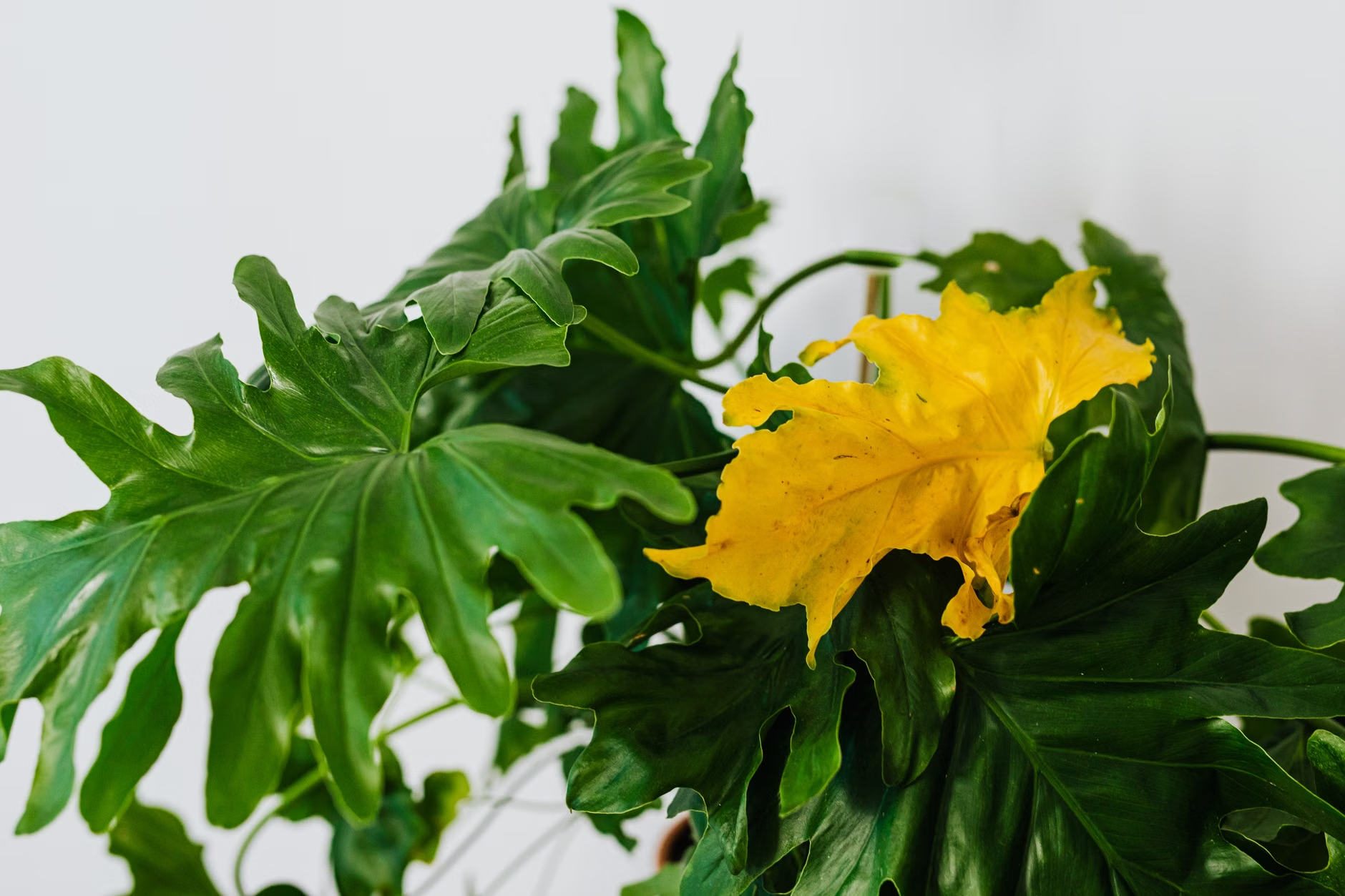
- If a plant is yellowing and wilting while the mix is wet, do not assume it needs more water. Maryland Extension notes that root rot can also cause wilting. Check roots if the pattern continues. (extension.umd.edu)
- If damage looks like speckling, webbing, sticky residue, or tiny cottony clusters, inspect for pests before changing your watering plan. Minnesota Extension recommends checking both leaf surfaces and using magnification when needed. (extension.umn.edu)
What this method cannot fix
A compatible collection still will not solve every problem. Some apartments are simply too dark for sun-loving succulents. Some rooms are too dry for Boston ferns and peacock plants unless you add humidity or change location. Winter can cut growth and slow water use, so a routine that worked in June may be too wet in January.
And plant labels can be broad. Clemson’s pothos guide points out that more variegated cultivars need more light than greener ones, so even two plants with the same common name may not behave quite alike. When a plant keeps failing, the answer may be a different shelf, a smaller pot, a grow light, or the decision that the plant belongs in a separate lane. (plants.ces.ncsu.edu)
Keep the first collection boring in the best way
A good first plant collection is repetitive on purpose. Similar light, similar potting mix, similar drying checkpoints, and similar troubleshooting make the whole shelf easier to read. Once that first lane is stable, then add the fern shelf, the succulent shelf, or the pet-safe trailing shelf as a separate project. That is how beginners usually end up with a collection that feels calm instead of contradictory. (extension.umn.edu)
References
- University of Minnesota Extension: Lighting for indoor plants and starting seeds – https://extension.umn.edu/planting-and-growing-guides/lighting-indoor-plants
- Clemson Extension HGIC: Indoor Plants – Watering – https://hgic.clemson.edu/factsheet/indoor-plants-watering/
- University of Maryland Extension: Winter Indoor Plant Problems – https://extension.umd.edu/resource/winter-indoor-plant-problems
- Clemson Extension HGIC: How to Grow Pothos Indoors – https://hgic.clemson.edu/factsheet/how-to-grow-pothos-indoors-epipremnum-spp-care-cultivars-and-common-problems/
- NC State Extension Gardener Plant Toolbox: Spider Plant – https://plants.ces.ncsu.edu/plants/chlorophytum-comosum/common-name/spider-plant/
- NC State Extension Gardener Plant Toolbox: Parlour Palm – https://plants.ces.ncsu.edu/plants/chamaedorea-elegans/common-name/parlour-palm/
- NC State Extension Gardener Plant Toolbox: Boston Fern – https://plants.ces.ncsu.edu/plants/nephrolepis-exaltata/common-name/boston-fern/
- NC State Extension Gardener Plant Toolbox: Cast Iron Plant – https://plants.ces.ncsu.edu/plants/aspidistra-elatior/
- NC State Extension Gardener Plant Toolbox: Baby Rubberplant – https://plants.ces.ncsu.edu/plants/peperomia-obtusifolia/common-name/baby-rubberplant/
- NC State Extension Gardener Plant Toolbox: Hoya carnosa – https://plants.ces.ncsu.edu/plants/hoya-carnosa/
- ASPCA: Toxic and Non-Toxic Plants – Parlor Palm – https://www.aspca.org/pet-care/aspca-poison-control/toxic-and-non-toxic-plants/parlor-palm
- ASPCA: Toxic and Non-Toxic Plants – Spider Plant – https://www.aspca.org/pet-care/aspca-poison-control/toxic-and-non-toxic-plants/spider-plant