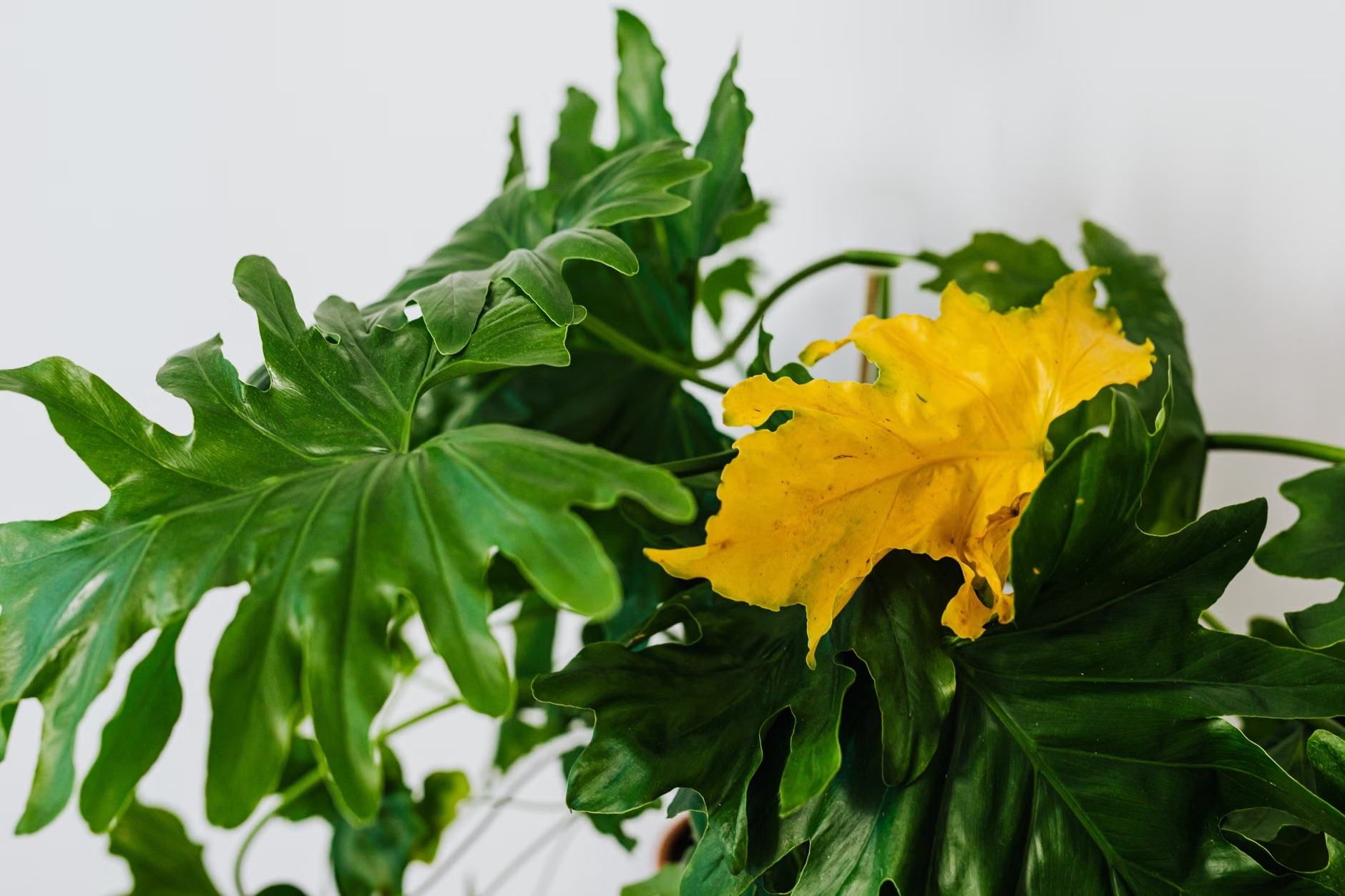
The expensive houseplant mistake is usually not buying the plant in the first place. It is replacing the same plants after every trip because they were drenched before you left, then came home yellow, limp, and stressed. University of Maryland Extension notes that excess water cuts oxygen in the potting mix and damages fine roots, while Illinois Extension warns that wilting can also be a sign of overwatering, not just thirst. A cheaper, more reliable vacation plan is usually to water based on need, reduce water demand, and add backup only for the plants that truly need it. (extension.umd.edu)
TL;DR
- Overwatering before a trip can backfire because roots need oxygen, and the symptoms of excess moisture can look a lot like drought stress. (extension.umd.edu)
- For most indoor plants, a better plan is to water only if the soil says it is time, move moderate-risk plants out of the hottest light, group humidity-lovers, and use a wick or reservoir only for the thirstiest pots. (extension.illinois.edu)
- Succulents and cacti usually need less help, while ferns, herbs, small terracotta pots, and bright-window plants are more likely to need backup. (extension.umn.edu)
- If your trip is long, the safest upgrade is usually not more water. It is a targeted check-in for the few high-risk plants. Illinois Extension specifically recommends regular check-ins for extended absences. (extension.illinois.edu)
Why the pre-trip drench fails
A blanket soak ignores the two things that matter most: whether the plant needs water now, and how fast that pot will dry while you are gone. Extension guidance is consistent on this point. Watering frequency changes with plant type, pot size, drainage, humidity, light, and even whether the container is clay or plastic. That is why schedule-based watering is weak vacation planning. The plant and the soil have to lead the decision. (extension.illinois.edu)
Light changes the math too. University of Minnesota Extension notes that plants in lower light grow more slowly and use less water, while larger plants and sunnier locations usually need water more often. Succulents are a special case because they store water and are meant to dry out between thorough waterings. In other words, a fern in a small clay pot and a snake plant in a larger plastic pot should not get the same vacation treatment, even if they sit in the same room. (extension.umn.edu)
Use the AWAY Score before you buy anything
Score each plant, not the room. The AWAY Score is a quick filter for deciding whether a plant needs no special help, a lower-demand setup, or true watering backup. It uses four variables that extension sources repeatedly treat as meaningful: absence length, plant thirst, light exposure, and pot setup. Low light reduces water use, clay dries faster than plastic, many succulents want far less frequent watering than tropical foliage plants, and reservoir-style self-watering systems can bridge a few days for the right plants. (extension.umn.edu)
| Factor | 1 point | 2 points | 3 points | 4 points |
|---|---|---|---|---|
| Absence length | 1 to 3 days | 4 to 7 days | 8 to 10 days | 11 or more days |
| Water appetite | Dry-loving plant that normally dries out well between waterings | Average houseplant with moderate moisture needs | Plant that prefers steady moisture | Very thirsty plant, seedling, or already stressed plant |
| Air and light | Low or medium indirect light | Bright indirect light | Hot south or west exposure | Outdoor summer exposure or unusually warm room |
| Pot setup | Large plastic or glazed pot, or tested self-watering pot | Standard nursery pot with drainage | Small pot, hanging basket, or slightly rootbound plant | Terracotta, fast-drying mix, or any setup that dries very fast |
Add the four rows. A total of 4 to 6 means leave the plant alone after its normal watering. A 7 to 9 means lower demand first by shifting it out of the hottest light and grouping it strategically. A 10 to 12 means add a wick, reservoir, or temporary self-watering setup. At 13 or higher, arrange a person check-in. That cutoff matters because Illinois Extension recommends regular checks for longer absences, and University of Maryland Extension says self-watering containers help you ignore pots for a few days, not indefinitely. (extension.illinois.edu)
Tip: A practical money rule is not to spend premium gadget money to protect cheap, easy-to-replace plants. Add up the local replacement cost of only the at-risk plants. If the gear costs less than about 30% of that number, it is often a sensible buy. If it costs more, it should earn a second job, such as making weekly care easier or covering patio containers too.
Match the method to the trip
| Trip length | Usually enough | Best for | Not enough when |
|---|---|---|---|
| 1 to 3 days | Water only the plants that are actually dry, then leave them alone | Most average indoor plants | Plant already wilts quickly in bright heat |
| 4 to 7 days | Normal watering plus lower light for moderate plants and humidity support for moisture-lovers | Mixed collections of common houseplants | Tiny pots, herbs, or plants that need evenly moist soil |
| 8 to 10 days | Targeted wick or self-watering support for high-score plants | A few thirsty plants among many easy ones | Outdoor pots or anything drying daily |
| 11 or more days | A tested reservoir setup plus a person check-in for the highest-risk plants | Frequent travelers with a repeat system | Rare plants, seedlings, or untested setups |
The vacation setup that usually works better
- Two days before you leave, inspect each plant the same way. Use a finger test for smaller pots. For larger pots, use a dowel or compare the pot weight to how it feels right after watering. University of Maryland Extension recommends both methods because the soil, not the calendar, should decide. (extension.umd.edu)
- One day before the trip, water only the plants that actually need it. Water thoroughly until excess drains out, then empty saucers and decorative outer pots so roots are not sitting in water. (extension.illinois.edu)
- Move moderate-risk plants out of the hottest window, not into a dark corner. Less light reduces water use, but the plant still needs enough light to stay stable for the week. (extension.umn.edu)
- Group humidity-loving plants together and use a pebble tray with water below the pot bases. Illinois Extension and University of Minnesota Extension both note that grouping plants can improve the immediate humidity around them. Do not let the pots sit directly in the water. (extension.illinois.edu)
- Add a wick or temporary reservoir only to the high-score plants. Reservoir-style systems work by wicking moisture upward, and they are better for steady-moisture plants than for cacti or other plants that prefer a strong dry-down. (extension.umd.edu)
- For a short trip and a truly moisture-loving houseplant, a clear bag over the plant paired with a shallow pebble-and-water pan can cover roughly a week. Illinois Extension puts that setup at about 7 to 8 days, after which a regular check-in is safer. (extension.illinois.edu)
- If a friend is helping, label only the plants that may need attention. A note that says “check the top inch” is better than “water everything on Thursday.” Illinois and Minnesota guidance both stress watering based on soil condition, not a fixed schedule. (extension.illinois.edu)
A realistic low-cost example
Consider a 9-day trip with nine indoor plants: two snake plants, three pothos, two philodendrons, one fern, and one basil plant on a kitchen sill. The household estimates that replacing the whole group would cost about $182 locally, but only the fern, basil, and two smaller trailing plants are really at risk. Using the AWAY Score, the snake plants come in low and get no special help. The pothos and philodendrons score in the middle because they are in bright indirect light and medium pots, so they get watered only if dry, then moved a little farther from the hottest window and grouped together.
The fern and basil score high because they prefer steadier moisture and live in smaller pots. The household spends $24 on cotton wick cord, a pair of small bins used as reservoirs, and a bag of pebbles. A neighbor gets one texted instruction: check the fern and basil on day five, and water only if the top layer is drying out. That $24 spend protects the plants most likely to fail, without wasting money on a $70 gadget for every pot in the house. It is targeted insurance, not plant-tech shopping.
Where the simple plan breaks down
This strategy is less reliable for very small pots, terracotta, rootbound plants, large plants in bright windows, and anything outdoors in summer. Illinois Extension notes that unglazed clay dries faster than plastic. University of Minnesota Extension says sunnier spots and larger plants often need water more often, while University of Maryland Extension says a self-watering container in full summer sun may still need frequent refilling. Also, dry-loving succulents generally should not be put on a steady-moisture setup just because you are traveling. (extension.illinois.edu)
- If you will be gone longer than 10 to 14 days, make the sitter plan specific. Name the exact plants to check. Illinois Extension recommends regular check-ins for extended vacations. (extension.illinois.edu)
- If a plant needs a wick or reservoir, set it up early and test it before the trip. A Colorado State Extension vacation-watering guide specifically advises trying wick setups for a few days before you leave. (bent.extension.colostate.edu)
- If a patio pot already dries every day in heat, skip indoor tricks and use dedicated irrigation or human help. University of Maryland Extension notes that even self-watering containers in full summer sun can need daily attention. (extension.umd.edu)
- If a plant is already stressed, pesty, or badly rootbound, do not assume vacation gear will save it. Fix the basic problem first or accept that replacement may be the cheaper choice.
Common mistakes that get expensive later
- Soaking every pot the night before. Excess water reduces oxygen in the soil and can produce the same wilt-and-yellowing signals people mistake for thirst. (extension.umd.edu)
- Trusting wilt as proof a plant needs water. Illinois Extension explicitly notes that wilting can also be caused by overwatering. (extension.illinois.edu)
- Leaving water trapped in saucers, cachepots, or decorative wraps. Multiple extension sources say to let excess water drain and not let pots sit in it. (extension.illinois.edu)
- Adding gravel to the bottom of the pot and assuming that fixes drainage. Illinois Extension says this is a myth because water perches above the gravel and can still saturate the root zone. (extension.illinois.edu)
- Giving cacti, pothos, ferns, and herbs the same plan. Water needs differ widely by plant type, and succulents are specifically adapted to modest watering and dry-down periods. (extension.illinois.edu)
- Testing out a new wick or clock at the time of leaving appears to be a best option as in case of one hour failure, it is better for the wick to fail on the trial weekend, rather than on the second day of the actual trip.
How to pressure-test the plan before you go
- Run a practice round for 2 to 3 days with the exact setup. Colorado State Extension advises trying wick systems for a few days before vacation. (bent.extension.colostate.edu)
- Right after watering, lift or weigh the pot so you learn the feel of “fully watered.” University of Maryland Extension recommends using pot weight changes and a dowel test to judge moisture. (extension.umd.edu)
- Twenty-four hours later, confirm the soil is moist rather than swampy, and make sure no outer pot is trapping drainage water. (extension.illinois.edu)
- Check the new location. Lower light can reduce water use, but a plant still needs an appropriate light range for the week. (extension.umn.edu)
- Write the sitter note before you leave. It should name the plant, the soil depth to test, and what to ignore. That removes guesswork and helps prevent the “water everything” mistake. (extension.illinois.edu)
Bottom line
The best vacation plant plan is usually not “more water.” It is calm triage: water only what is actually due, reduce demand for the middle group, and reserve wicks, reservoirs, or human backup for the few plants that score high. Most houseplants do better with stable moisture than soaking conditions, and that distinction can save both plants and money. (extension.umn.edu)
FAQ
Should I water every plant before a three-day trip?
Usually not. Water only the plants that are actually dry enough. Illinois Extension says the soil should drive the decision, not the calendar, and overwatered plants can wilt too. (extension.illinois.edu)
Do succulents and snake plants need a wick or water globe while I am away?
Often they do not. University of Minnesota Extension says succulents require only modest amounts of water and should dry completely between waterings, and Illinois Extension says self-watering pots usually are not worth the extra cost for plants that need to dry out. (extension.umn.edu)
How long can the clear-bag setup work for a houseplant?
Illinois Extension says a clear bag over the plant, paired with a shallow pebble-and-water pan, is typically enough for about 7 to 8 days. Past that point, a regular check-in is safer. (extension.illinois.edu)
Are self-watering planters better than DIY wicks?
Either can work if tested first. The basic idea is the same: water moves from a reservoir into the potting mix by wicking or capillary action. Commercial self-watering pots can be neater and more predictable, but they are still a poor fit for plants that want a strong dry-down. (extension.umd.edu)
What should I tell a plant sitter so they do not overwater?
Use plant-by-plant instructions. Name the few plants to check, the soil depth to test, and which pots to ignore. “Water if the top inch is dry” is safer than “water on Wednesday.” (extension.illinois.edu)
References
- University of Maryland Extension: Overwatered Indoor Plants – https://www.extension.umd.edu/resource/overwatered-indoor-plants
- Illinois Extension: Watering – https://extension.illinois.edu/houseplants/watering
- Illinois Extension: Care – https://extension.illinois.edu/houseplants/care
- University of Minnesota Extension: Spring houseplant care – https://extension.umn.edu/houseplants/spring-houseplant-care
- University of Minnesota Extension: Lighting for indoor plants and starting seeds – https://extension.umn.edu/planting-and-growing-guides/lighting-indoor-plants
- University of Maryland Extension: Self-Watering Containers – https://www.extension.umd.edu/resource/self-watering-containers
- Illinois Extension: Container Drainage Options – https://extension.illinois.edu/container-gardens/container-drainage-options
- University of Minnesota Extension: Cacti and succulents – https://extension.umn.edu/gardening-minnesota/cacti-and-succulents
- University of Minnesota Extension: Winter houseplant tips – https://extension.umn.edu/news/winter-houseplant-tips
- Colorado State University Extension newsletter: vacation wick systems should be tested before you leave – https://bent.extension.colostate.edu/wp-content/uploads/sites/24/2018/07/HortNewsletterSummer2018.pdf