TL;DR
- Older, lower leaves turning yellow first usually point to normal aging, mobile nutrient issues such as nitrogen or magnesium deficiency, chronic low light, or wet-root stress rather than a sudden crisis. (Iowa State Extension)
- New leaves that yellow first, especially with greener veins, push iron-related chlorosis and pH or drainage problems higher on the list. (Oklahoma State Extension)
- Soft yellow leaves plus wet potting mix usually fit overwatering or root trouble better than a fertilizer shortage. Crisp edges, bleached patches, or tip burn fit sun, dry air, inconsistent watering, or salt buildup better. (University of Maryland Extension)
- Fine yellow stippling or speckling, especially with webbing, should send you straight to a pest check for spider mites. (UC IPM)
- Sudden yellowing after a move often means acclimation, temperature stress, or a sharp change in light. Slow yellowing over weeks usually points to care conditions you have been repeating. (Virginia Cooperative Extension)
Yellow leaves make people spend money in the wrong order. A plant drops a few leaves, and the response is often a quick cart fill: fertilizer, new soil, a bigger pot, maybe even a replacement plant. But yellowing is a broad symptom, and extension guidance consistently treats it as a clue to investigate, not a diagnosis on its own. Watering problems, light stress, root trouble, pests, nutrient issues, and ordinary aging can all lead to the same color change. (Iowa State Extension)
The practical shortcut is to stop asking, “What should I buy?” and start asking three narrower questions: Where are the yellow leaves? What do they feel like? When did the change start? Those three clues often get you close enough to make a low-risk fix before you disturb the roots or add more fertilizer. (University of Delaware)
Start with the LTT Triage Method
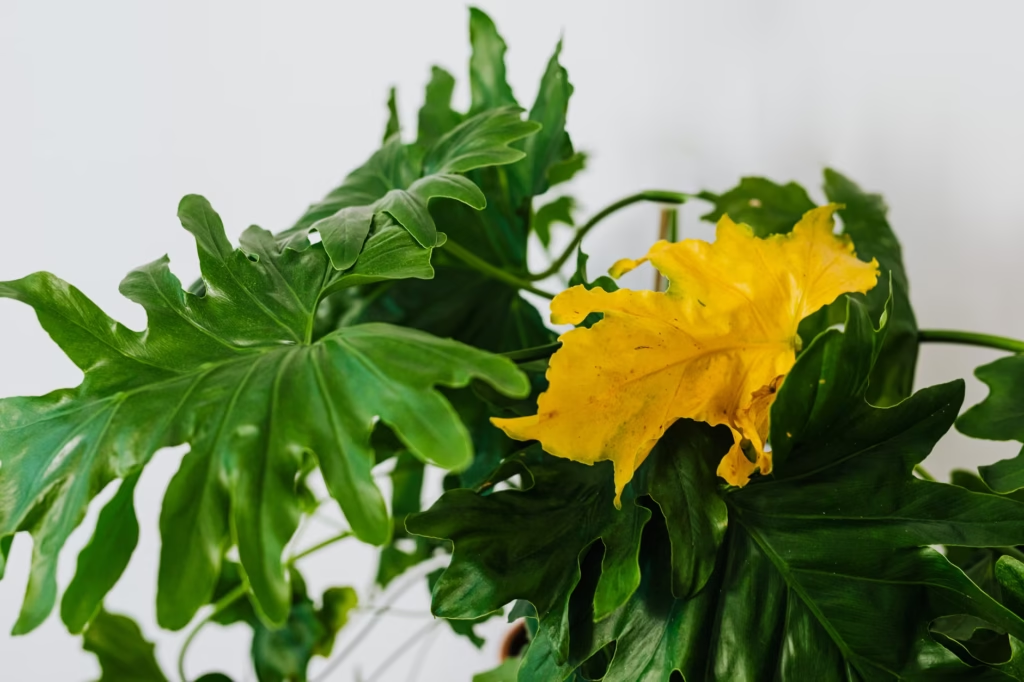
For this article, use the LTT Triage Method: Location, Texture, and Timing. Location tells you whether the plant is sacrificing old leaves, struggling on new growth, or getting hit only on one side. Texture helps separate wet-root stress, salt burn, edema, and pest damage. Timing helps you decide whether the problem is chronic care drift or a sudden environmental shock. It is a simple filter, but it keeps you from treating every yellow leaf as a fertilizer problem. (University of Delaware)
| If you see this | Think first about | Check next | Best low-risk first move |
|---|---|---|---|
| Older, lower leaves yellow first | Normal aging, low nitrogen, low magnesium, chronic overwatering, low light | Are the newest leaves still greener? Is the mix staying wet for days? Is it mostly the oldest leaves? | Adjust watering and light first; inspect roots if the soil stays wet. (Iowa State Extension) |
| New leaves yellow first, often with greener veins | Iron-related chlorosis, pH problems, cold or wet media, poor drainage | Do the veins stay green? Has the plant been kept cold, wet, or in exhausted mix? | Improve drainage and review watering before buying more general fertilizer. (Oklahoma State Extension) |
| Whole plant looks pale or washed out | Low light, broad nutrient shortage, root stress, acclimation | Has growth slowed? Did the plant recently move rooms? Is the pot crowded? | Increase light gradually and check the root ball before making bigger changes. (UC IPM) |
| Window-facing side looks faded, yellow-brown, or brittle | Sunburn, excess light, heat, temperature blast | Did you move it into direct sun or near a vent or hot glass? | Move to bright indirect light and stabilize temperatures. (University of Maryland Extension) |
| Tiny yellow specks or fine webbing | Spider mites | Check leaf undersides and nodes with a flashlight | Isolate the plant and inspect nearby plants too. (UC IPM) |
| Raised blisters or corky bumps, sometimes followed by yellowing | Edema from excess moisture plus low transpiration | Is the mix wet, the room humid, or the plant in cool, low-airflow conditions? | Let the mix dry more between waterings and improve air movement. (UC IPM) |
What the location usually means
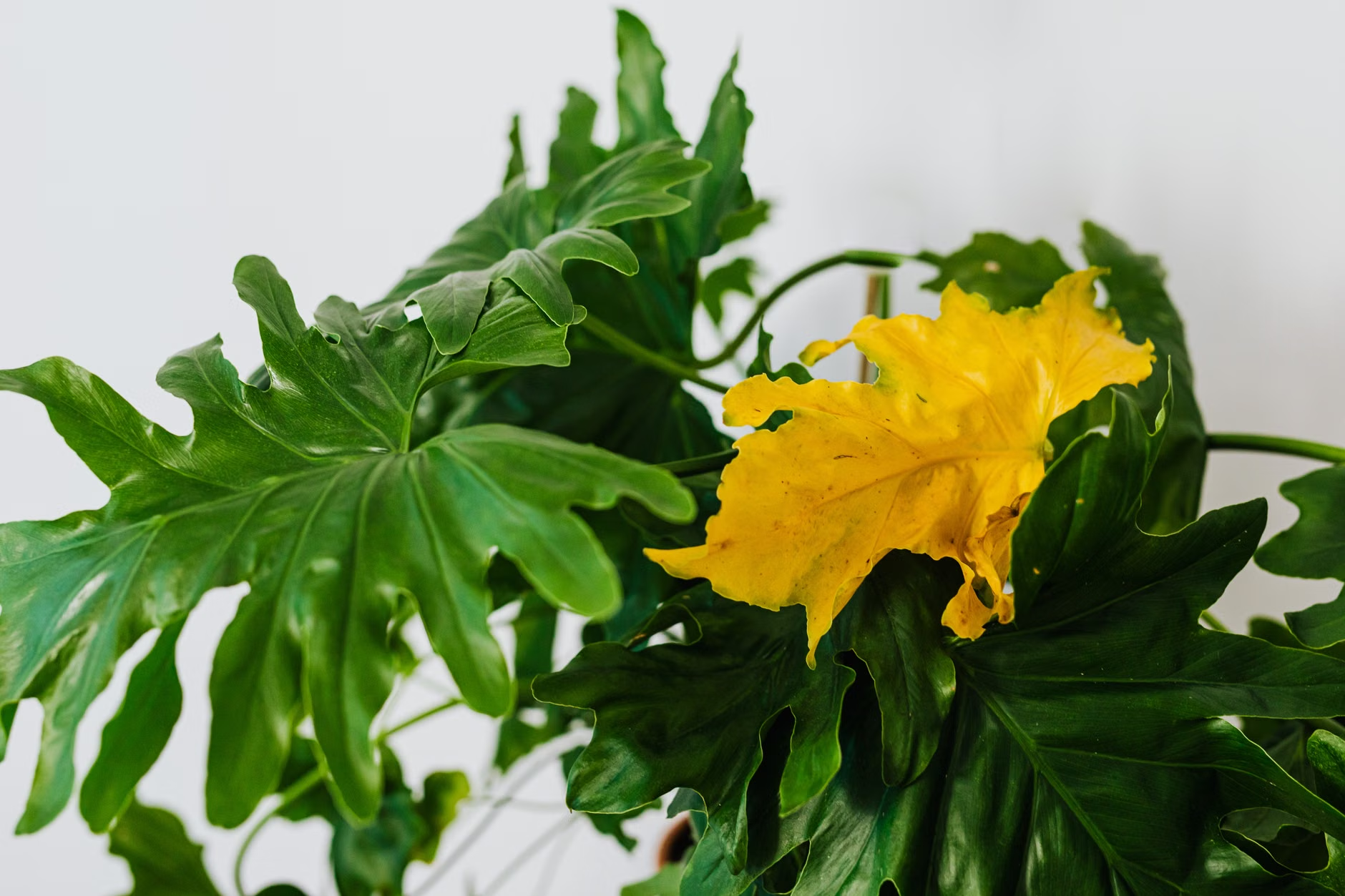
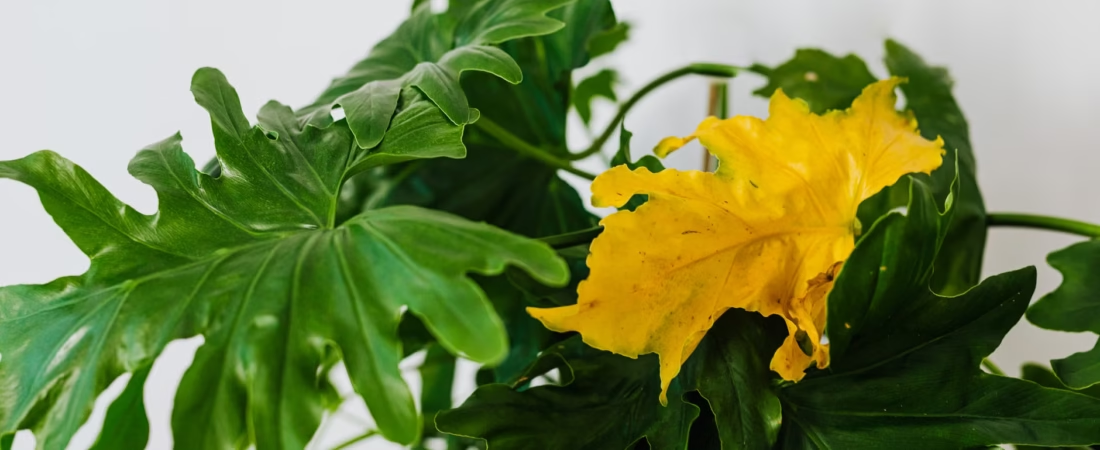
When yellowing starts on older, lower leaves while newer growth stays greener, think mobile nutrient issues first. Nitrogen and magnesium can be moved from older tissue to support new growth, so their deficiencies tend to show there first. The catch is that the same lower-leaf pattern also appears with chronic overwatering, low light, pot-bound stress, and simple aging, so you still need the other two parts of the LTT method. (Iowa State Extension)
When the newest leaves at the top or tips are the ones fading first, especially if the veins remain green, iron-related chlorosis moves up the list. Extension sources also note that the problem is not always a lack of iron in the fertilizer bag. High pH, cold wet media, and poor drainage can make iron unavailable to the plant even when the nutrient is present. (Oklahoma State Extension)
If only the side facing a window is paling, bleaching, or going yellow-brown, location is telling you this is less likely to be a whole-plant nutrition issue. Strong sun and heat can break down chlorophyll, and indoor plants adapted to lower light can scorch after a sudden move into direct sun. (University of Maryland Extension)
If yellowing is scattered across the plant or concentrated on shaded inner leaves, widen the diagnosis. Broad yellowing can show up with improper light, inconsistent watering, acclimation after a move, under-fertilization, or poor overall root health. In other words, location can narrow the field, but it rarely names the winner on its own. (Iowa State Extension)
What the texture tells you
Texture is often the clue people skip, but it can quickly separate very different problems.
- Soft, limp, or mushy yellow leaves point more toward excess moisture, oxygen-starved roots, crown problems, or root rot than toward drought. If the roots are soft and brown instead of firm and white, that raises confidence in the diagnosis. (University of Maryland Extension)
- Dry, crisp edges and tips that move from yellow to brown fit low humidity, inconsistent watering, salt buildup, or excess light better than classic overwatering. Sunburn often leaves bleached or brittle areas, while fertilizer and mineral salts tend to show first at tips and margins. (Iowa State Extension)
- Yellowing between green veins is chlorosis, but location matters. On older leaves, think magnesium sooner. On new leaves, think iron sooner. (Iowa State Extension)
- Tiny yellow speckles, a dusty look, or fine webbing are classic spider mite clues. You often notice the stippled yellow damage before you ever see the mites. (UC IPM)
- Blistered, wart-like, or corky bumps, especially on the underside of leaves, fit edema. That is a physiological moisture-balance problem, not usually an infection, and it develops when roots take up water faster than leaves can release it. (UC IPM)
Timing is the tie-breaker
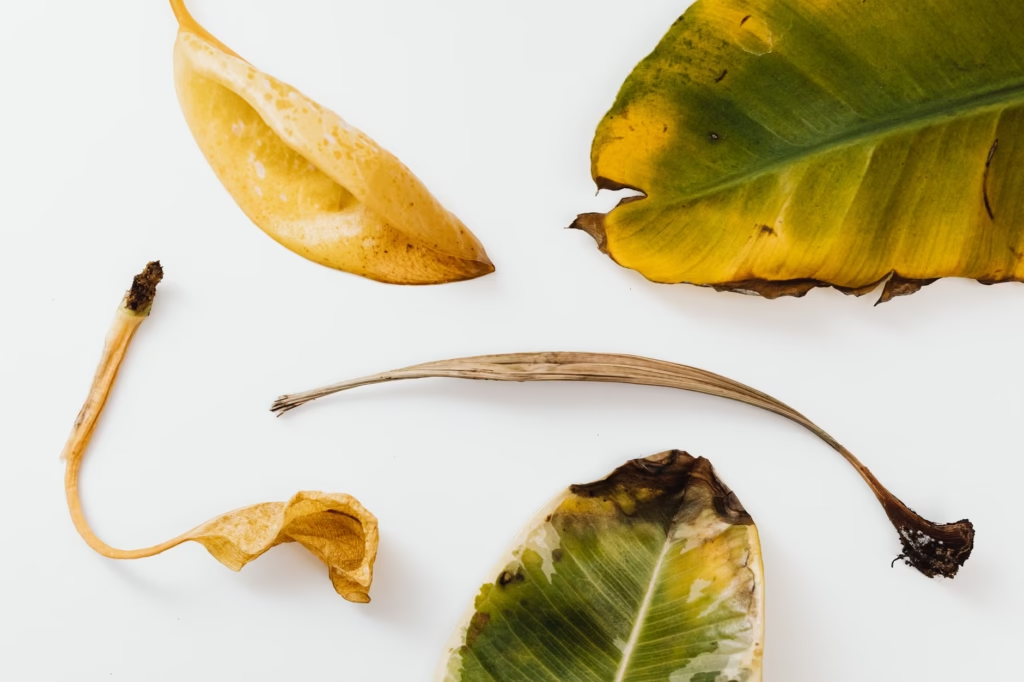
Timing helps when two explanations seem equally plausible. If leaves start yellowing within a day or two of a move, a cold ride home, a blast from an HVAC vent, or a jump from dim light to direct sun, environmental shock is a better first guess than nutrient deficiency. If the yellowing has crept along for two to six weeks under the same care routine, watering habits, low light, root crowding, or slow nutrient depletion become more likely. (Virginia Cooperative Extension)
A realistic example: say you bought a 6-inch pothos for $18 and started watering it with about 12 ounces every three days because the tag made it sound like it wanted constant moisture. Two weeks later, six inner and lower leaves have turned soft yellow, the potting mix still feels damp on day five, and the plant droops slightly even though the soil is wet. LTT says location: older and inner leaves; texture: soft, not crisp; timing: gradual after a routine change. That pattern points much more strongly to excess moisture and root stress than to sun scorch or iron deficiency, so the next smart move is a root check, not another fertilizer purchase. (University of Maryland Extension)
The 10-minute yellow-leaf audit
- Before coming in contact with a particular plant, it is essential to identify the correct pattern. It is important to count how many of the leaves are yellow, understand if they are old or new, and observe if the yellow leaves are located at one side, at the center, or distributed all over the plant.
- Touch both the leaf and the soil. A soft leaf in wet mix sends you one direction; a crisp edge in dry mix sends you another. Check moisture 1 to 2 inches down instead of watering by calendar. (Iowa State Extension)
- Check the pot setup. Standing water in the saucer, a pot with no drainage, or a mix that stays heavy for days raises the odds of wet-root stress. White crust on the soil or pot rim raises the odds of mineral or fertilizer salt problems. (Virginia Cooperative Extension)
- Inspect the undersides of leaves with your phone flashlight. Look for speckling, webbing, sticky residue, or blistered and corky patches. (UC IPM)
- Review the last 21 days. Did you move the plant, repot it, fertilize more heavily, set it in stronger sun, or expose it to cold or heat blasts? (Virginia Cooperative Extension)
- If the clues conflict, inspect the roots. Healthy roots are generally firm and white; rotted roots are soft and brownish. Dense circling roots suggest crowding is part of the problem. (Iowa State Extension)
- Make one correction at a time and watch the plant for at least 7 to 14 days before buying more products. That keeps you from solving the wrong problem twice.
Common diagnosis mistakes
- Treating every yellow leaf as hunger. Many yellow-leaf cases start with watering, light, root stress, or pests, and more fertilizer can add salt stress on top. (UC IPM)
- Watering again just because the plant is drooping. Plants with damaged roots can wilt in wet soil because they are not taking up water normally. (Iowa State Extension)
- Ignoring whether the affected leaves are old or new. That is one of the fastest ways to separate mobile nutrient issues from iron-type chlorosis. (University of Delaware)
- Moving a stressed plant straight into harsh direct sun in hopes of helping it recover faster. That can add scorch to the original problem. (University of Maryland Extension)
- Checking only the top of the leaf. Spider mites are easier to infer from the stippled damage and webbing underneath than from seeing the mites themselves. (UC IPM)
- Changing water, fertilizer, pot, soil, and light all at once. That makes it harder to learn what actually helped.

When the first answer is not enough
Yellow leaves often come from stacked problems, not one clean cause. A plant can be slightly rootbound, kept a little too wet, and sitting in weaker-than-ideal light at the same time. Iron-like chlorosis may really be a pH or drainage problem. Drought-like wilt may really be root damage in wet soil. Salt buildup can also interfere with water balance and mimic other stresses. (Oklahoma State Extension)
If you correct the most likely cause and still see steady new yellowing after two to three weeks, step back and use a backup plan. Flush obvious salt buildup, repot out of sour or compacted mix, inspect the roots and leaf undersides again, and consider a soil or tissue test if the symptoms still look nutritional. Extension offices and plant clinics can often help interpret persistent deficiency questions, which is usually a better use of money than buying three rescue products at random. (University of Maryland Extension)
How to verify that your fix is working
- Take a photo from the same angle once a week. Your memory is worse than your camera when changes are gradual.
- Track three numbers for 14 days: how many new leaves yellow, how long the pot takes to dry after a full watering, and whether new growth is still emerging.
- If the mix stays soggy far longer than usual, keep drainage and root trouble on the list even if the leaves look a little better for a few days. (Virginia Cooperative Extension)
- Watch the newest leaves closely. If new growth is cleaner while the oldest leaves continue to age out, your diagnosis is probably moving in the right direction. (Iowa State Extension)
- If symptoms keep moving upward while the soil stays wet, unpot and inspect the roots instead of waiting another month. (Iowa State Extension)
Tip: Do not panic over one yellow leaf right after bringing a plant home or moving it inside for the season. Some leaf yellowing can be part of acclimation, especially when light, temperature, and humidity change at once. Recheck watering and placement before you repot or feed. (UW Extension)
Bottom line
Yellow leaves get easier to diagnose when you stop looking for a universal cure. Read the pattern instead. Location tells you whether the plant is sacrificing old leaves, struggling on new growth, or getting burned on one side. Texture separates wet-root trouble, salt burn, edema, and mite damage. Timing tells you whether the issue is sudden shock or a slow care problem. Put those clues together, make the cheapest low-risk fix first, and let the plant show you whether the diagnosis holds. (University of Delaware)
FAQ
Should I fertilize as soon as I see yellow leaves?
Usually no. Yellowing can come from overwatering, light stress, pests, root problems, or simple acclimation, and extra fertilizer can worsen salt buildup if nutrition is not the real problem. Check location, texture, and timing first. (UC IPM)
How can I tell overwatering from underwatering if both can cause drooping?
Check the mix and the roots, not just the posture of the leaves. Droop plus wet soil points toward damaged roots or excess moisture. Droop plus very dry soil and crisping points more toward underwatering or inconsistent watering. (Iowa State Extension)
Why are only the lower leaves yellow on a plant I just bought?
That can be acclimation or ordinary aging, especially if the plant has just moved from greenhouse conditions to your home. If the pattern spreads, then review watering, light, and root health. (Oklahoma State Extension)
What if the newest leaves are yellow but the veins stay green?
That pattern fits iron-related chlorosis more than nitrogen shortage. Before you buy more all-purpose fertilizer, check drainage, watering, and whether the mix may be too alkaline or staying cold and wet. (Oklahoma State Extension)
When should I repot instead of waiting?
Repot sooner if the root ball is densely crowded, the mix has become compacted or sour, the pot has poor drainage, or the plant stays wet for an unusually long time after watering. Repotting is also reasonable when root inspection shows soft brown roots that need cleanup and fresh mix. (Oklahoma State Extension)
Do yellow leaves always mean the plant is dying?
No. One or two older yellow leaves can be normal aging or acclimation after a move. The bigger concern is a pattern: repeated new yellowing, spread into new growth, wet-soil wilt, pest signs, or a whole plant that keeps fading over time. (UW – Madison Extension)
References
- University of Wisconsin-Madison Division of Extension: Analyzing Reasons for Yellow Leaves – https://hort.extension.wisc.edu/analyzing-reasons-for-yellow-leaves/
- Iowa State University Extension and Outreach: What causes leaves on my houseplant to turn yellow or brown and drop off? – https://yardandgarden.extension.iastate.edu/faq/what-causes-leaves-my-houseplant-turn-yellow-or-brown-and-drop
- UC Statewide IPM Program: Houseplant Problems – https://ipm.ucanr.edu/home-and-landscape/houseplant-problems/
- University of Maryland Extension: Overwatered Indoor Plants – https://extension.umd.edu/resource/overwatered-indoor-plants
- Iowa State University Extension and Outreach: Root Rots of Houseplants – https://yardandgarden.extension.iastate.edu/article/2014/02-14/rootrot.html
- Virginia Cooperative Extension: Properly Watering Container Houseplants – https://www.pubs.ext.vt.edu/SPES/spes-804.html
- University of Maryland Extension: Excess Light on Indoor Plants – https://extension.umd.edu/resource/excess-light-indoor-plants
- UC Statewide IPM Program: Spider Mites – https://ipm.ucanr.edu/home-and-landscape/spider-mites/
- University of Maryland Extension: Edema of Indoor Plants – https://extension.umd.edu/resource/edema-indoor-plants
- Iowa State University Extension and Outreach: Identifying Plant Nutrient Deficiencies: Nitrogen – https://yardandgarden.extension.iastate.edu/identifying-plant-nutrient-deficiencies/older-leaves/effects-mostly-generalized/nitrogen
- Iowa State University Extension and Outreach: Identifying Plant Nutrient Deficiencies: Magnesium – https://yardandgarden.extension.iastate.edu/identifying-plant-nutrient-deficiencies/older-leaves/effects-mostly-localized/magnesium
- Oklahoma State University Extension: Identifying and Correcting Iron Deficiencies in Ornamentals – https://extension.okstate.edu/fact-sheets/identifying-and-correcting-iron-deficiencies-in-ornamentals/