Fungus gnats are one of those houseplant problems that can waste money because they tempt you to treat what you can see. The flying adults around a lamp, laptop, or window feel like the problem, so people buy more sticky traps, more spray, or another quick fix. But repeat infestations usually start lower down, in the top layer of damp potting mix where eggs, larvae, and pupae keep cycling. If that nursery stays favorable, the adults keep coming back no matter how many you catch. (ipm.ucanr.edu)
The real problem is the nursery, not the swarm
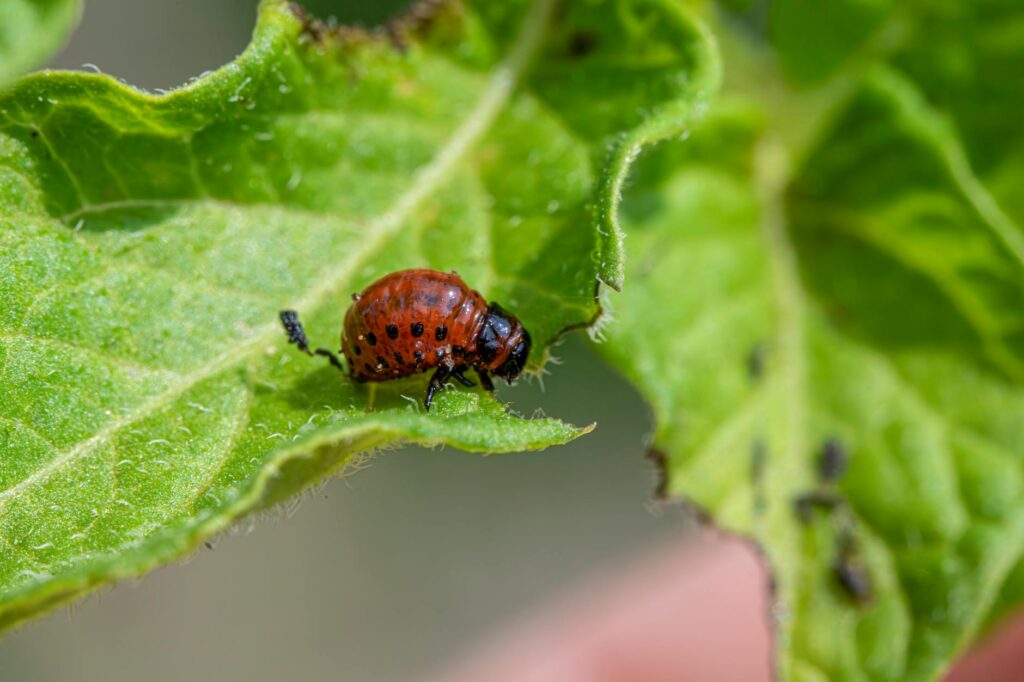
Most of a fungus gnat’s life is spent in the pot or growing medium, not in the air. University and IPM sources consistently point to moist, organic media as the breeding site: females lay eggs in damp potting soil, larvae feed on fungi and decaying organic matter, and heavy populations can also nibble roots, especially on seedlings or stressed plants. Indoors, generations overlap, which means one pot can hold eggs, larvae, pupae, and adults at the same time. (ipm.ucanr.edu)
That overlap is why the infestation can feel endless. You kill adults, then more adults emerge from the same moist soil a few days later. Colorado State University notes that older growing media can retain more moisture as it breaks down, and Utah State notes that mixes with too much organic matter can hold water too long. In other words, the hidden reason is often not just how often you water, but how long the top layer stays hospitable after each watering. (extension.colostate.edu)
Use the NEST Score before you buy another fix
Here is a simple screening tool you can use plant by plant. I call it the NEST Score because it helps you decide whether a pot is merely attracting a few adults or actively nesting the next round. Give each plant 1 point for each item that is true. This scoring rule is an editorial framework based on extension guidance about moisture, organic matter, monitoring, and larval detection. (ipm.ucanr.edu)
How to use it: a score of 0 or 1 usually means start with watering and cleanup; 2 or 3 means the pot is probably sustaining the infestation and needs a full reset; 4 means skip the half-measures and isolate the plant, treat larvae, and strongly consider repotting. The score is not a scientific threshold, but it is a practical decision rule that helps keep you from spending more money on adult-only products when the soil is still doing the breeding. (ipm.ucanr.edu)
A low-cost reset that actually breaks the cycle
- Isolate the likely problem pots in one area and put a yellow sticky card in each pot. Date the card so you can compare week by week instead of guessing. (ipm.ucanr.edu)
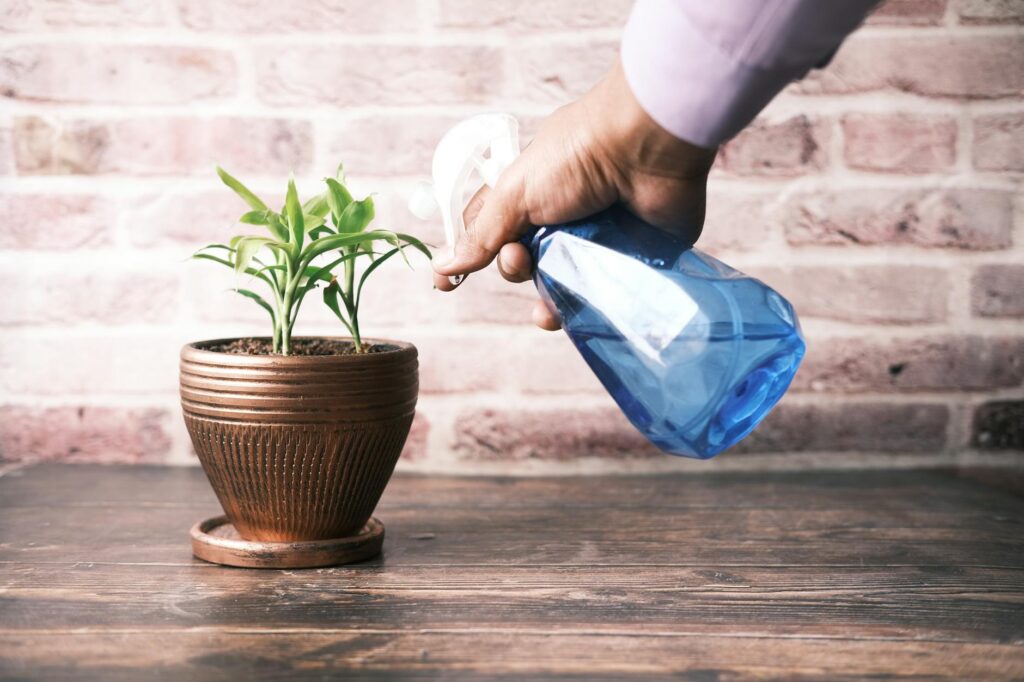
- Check moisture before watering. Let the top inch dry, and for plants that tolerate it, let the top 1 to 2 inches dry before the next watering. Dump standing water from saucers right away. (extension.oregonstate.edu)
- Switch the watering method if needed. Bottom-watering can help keep the surface drier, which makes the pot less attractive for egg laying. (extension.oregonstate.edu)
- Clean the soil surface. Remove dead leaves, old flowers, algae, and any decaying organic matter in or around the pot. (extension.oregonstate.edu)
- Run the potato test on the worst plants. If larvae show up, add a larvae-focused treatment instead of relying only on traps. Bti drenches and Steinernema feltiae nematodes are the most commonly recommended biological options. (ipm.ucanr.edu)
- Repot the true repeat offenders. If the mix is old, compacted, or chronically wet, move the plant into clean, pasteurized potting mix and a container setup that dries at a healthier rate. (extension.colostate.edu)
- Quarantine any new houseplant for a few weeks with its own sticky card before it joins the rest of your collection. (extension.oregonstate.edu)
The part many people skip is time. Fungus gnats can go from egg to adult in roughly three to four weeks indoors, and generations overlap, so stopping too soon is a common reason the problem appears to return. A good reset usually means staying consistent for a full cycle, not relaxing once you catch fewer adults for two or three days. (extension.colostate.edu)
What to do based on what you find
| What you see | What it usually means | Cheapest smart move | When to escalate |
|---|---|---|---|
| A few adults, healthy plant, soil dries normally | Likely a light nuisance problem, not a deeply established breeding site. (ipm.ucanr.edu) | Sticky card plus better moisture discipline may be enough. (extension.umd.edu) | If the weekly trap count does not fall after one life cycle, inspect for larvae and review the mix. (hort.extension.wisc.edu) |
| Sticky cards fill up, but gnats return every week | You are probably catching adults while larvae continue to emerge from the pot. (ipm.ucanr.edu) | Keep traps, but add a larvae step such as Bti or nematodes. (ipm.ucanr.edu) | If one pot stays active, repot or discard that plant instead of treating the whole room forever. (extension.oregonstate.edu) |
| Top inch stays wet for days, mix looks old or compacted | The media is acting like a moisture-retaining nursery. (extension.colostate.edu) | Reduce watering frequency, clean the surface, and consider a coarse sand or fine gravel cap. (hort.extension.wisc.edu) | If the mix still stays wet after changes, repot into fresh mix. (extension.colostate.edu) |
| Plant wilts if you let the surface dry much | Dry-down alone may not be realistic for this plant. (union.ces.ncsu.edu) | Use bottom-watering carefully and add Bti or nematodes to target larvae directly. (extension.oregonstate.edu) | If the potting setup is the issue, shift to a faster-drying container or fresher mix. (extension.usu.edu) |
| Gnats keep showing up, but plants do not test positive | The source may not be the plants at all; drains or forgotten wet organic matter can also breed gnats. (extension.umd.edu) | Cover suspect drains or plants overnight to narrow the source. (extension.umd.edu) | If the source is elsewhere, plant treatments alone will not solve it. Remove the alternate breeding site. (extension.umd.edu) |
A realistic household example
Take a renter with seven indoor plants who has already spent about $30 on repeated adult fixes: two packs of sticky cards at roughly $8 each and one aerosol product at about $14. The gnats slow down for a few days, then return around the living room lamp. Using the NEST Score, two plants stand out. Their top inch stays damp two days after watering, both pots have old compacted mix with dead leaf fragments on the surface, and potato slices show larvae. One plant scores 4, the other 3.
The smarter plan is not to keep buying more adult killers. It is to isolate those two plants, dump saucer water, repot the worst plant into fresh mix, and use a Bti drench on the second while adjusting watering for the whole group. Over three to four weeks, the sticky-card counts should fall if the larvae stage is being disrupted. The savings are not just on products. You also avoid needlessly repotting healthy plants and stop spending time on fixes that do not touch the breeding site. (ipm.ucanr.edu)
Common mistakes that keep the infestation alive
- Treating only the flyers. Sticky cards and adult sprays may reduce the annoyance, but the immature stages in soil keep the cycle going. (ipm.ucanr.edu)
- Watering by calendar instead of checking the soil first. Extension guidance is clear that surface moisture drives the problem. (extension.oregonstate.edu)
- Ignoring the potting mix itself. Old, broken-down, high-organic media can retain moisture long enough to support repeat infestations. (extension.colostate.edu)
- Leaving decaying leaves or flowers in the pot. Larvae feed on fungi and organic debris, so surface clutter matters. (extension.oregonstate.edu)
- Using vinegar traps meant for fruit flies. Wisconsin Extension specifically notes that fruit-fly monitoring methods like vinegar traps do not work for fungus gnats. (hort.extension.wisc.edu)
- Stopping after one good week. Because generations overlap, you usually need to stay consistent for the full three- to four-week cycle. (hort.extension.wisc.edu)
- Skipping quarantine on new plants. New purchases are a common way gnats hitchhike into the houseplant collection. (extension.oregonstate.edu)
When the usual fix stalls out
Some plants do not cooperate with a simple dry-down strategy. If a plant declines quickly when the top layer dries, do not force the issue just to follow generic advice. Use the backup options that extension sources recommend for those cases: bottom-water carefully, target larvae with Bti or Steinernema feltiae, consider an unglazed clay pot if the current setup stays wet too long, and use a coarse sand or fine gravel layer to keep the surface less inviting for egg laying. (extension.oregonstate.edu)
If the plan still fails, question the source. University of Maryland advises checking whether the gnats are coming from a particular plant or a drain, and Michigan State notes that forgotten wet organic matter such as rotting vegetables can also be responsible. If your sticky cards in pots stay mostly clean, or your potato test stays negative, cover suspect plants or drains overnight to narrow it down before spending more on plant treatments. (extension.umd.edu)
How to verify that your reset is actually working
- Date one sticky card per suspect pot and count the adults once a week, not randomly. Sticky cards are useful because they turn the problem into something measurable. (hort.extension.wisc.edu)
- Use potato slices on the worst one or two pots for three to four days to check whether larvae are still present. (extension.colostate.edu)
- Expect improvement in stages. Adult sightings can linger early because older larvae and pupae may still finish developing, especially with overlapping generations. (ipm.ucanr.edu)
- By the end of one life cycle, a successful reset should show a clear drop in trap counts and no obvious larvae on the potato test. That timing is a practical inference from the documented life cycle and treatment intervals. (ipm.ucanr.edu)
- If one pot keeps producing adults while the others improve, treat that plant as the source and repot, isolate, or discard it rather than restarting the entire room. (extension.oregonstate.edu)
Bottom line
Fungus gnats keep coming back because the potting mix is often still doing exactly what the gnats need it to do: staying damp, holding organic food, and sheltering the immature stages you do not see. Treat the pot like the problem, not the flyers like the whole problem. If you change the moisture pattern, clean the surface, confirm larvae, and reset the worst pots for a full life cycle, you are far more likely to solve the infestation without throwing more money at temporary relief. (ipm.ucanr.edu)
FAQ
Are fungus gnats actually harming my houseplants?
Usually the adults are mostly a nuisance, not plant killers. Larvae can damage roots when populations are high, and that risk is greater for seedlings, young plants, or already stressed plants. (ipm.ucanr.edu)
Why do fungus gnats come back right after sticky traps seem to work?
Because the traps catch adults, not the larvae and pupae in the soil. If the potting mix stays moist, new adults keep emerging from the same pot. (ipm.ucanr.edu)
How long does it usually take to get rid of them?
Plan on at least three to four weeks of consistent control, which matches the typical indoor life cycle reported by extension sources. Some treatments such as Bti are also repeated every five to seven days because they do not affect every stage at once. (extension.colostate.edu)
Do vinegar traps work for fungus gnats?
Not well. Vinegar traps are commonly used for fruit flies, but Wisconsin Extension notes that those methods do not work for monitoring fungus gnats. (hort.extension.wisc.edu)
Should I repot every plant that has a few gnats?
No. Start with moisture control, cleanup, and monitoring. Repot when the mix is old, compacted, staying wet too long, or when one plant clearly remains a repeat source despite other steps. (extension.colostate.edu)
Can I use Bti products on houseplants?
Many extension sources recommend Bti as a soil drench for fungus gnat larvae, and UC IPM notes that retail products are available for home gardeners. Use only products labeled for your use site and follow the current label directions. (ipm.ucanr.edu)
References
- UC Statewide IPM Program: Fungus Gnats – https://ipm.ucanr.edu/PMG/PESTNOTES/pn7448.html
- Colorado State University Extension: Fungus Gnats as Houseplant and Indoor Pests – https://extension.colostate.edu/resource/fungus-gnats-as-houseplant-and-indoor-pests/
- University of Wisconsin Extension PDF: Fungus Gnats on Houseplants – https://hort.extension.wisc.edu/files/2021/03/Fungus_Gnats_on_Houseplants.pdf
- Oregon State University Extension: I have fungus gnats everywhere. Can you help? – https://extension.oregonstate.edu/ask-extension/featured/i-have-fungus-gnats-everywhere-can-you-help
- University of Maryland Extension: Fungus Gnats – https://extension.umd.edu/resource/fungus-gnats
- Utah State University Extension: Gnat Infestation – https://extension.usu.edu/planthealth/uppdl/faq/gnat-infestation
- Michigan State University Plant & Pest Diagnostics: Fungus Gnats – https://www.canr.msu.edu/resources/fungus-gnats
- US EPA: Introduction to Pesticide Labels – https://www.epa.gov/pesticide-labels/introduction-pesticide-labels