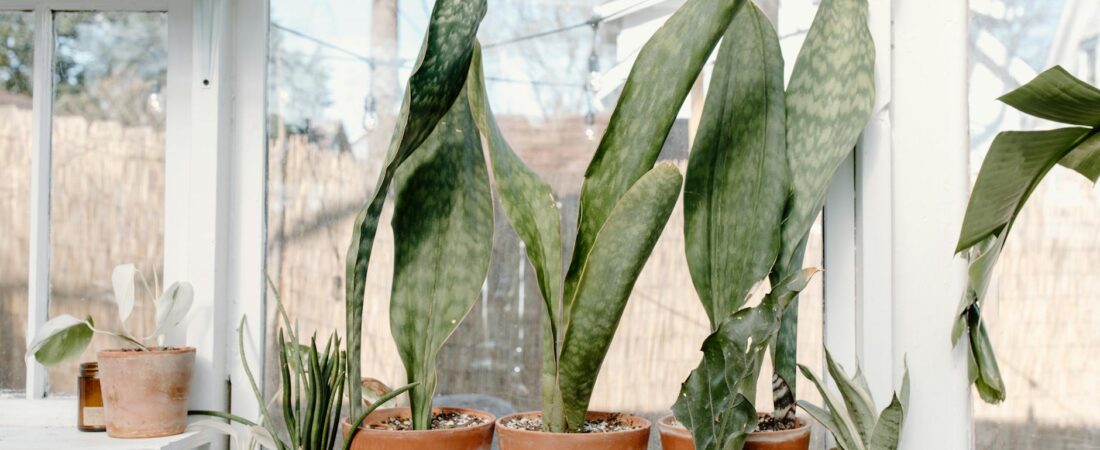
Most apartment plant failures are purchased, not grown. The usual mistake is spending money on a large decorative pot, a thirsty or high-light plant, and a stack of accessories before you know what your window can actually support. Indoors, light is the main constraint, and the easiest beginner setup is usually smaller and cheaper than people expect: one or two common foliage plants in drainage pots, a saucer or cachepot, and a watering routine based on dry soil rather than a fixed calendar. Snake plant and pothos handle lower light better than many houseplants, while cacti and succulents need brighter conditions and a good dry-down between waterings. (extension.umd.edu)
TL;DR
- Match the plant to the light you already have. Indoors, light is the first thing to get right. (extension.umd.edu)
- For most beginners, the lowest-cost successful setup is a small plant in a pot with drainage, plus a saucer or cachepot, not a dramatic repot on day one. (extension.umd.edu)
- Do not water on a schedule. Check the soil and the weight of the pot instead. (extension.umd.edu)
- If pets chew plants, treat toxicity as a deal-breaker from the start. Pothos and snake plant are toxic to cats and dogs; spider plant is listed as non-toxic. (aspca.org)
The setup that saves the most money
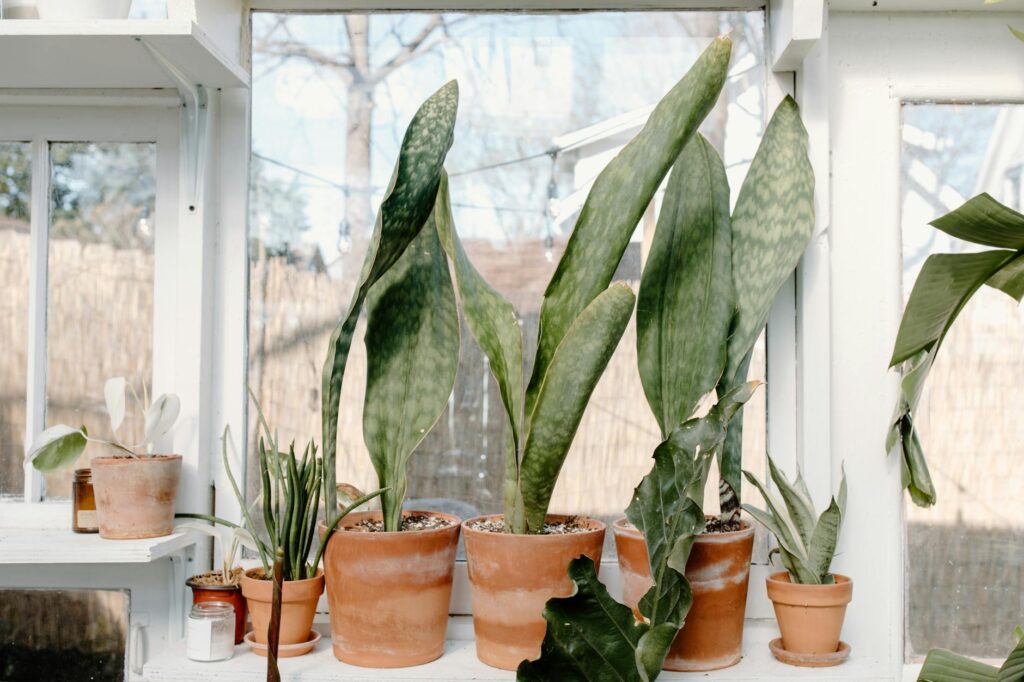
For most renters, the best first setup is not a full plant corner. It is one small plant you can easily carry to the sink, left in its nursery pot or another pot with a drainage hole, plus a saucer or decorative cachepot to catch runoff. Buy a quality soilless mix for the day you actually need to refresh soil or repot; university extension guidance consistently favors porous, soil-free mixes over dense outdoor soil or generic mixes that stay too heavy indoors. On day one, light, drainage, and sensible watering matter more than extra fertilizer or gadgets. (extension.umd.edu)
| If your apartment is like this | Good first plant | Starter setup | Money-saving skip | Why this is the safer bet |
|---|---|---|---|---|
| North window or a room set back from the glass | Snake plant | 4- to 6-inch plant in a pot with drainage and a saucer | Skip herbs and flowering plants at first | Snake plant tolerates low light better than most common houseplants, but it still needs a well-drained setup and can struggle if kept too wet. (extension.umd.edu) |
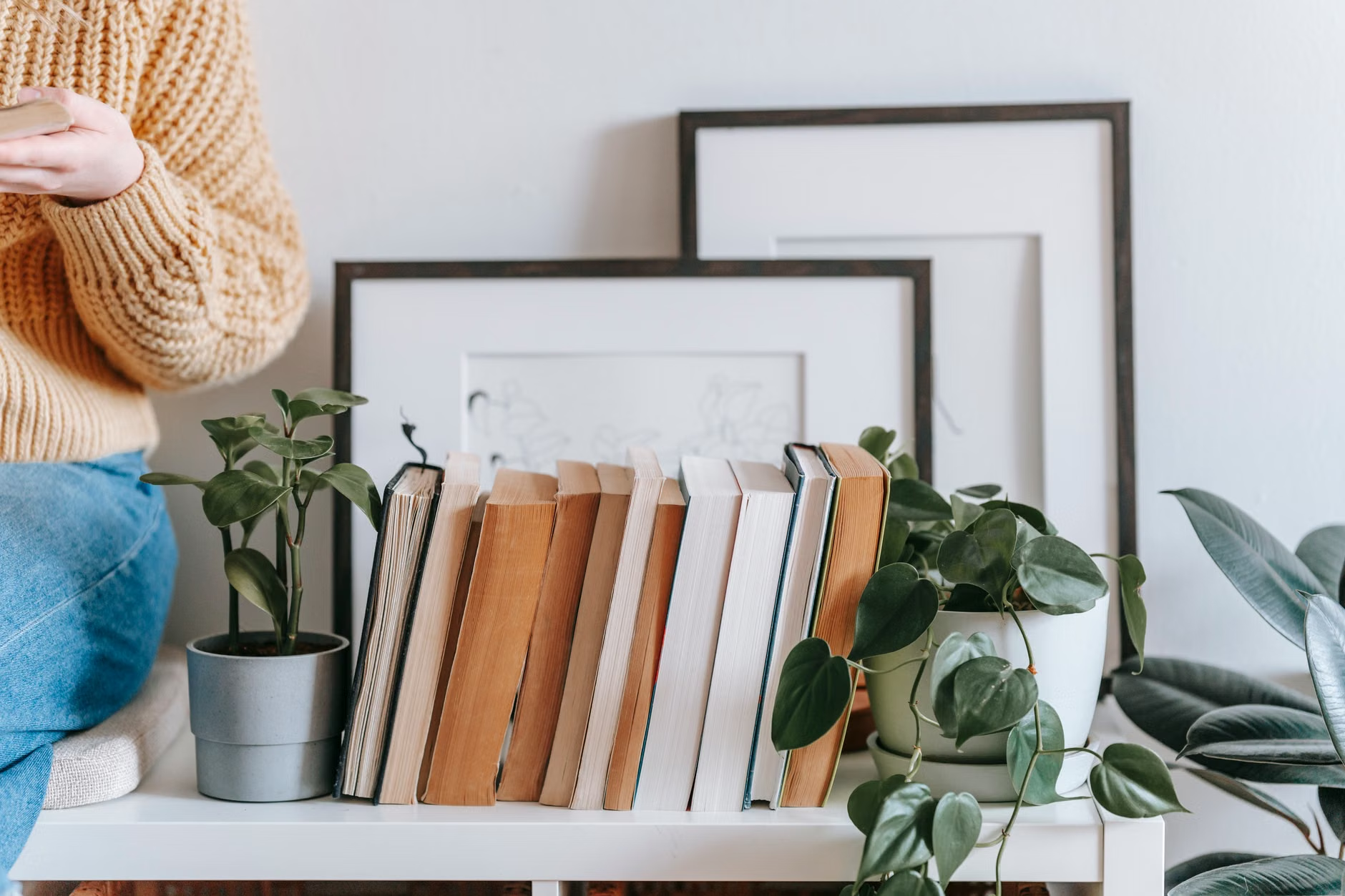
| East window and you want visible trailing growth | Pothos | Nursery pot inside a cachepot or on a saucer | Skip the oversized floor planter | Pothos is a reliable starter vine that tolerates lower light, though its variegation can fade in very low light. (extension.umd.edu) |
| Bright south or southwest window and you usually forget to water | Cactus or succulent | Small drainage pot plus cactus or succulent mix | Skip moisture-loving plants | Cacti and succulents are easy only when the light is bright, drainage is good, and the soil is allowed to dry between waterings. (extension.umd.edu) |
| You have a cat or dog that chews leaves | Spider plant | Stable shelf or hanging basket with drainage | Skip pothos and snake plant | ASPCA lists pothos and snake plant as toxic to cats and dogs, while spider plant is listed as non-toxic. (aspca.org) |
A realistic starter budget can stay modest. Picture a renter in a 520-square-foot apartment with one east-facing living room window and a $70 cap. Instead of buying a plant stand and three random plants, they buy a $12 pothos, a $15 snake plant, two saucers for $6, a small bag of soilless mix for $10, a basic pair of snips for $9, and an optional full-spectrum LED bulb for $12 if one corner turns out to be dim. Total: $64 before tax. The savings come from skipping the oversized planter, the moisture meter, and the urge to build a whole collection before the first plant proves the setup works.
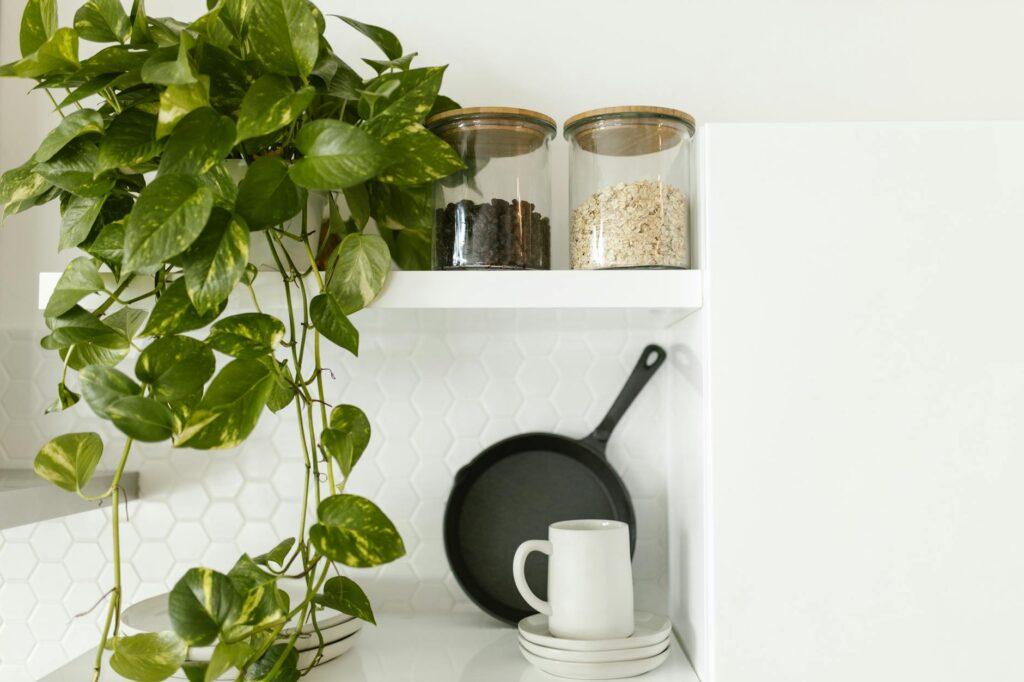
Use the SILL Score before you buy anything
Before you buy, run every plant through the SILL Score: Sun match, Ignore-proof watering, Leak control, and Limit cost. Score each category from 0 to 2. Buy only setups that reach 7 or 8. The point is not to find the trendiest plant. The point is to find a plant that fits the light you already have, can survive your actual watering habits, and will not become an expensive lesson if month one goes badly. If pets are in the home and the plant is toxic, treat that as an automatic fail. (extension.umd.edu)
- Sun match: Give a 2 if the plant’s light needs already fit your window. Give a 0 if you would need extra lighting immediately. Indoor plant success starts with light, and low-light plants are not the same as no-light plants. (extension.umd.edu)
- Ignore-proof watering: Give a 2 if the plant can tolerate some dry-down and a missed check. Give a 0 if it needs evenly moist soil and frequent attention. Overwatering and underwatering are major reasons houseplants fail. (extension.umd.edu)
- Leak control: Give a 2 only if the setup has drainage and a plan to empty runoff. A pot with no hole, or any setup that lets roots sit in water, should fail. (extension.umd.edu)
- Capping cost/limited cost:Set your full inventory up if still under your cap. If your inventory is inexpensive enough where it can be replaced, then it is annoying but not painful to replace. If you have capped your downside this is your MONEY rule: by capping your downside new players will learn faster.
Pet safety override: Pothos and snake plant are beginner-friendly for light tolerance, but they are not beginner-friendly in homes with cats or dogs that nibble. Choose a non-toxic alternative instead of hoping your pet will ignore the leaves. (aspca.org)
Your one-trip shopping list
- One healthy plant, preferably in a 4- to 6-inch pot. Check leaves, leaf axils, and the overall plant for insects, blotches, or weak growth before buying. (extension.umd.edu)
- One saucer or one cachepot that can hold the nursery pot after watering. Decorative pots without drainage work best as outer pots, not as the main growing container. (extension.umd.edu)
- One small bag of quality soilless mix, not yard soil, for future repotting or topping up. Porous, soil-free mixes give roots better air and drainage indoors. (extension.umd.edu)
- Basic scissors or snips for dead leaves. Fancy plant tools are optional.
- Optional: a balanced houseplant fertilizer, but only after the plant has settled in and is actively growing. Indoor plants usually need modest feeding, and winter feeding can be a mistake. (extension.umd.edu)
- Optional: one full-spectrum LED bulb and a simple timer if your apartment is dim. You do not need a full grow rack for one or two foliage plants. (extension.umn.edu)
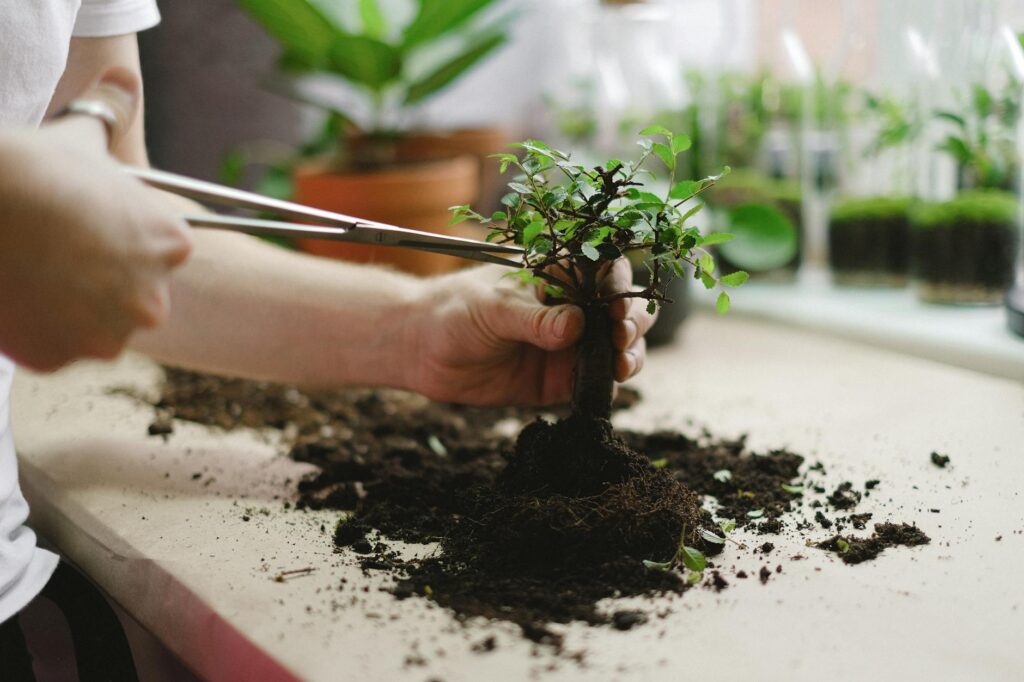
Money-saving rule: Do not buy the big planter first. If the plant eventually needs more space, move only one size up. That is safer for the roots and cheaper for your budget. (extension.umn.edu)
Set it up in 20 minutes
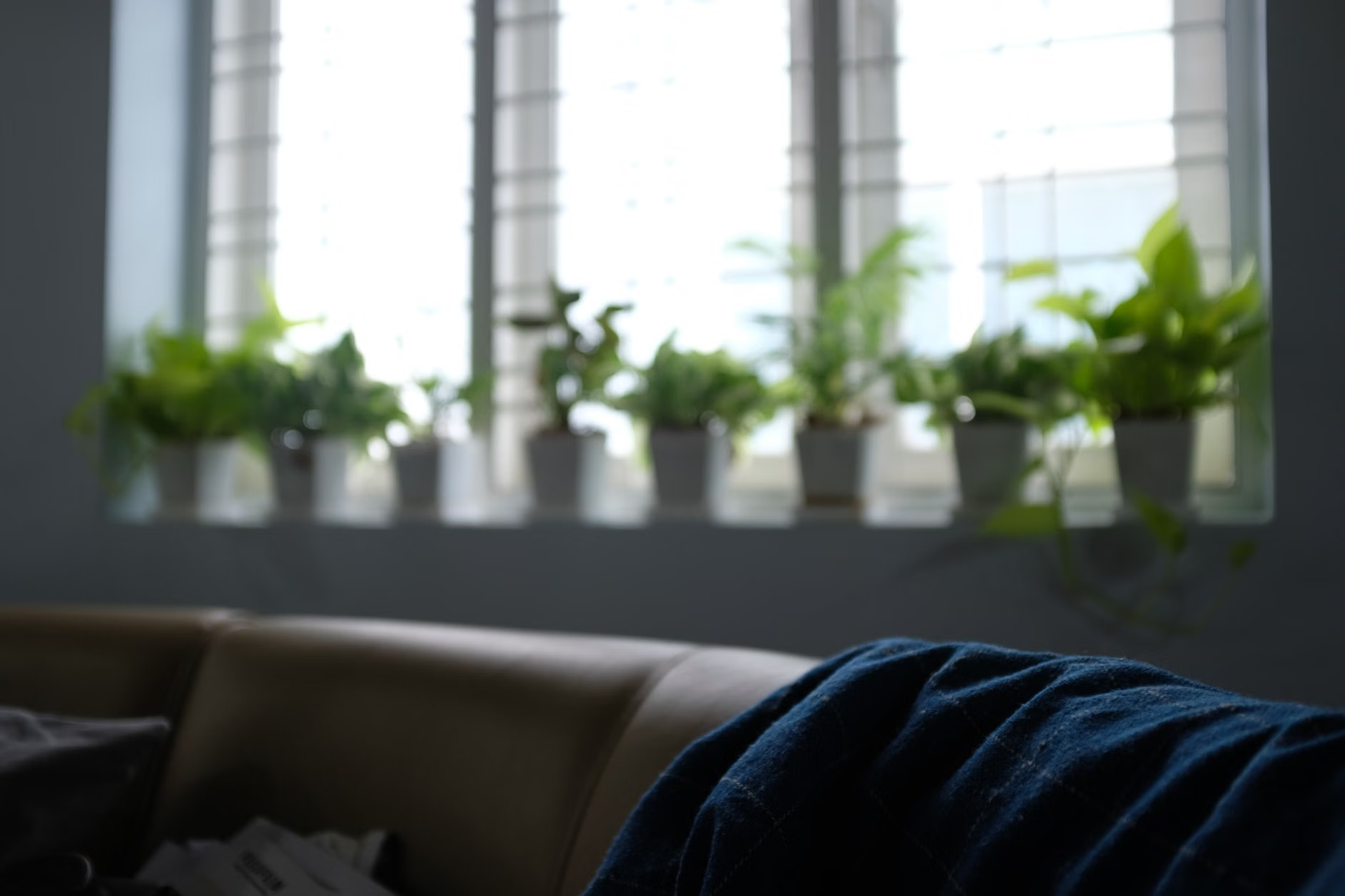
- Pick the window first. North is usually low light, east is moderate and gentle, and south is strongest. Choose the plant to fit that space, not the other way around. (extension.umd.edu)
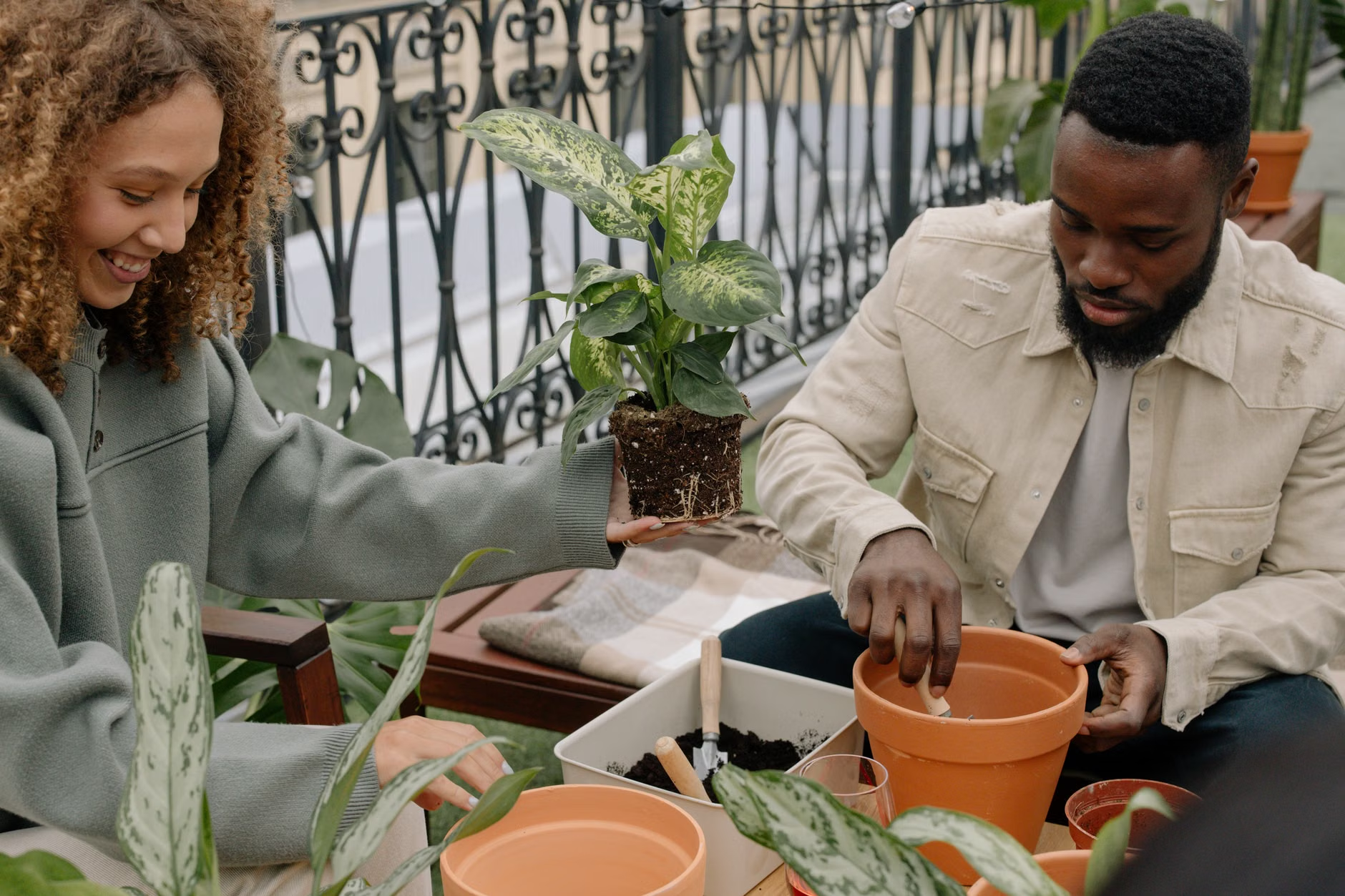
- Leave the plant in its nursery pot unless roots are severely crowded, emerging from drainage holes, or the soil has clearly broken down. Many new plants do not need immediate repotting. (extension.umn.edu)
- Set the nursery pot on a saucer or inside a cachepot. Water at the sink until water drains out, then let the excess finish draining before putting the plant back. Never leave it sitting in runoff. (extension.umd.edu)
- Create a checking routine, not a watering schedule. Twice a week, test the top inch or two of soil and lift the pot to see whether it feels lighter than usual. Water only when the plant actually needs it. (extension.umd.edu)
- Wait on fertilizer and upsizing. If the plant is not actively growing, extra fertilizer and a too-large pot add more risk than value. (extension.umd.edu)
- Inspect it weekly when you water. Look at the top and underside of leaves, the saucer, and the soil surface so pests do not become a collection-wide problem. (extension.umn.edu)
Common mistakes that make apartment plants expensive
- Buying a plant for the photo instead of the window. Low-light apartments do not turn into herb gardens just because the container looks good. Most herbs want at least six hours of direct sun, and many indoor herb setups need artificial light to stay full. (extension.umn.edu)
- Repotting immediately into a much larger planter. Too much extra soil can stay wet too long and raise root-rot risk. A plant that needs repotting usually wants only one size up, not a dramatic upgrade. (extension.umn.edu)
- Watering every Saturday because that feels responsible. Extension guidance specifically warns against watering on a fixed schedule. (extension.umd.edu)
- Letting water sit in saucers or cachepots after watering. Roots need air as much as moisture. (extension.umd.edu)
- Skipping the pre-purchase inspection and quarantine. New plants are a common way pests enter an apartment. Check them closely and isolate new arrivals for a week or two if you already own plants. (extension.umn.edu)
- Starting with fussy humidity lovers in a dry apartment. If winter air is dry and you are not prepared to monitor humidity, choose sturdier foliage plants instead of forcing a fern setup. (extension.umn.edu)
When the easy plan is not enough
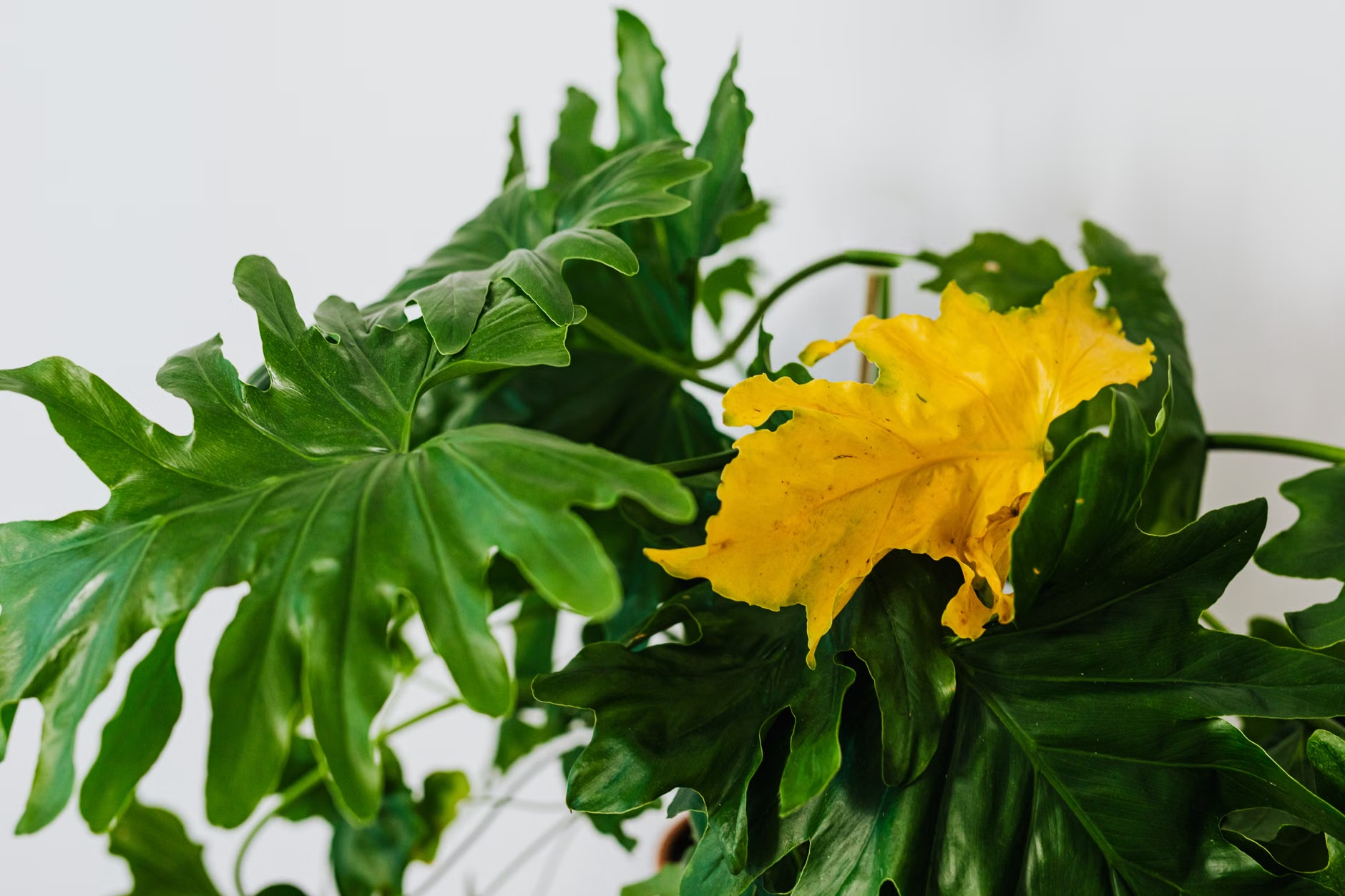
If the room is darker than you thought, do not buy more plants. Fix the light for one plant first. Leggy stems, pale leaves, leaf drop, and fading variegation are classic signs of insufficient light. A basic full-spectrum LED on a timer for about 12 to 14 hours can be enough for foliage houseplants, and University of Minnesota guidance notes that you do not need a complicated specialty setup for simple indoor lighting. (extension.umn.edu)
If what you really want is edible apartment gardening, admit that early. Herbs are a different assignment from pothos or snake plant. Most culinary herbs want at least six hours of direct sun, usually do best in a south or west exposure, and often need around 12 hours of artificial light indoors to avoid thin, weak growth. A dim kitchen window is not a bargain if it turns every basil plant into compost. (extension.umn.edu)
If travel or forgetfulness is the real issue, shrink the collection before you buy tools. One snake plant in the right light is easier than four mixed plants with different needs. If you keep choosing plants that want steady moisture but routinely let them dry too far, the better backup plan is changing the plant list, not blaming yourself. (extension.umd.edu)
If pests show up anyway, act early. University extension guidance recommends nonchemical steps first for minor infestations: isolate the plant, wash or wipe leaves, spray smaller plants in the sink or shower, prune badly infested growth, and only then consider pesticides labeled for indoor plants. In many cases, early action is cheaper and more effective than trying to rescue a whole shelf later. (extension.umn.edu)
How to pressure-test your setup in the first month
- Week 1: Check whether the plant is drying at the pace you expected. If the soil is still soggy days later, you may need less water, more light, or a more porous mix. (extension.umd.edu)
- Week 2: Look for light stress. Stretching, pale growth, leaf drop, or fading variegation usually means the plant needs more light. Bleached or scorched patches can mean too much direct sun. (extension.umn.edu)
- Week 3: Check the roots indirectly. If water races through, roots are emerging from the drainage holes, or the plant tips easily, it may be ready for fresh soil or a slightly larger pot. (extension.umn.edu)
- Week 4: Audit the total time and cost. If the plant feels like work, simplify. Fewer plants, smaller pots, and better light usually beat more gadgets.
- Any week: Inspect leaf undersides, saucers, and nearby surfaces for webbing, sticky residue, or insects. Catching pests early is cheaper than rescuing a whole collection. (extension.umn.edu)
Bottom line
The beginner plant setup that works in an apartment is not the prettiest one in the store. It is the one that respects your light, your schedule, and your budget. Start with one or two small plants, insist on drainage, use the SILL Score before you buy, and treat a grow light as a backup tool instead of a required first purchase. If you can keep a plant healthy for a month in its simplest form, then spend more. Not before. (extension.umd.edu)
FAQ
Should I repot a houseplant as soon as I bring it home?
Usually no. If the plant is stable, let it adjust first. Repot when roots are crowding the pot, emerging from drainage holes, or the soil has clearly broken down. When you do repot, move only one size larger. (extension.umn.edu)
Do I need a grow light if I have one bright window?
Not necessarily. Sunlight is still best for plant growth, and many common foliage plants do fine when their light needs match the window. Add artificial light when the plant shows low-light symptoms or when your space is truly dim. (extension.umd.edu)
What is the easiest beginner plant if I forget to water?
In lower-light apartments, snake plant is a common first pick because it tolerates low light and some dryness better than many houseplants. In brighter spots, cacti and succulents can also be easy, but only if the light is strong and the mix drains quickly. (extension.umd.edu)
Can I use a decorative pot with no drainage hole?
Yes, but it is safer as an outer cachepot, not the pot you plant directly into. Keep the plant in a draining inner pot, water separately, and empty any extra water before putting it back. (extension.umd.edu)
How do I know whether a pet-safe setup matters for me?
If a cat or dog can reach or chew the plant, it matters from day one. ASPCA lists pothos and snake plant as toxic to cats and dogs, while spider plant is listed as non-toxic. (aspca.org)
Can I start with herbs instead of houseplants?
Yes, but that is a higher-light project. Most herbs want at least six hours of direct sun or about 12 hours of artificial light indoors, so a dim kitchen window is usually not enough. (extension.umn.edu)
References
- University of Maryland Extension: Selecting Indoor Plants – https://extension.umd.edu/resource/selecting-indoor-plants
- University of Maryland Extension: Watering Indoor Plants – https://extension.umd.edu/resource/watering-indoor-plants
- University of Maryland Extension: Lighting for Indoor Plants – https://www.extension.umd.edu/resource/lighting-indoor-plants
- University of Maryland Extension: Potting and Repotting Indoor Plants – https://www.extension.umd.edu/resource/potting-and-repotting-indoor-plants
- University of Maryland Extension: Fertilizer for Indoor Plants – https://extension.umd.edu/resource/fertilizer-indoor-plants
- Clemson Extension HGIC: Indoor Plants – Soil Mixes – https://hgic.clemson.edu/factsheet/indoor-plants-soil-mixes/
- University of Minnesota Extension: Lighting for Indoor Plants – https://extension.umn.edu/planting-and-growing-guides/lighting-indoor-plants
- University of Minnesota Extension: Winter Houseplant Tips – https://extension.umn.edu/news/winter-houseplant-tips
- University of Minnesota Extension: Spring Houseplant Care – https://extension.umn.edu/houseplants/spring-houseplant-care
- University of Minnesota Extension: Managing Insects on Indoor Plants – https://extension.umn.edu/product-and-houseplant-pests/insects-indoor-plants
- University of Minnesota Extension: Growing Herbs in Home Gardens – https://extension.umn.edu/vegetables/growing-herbs
- ASPCA: Golden Pothos – https://www.aspca.org/pet-care/aspca-poison-control/toxic-and-non-toxic-plants/golden-pothos/