- Most winter houseplant losses in apartments come from a mix of dry air, lower light, and unchanged watering habits, not humidity alone. (extension.umd.edu)
- Do not water on a fixed weekly schedule. Check the soil and the weight of the pot instead, because plants usually use less water in winter. (extension.umd.edu)
- Fix placement and light before buying gadgets. A plant next to a vent, radiator, or weak window will not be rescued by misting alone. (extension.umd.edu)
- Local humidity tools can help humidity-loving plants, but pushing the whole apartment too humid can create condensation and mold problems. (extension.psu.edu)
- If your apartment is predictably dry and dim every winter, choosing tougher plants may cost less than repeatedly replacing stressed ones. (extension.umd.edu)
Dry winter air is only part of the problem. In many apartments, winter becomes a four-way stress test: indoor humidity drops, daylight weakens, heaters create hot or drafty zones, and people keep watering as if it were July. That is why a plant can have crispy edges and still be getting too much water at the roots. (extension.psu.edu)
If you rent, the budget angle matters too. Replacing a few $20 to $40 houseplants every winter is an expensive way to avoid fixing the real issue. In most apartments, the smart order is simple: change the free variables first, measure the room second, and buy equipment only if the plant and the space truly justify it. Lower winter light also means slower growth and lower water use, which is why environment usually matters more than impulse spending here. (extension.umn.edu)
Start with the WINTER Audit
Before you buy a humidifier, run each struggling plant through this WINTER Audit. It forces you to check the variables that Extension guidance keeps pointing back to: watering, indoor humidity, drafts and heat, light, drainage, and whether the plant actually fits the room. Score each line from 0 to 2. (extension.umd.edu)
- W = Watering behavior. Give 0 points if you water by calendar. Give 1 point if you use a finger test. Give 2 points if you check soil plus pot weight and never leave runoff sitting in the saucer. (extension.umd.edu)
- I = Indoor humidity. Give 0 points if you have not measured the room or it stays below 30 percent. Give 1 point if it is around 30 to 40 percent or you provide local humidity help. Give 2 points if the room is reasonably suited to the plant or you are growing a dry-air-tolerant plant. (extension.psu.edu)
- N = Nearby heat or drafts. Give 0 points if the plant sits over a radiator, under a vent, beside a drafty window, or near a door that blasts cold air. Give 1 point if it is near a stress point but not directly in it. Give 2 points if temperatures stay stable and the plant is away from forced air. (extension.umd.edu)
- T = True light. Give 0 points if the plant sits deep in the room or stretches hard toward a weak window. Give 1 point if it gets decent natural light part of the day. Give 2 points if it gets bright indirect light or a consistent full-spectrum LED for about 12 to 14 hours, without exceeding 16 hours. (extension.umd.edu)
- E = Exit drainage. Give 0 points if the pot has no drainage hole or decorative outer pots trap water. Give 1 point if the pot drains but runoff often stays in the saucer. Give 2 points if water drains freely and extra water is dumped promptly. (extension.umd.edu)
- R = Right plant for the room. Give 0 points if you are trying to overwinter a humidity-hungry plant in a dry apartment. Give 1 point if the fit is possible with extra help. Give 2 points if the plant naturally tolerates lower light or drier indoor conditions, such as snake plant, ZZ plant, cast iron plant, pothos, philodendron vine, aloe, or kalanchoe. (extension.umd.edu)
How to use the score: 0 to 5 means rescue mode; fix the basics before you spend money. 6 to 8 means the plant is close, but one missing variable is probably dragging it down. 9 to 12 means your setup is broadly sound, and the plant may need only a targeted tweak or a species-specific adjustment. The big rule here is simple: fix the cheapest variable that changes the plant’s water demand before you buy gear. (extension.umd.edu)
Choose the cheapest fix that matches the symptom
| What you see | Likely problem | Cheapest move first | If that fails |
|---|---|---|---|
| Brown edges on a fern or other humidity-loving plant | Dry air or moving hot air | Move it away from vents or radiators, group plants, or use a pebble tray or terrarium | Use a small humidifier near the plant or switch to a tougher species |
| Yellow leaves and wet soil | Too much water or poor drainage | Stop schedule watering, empty saucers, and let the root zone dry appropriately | Repot into a draining mix or restart from healthy cuttings if roots are mushy |
| Long, weak growth leaning hard toward a window | Not enough light | Move closer to the best workable window or add a lamp | Choose a lower-light plant if the room cannot deliver enough light |
| Fine webbing, pale stippling, or dusty-looking foliage | Spider mites on a stressed plant | Isolate, rinse foliage, and inspect the undersides of leaves | Use a plant-safe control or discard a badly infested plant to protect the rest |
| Pot dries out almost immediately and roots circle the pot | Root-bound plant or worn-out potting mix | Refresh soil or move up one pot size with drainage | Divide or propagate if the plant is too large for the space |
Notice what is not first on that table: fertilizer, premium gadgets, or a larger decorative pot. In winter, most indoor plants do not need fertilizer because lower light and temperature slow growth. A bigger pot can also make an already wet root zone worse. Get the plant’s location, light, and watering under control first. (extension.umd.edu)
A realistic winter rescue plan, with numbers
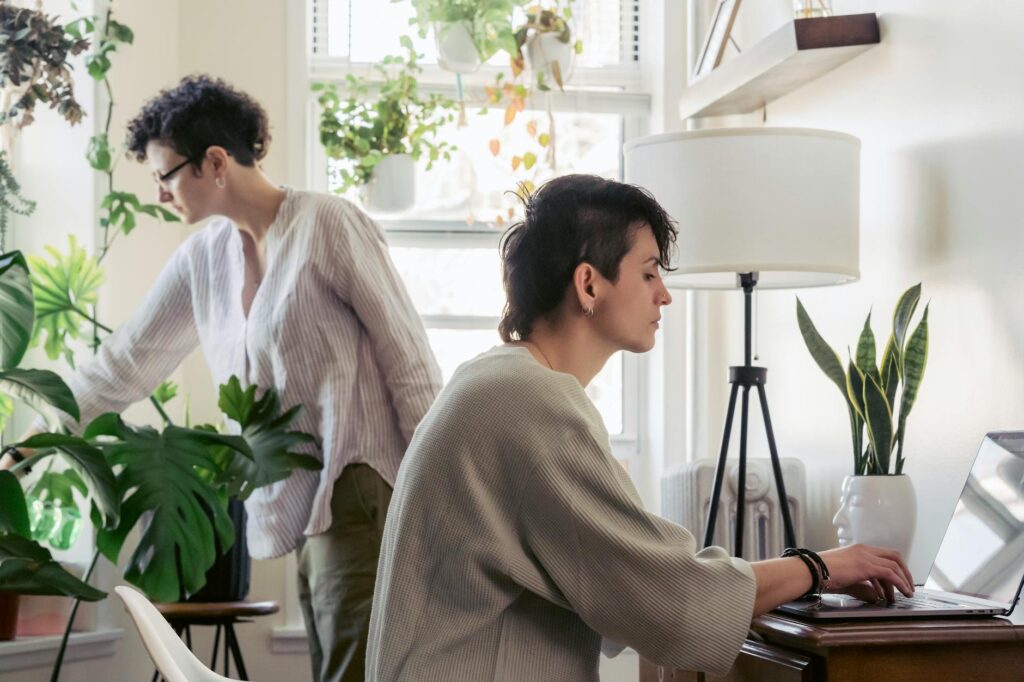
Here is an illustrative example. A renter in a 600-square-foot apartment has five plants and keeps losing two $24 ferns and one $32 humidity-loving plant each winter. The first impulse is to buy a large humidifier. Instead, the renter tries a cheaper sequence: a $12 hygrometer, a $22 clamp lamp, a $15 full-spectrum LED bulb, and about $10 for pebbles and saucers. One plant moves away from a radiator, one moves closer to the window, and watering shifts from every Sunday to soil-and-weight checks. One finicky plant still declines and gets replaced with a $28 ZZ plant that better matches the room. Total spend in this example: $59, versus $80 just to replace the failed plants once. The point is not the exact price. It is the order of decisions: measure, move, light, water, then buy equipment.
Cost figures in the example are illustrative only. Actual retail prices vary by seller, apartment size, and how many plants you are trying to save.
When humidity is the right fix, and when it is not
Humidity matters most when the plant is humidity-hungry and the other basics are already reasonable. Penn State notes that homes heated in winter can easily fall below 30 percent relative humidity, while the general indoor range often cited for homes is 30 to 60 percent. University guidance also notes that many houseplants benefit from more humidity than a typical heated room provides in winter. Start with local fixes: move the plant away from forced air, group plants, try a pebble tray, or use a terrarium for the fussy few. If those do not get the job done, a small humidifier placed near the plant is usually more efficient than trying to make the whole apartment tropical. Daily misting should be treated as optional, not primary, because its humidity benefit is limited or uncertain. (extension.psu.edu)
Do not chase rainforest humidity in an apartment without watching the room itself. If windows are sweating or the apartment rises much above about 60 percent relative humidity, back off. Too much moisture indoors can contribute to condensation, mildew, and mold problems. (extension.umn.edu)
Plants that match a dry apartment better
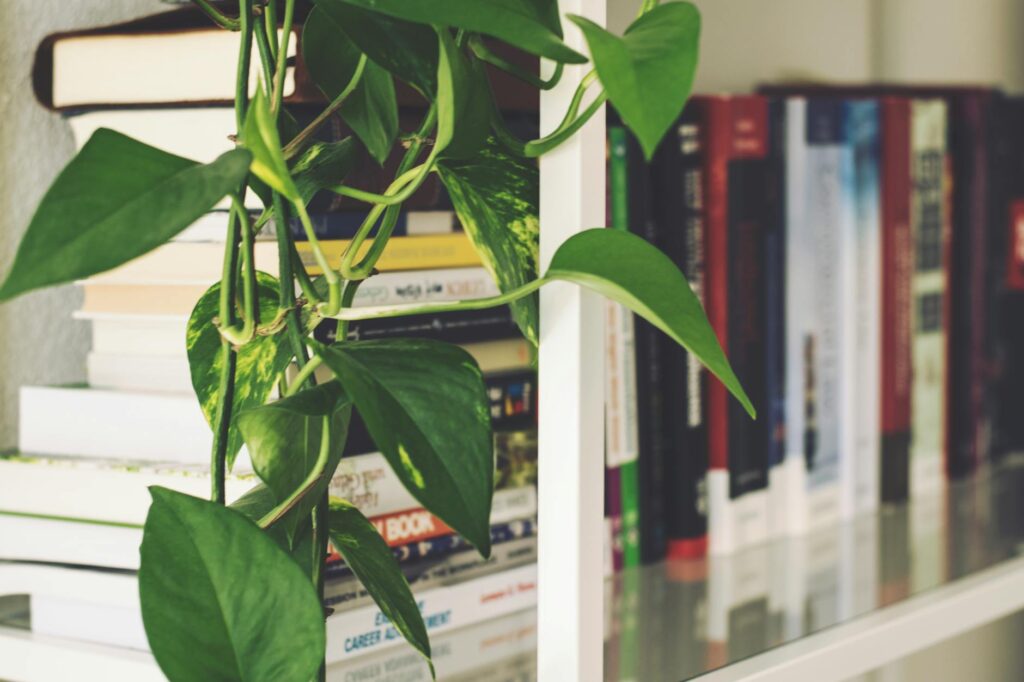
- Best bets for dry apartments: snake plant, ZZ plant, cast iron plant, pothos, philodendron vine, aloe, and kalanchoe. These are repeatedly flagged by Extension sources as forgiving choices because they tolerate lower light, drier indoor air, or longer dry intervals better than many tropical foliage plants. (extension.psu.edu)
- Plants to buy only if you can create a better microclimate: many ferns, carnivorous plants, Norfolk pine, and other humidity-loving species. In a heated apartment, they often need localized humidity, steadier temperatures, or both. (extension.umn.edu)
- Cacti and many succulents are the exception to the humidity rule. They tolerate dry indoor air, but they still need bright light and even less water in winter. (extension.umd.edu)
Common mistakes that quietly kill plants in January
- Watering every Saturday because that is the routine. Winter watering on a schedule is one of the fastest ways to overwater. (extension.umd.edu)
- Treating crispy leaves as proof the soil needs more water. Dry edges can come from low humidity, hot drafts, salt buildup, or root stress, not just thirst. (extension.psu.edu)
- Leaving the plant on a cold sill above a radiator or beside a heat vent. Sudden temperature swings and drying air are a bad mix for many indoor plants. (extension.umd.edu)
- Relying on misting as the main humidity plan. It may help a little at the leaf surface, but it is not a dependable substitute for better placement or real humidity control. (extension.psu.edu)
- Fertilizing in midwinter to force growth. Most indoor plants do not need fertilizer then, and excess fertilizer can contribute to salt buildup and weak growth. (extension.umd.edu)
- Letting pots sit in runoff water. That keeps the root zone too wet and raises the risk of root problems. (extension.umd.edu)
- Ignoring pests because the leaves just look dry. Spider mites and other indoor pests often take advantage of stressed plants. (extension.umd.edu)
What to do when the room simply will not cooperate
Some winter setups are just bad matches for certain plants. If your room is dim, the heat source is unavoidable, and humidity stays under 30 percent, a fern may need both a lamp and localized humidity or a terrarium to make it through the season. That does not mean you failed. It means the plant-room match is weak. From a budget standpoint, repeated rescue spending on a bad match is usually worse than a planned switch to a plant that actually suits the apartment. (extension.psu.edu)
- If the plant wilts while the soil stays wet, suspect root damage rather than thirst. Winter overwatering can lead to root rot, and badly damaged roots can cause wilting even in wet soil. Check roots, cut away mushy material, and repot into a draining mix, or take healthy cuttings and start over if the crown is gone. (extension.umd.edu)
- If light is the bottleneck, solve that before buying premium humidity gear. Lower winter light leads to stretching and lower water use. (extension.umd.edu)
- If only one or two plants need tropical conditions, create a microclimate. A bathroom shelf, terrarium, cabinet, or one-room humidifier is usually more sensible than humidifying the whole apartment. (extension.umn.edu)
- If you are tired of triage, lower the difficulty level. Buy plants that are proven to tolerate dry indoor conditions instead of plants that require steady humidity and bright winter light. (extension.psu.edu)
Run a 14-day proof check
- Measure the room, not your guess. Check humidity at plant level for a week. If it routinely stays below 30 percent, treat humidity as a real variable instead of a vague suspicion. (extension.psu.edu)
- Before every watering, use the two-inch finger test and lift the pot. If the top looks dry but the pot still feels heavy, wait. (extension.umd.edu)
- Take one photo each week in the same light. You are looking for fewer new brown edges, no new yellowing from the base, and tighter growth instead of stretched stems. (extension.umd.edu)
- Inspect leaf undersides and stem joints. Fine webbing, stippling, sticky residue, or moving dots mean pests may be amplifying winter stress. (extension.umd.edu)
- If you added a lamp, keep it consistent. A full-spectrum LED is fine; around 12 to 14 hours works for many houseplants, and plants still need a dark period. (extension.umn.edu)
- Change one variable at a time unless the plant is clearly rotting or badly infested. Extension guidance recommends making small changes and watching the response before drastic moves. (extension.psu.edu)
Bottom line
The cheapest winter plant strategy is usually the right one: stop schedule watering, get the plant away from vents and radiators, improve light, measure humidity, and only then decide whether localized humidity or a different plant makes sense. In a dry apartment, survival often depends less on heroic care and more on matching the plant to the room. (extension.umd.edu)
FAQ
Is misting enough for a dry apartment?
Usually not. University guidance says misting has a questionable or short-lived effect on humidity. Grouping plants, pebble trays, terrariums, or a humidifier near the plant are more practical options when humidity is truly the issue. (extension.psu.edu)
How often should I water indoor plants in winter?
There is no fixed schedule that works for every plant. Winter is when overwatering causes many indoor plant problems, so check the soil and the weight of the pot before watering. Most plants use less water when winter light is weak. (extension.umd.edu)
Should I fertilize houseplants in winter?
Usually no. University of Maryland Extension says most indoor plants do not need fertilizer during the winter months because reduced light and temperature reduce growth, and fertilizing then can harm some plants. (extension.umd.edu)
Which houseplants are most realistic for a very dry apartment?
Good low-drama choices include snake plant, ZZ plant, cast iron plant, aloe, kalanchoe, pothos, and philodendron vine. They tend to tolerate drier indoor conditions or lower light better than many humidity-loving tropicals. (extension.psu.edu)
When is a humidifier actually worth it?
It is worth considering when a hygrometer shows low humidity, the plant truly prefers higher humidity, and you have already corrected light, drafts, and watering. Use local humidity first and monitor the room so you do not create window condensation or excess moisture problems. (extension.psu.edu)
Why are leaf tips brown even though I water regularly?
Brown tips can come from dry air, mineral salt buildup, or root stress from too much water. If you see crusty residue on the soil or pot, flush the pot thoroughly and let it drain. University of Maryland Extension also notes that softened water has higher mineral content and should be avoided for houseplants. (extension.umd.edu)
References
- Penn State Extension: Humidity and Houseplants – https://extension.psu.edu/humidity-and-houseplants/
- University of Minnesota Extension: Winter houseplant tips – https://extension.umn.edu/news/winter-houseplant-tips
- University of Maryland Extension: Watering Indoor Plants – https://extension.umd.edu/resource/watering-indoor-plants
- University of Maryland Extension: Temperature and Humidity for Indoor Plants – https://extension.umd.edu/resource/temperature-and-humidity-indoor-plants
- University of Maryland Extension: Winter Indoor Plant Problems – https://www.extension.umd.edu/resource/winter-indoor-plant-problems
- University of Maryland Extension: Low Light Impacts on Indoor Plants – https://extension.umd.edu/resource/low-light-impacts-indoor-plants
- University of Maryland Extension: Selecting Indoor Plants – https://extension.umd.edu/resource/selecting-indoor-plants
- University of Maryland Extension: Fertilizer for Indoor Plants – https://extension.umd.edu/resource/fertilizer-indoor-plants
- Penn State Extension: To Buy or Not to Buy – The Gear Your Houseplants Really Need – https://extension.psu.edu/programs/master-gardener/news/to-buy-or-not-to-buy-the-gear-your-houseplants-really-need
- Penn State Extension: Houseplant Selection – https://extension.psu.edu/houseplant-selection/
- University of Minnesota Extension: Controlling moisture problems in your home – https://extension.umn.edu/moisture-and-mold-indoors/do-you-have-too-much-moisture-your-home