TL;DR
- You do not need toxic trend plants to get a high-end apartment look. Parlor palm, areca palm, calathea, cast iron plant, Hoya carnosa, spider plant, and several peperomias are listed by ASPCA as non-toxic to cats and dogs. (ASPCA)
- The cheapest mistake is buying by vibe instead of fit. The right plant matches your light, your care routine, and your pet’s habits. ASPCA also notes that any plant material can still cause vomiting or GI upset if eaten. (ASPCA)
- For most renters, parlor palm and cast iron plant are the easiest low-light luxury picks. Areca palm and calathea work better in brighter rooms with steadier care. (NC State Extension)
- A plant looks expensive when it gives you height, shine, pattern, or trailing form. That is why Hoya and peperomia often outperform trendier but riskier plants on a shelf or side table. (NC State Extension)
- Before you buy, verify the scientific name against the ASPCA database. Do not assume every plant sold under a common name like “palm” or “lily” is equally safe. (ASPCA)
If you rent with a cat or dog, the usual “designer apartment” plant list can turn into a money trap. ASPCA lists Monstera deliciosa, pothos, snake plant, and peace lily as toxic to cats and dogs, so the plant that looks great in a styling photo may be exactly the one you do not want in a pet household. (ASPCA)
The better approach is to separate “expensive-looking” from “trendy.” In a small apartment, a plant reads upscale when it adds one of four things: height, glossy foliage, strong pattern, or an intentional trailing shape. Choose a species the ASPCA lists as non-toxic, match it to your actual light, and treat the planter as the finishing touch, not the starting point. ASPCA also warns that even non-toxic plants can still upset a pet’s stomach if chewed, so safe does not mean edible. (ASPCA)
Use the SAFE-LUXE filter before you buy
To keep this practical, use one quick framework: SAFE-LUXE. SAFE is the risk screen. LUXE is the style screen. If a plant fails SAFE, it is not a bargain. If it passes SAFE but adds no visual payoff, it is probably not the best use of your money in a small apartment. The point is to buy once, style once, and avoid both replacement costs and pet stress. ASPCA’s database is useful here because it encourages pet owners to check the plant name carefully rather than trust appearance alone. (ASPCA)
- S = Species verified by scientific name in the ASPCA database, not just a store sign that says “pet safe.” (ASPCA)
- A = Apartment light match. Low-light renters should lean toward parlor palm or cast iron plant. Bright indirect light opens the door to areca, Hoya, and calathea. (NC State Extension)
- F = Friction level. If you forget to water, favor cast iron plant, Hoya, or peperomia over fussier options. (NC State Extension)
- E = Elevation plan. Non-toxic does not mean snack-friendly, so keep tempting foliage out of the easy-chew zone when possible. (ASPCA)
- LUXE score = Add 1 point each for height, shine, pattern, and trailing form. A simple buy rule: choose plants that pass SAFE and score at least 2 LUXE points.
The best pet-safe plants for an expensive-looking apartment
This table does not rank all of the best websites for buying houseplants but instead gives renters choices when selecting a houseplant that will enhance their apartment after furnishing it, and” an appropriate level of cost to avoid purchasing something that creates conflict between them and their rental apartment furnishings, or pets.
| Plant | Why it reads expensive | Best apartment use | Care friction | Who should buy it |
|---|---|---|---|---|
| Parlor palm. (ASPCA) | Soft hotel-lobby height without needing intense sun. | Dimmer living room corner, entry console, or beside a media stand. | Low. | Renters who want one taller floor plant and do not have bright light. |
| Areca palm. (ASPCA) | Feathery, wider silhouette that fills a room fast. | Bright living room near filtered light. | Medium. | Anyone who wants a fuller statement plant in a brighter apartment. |
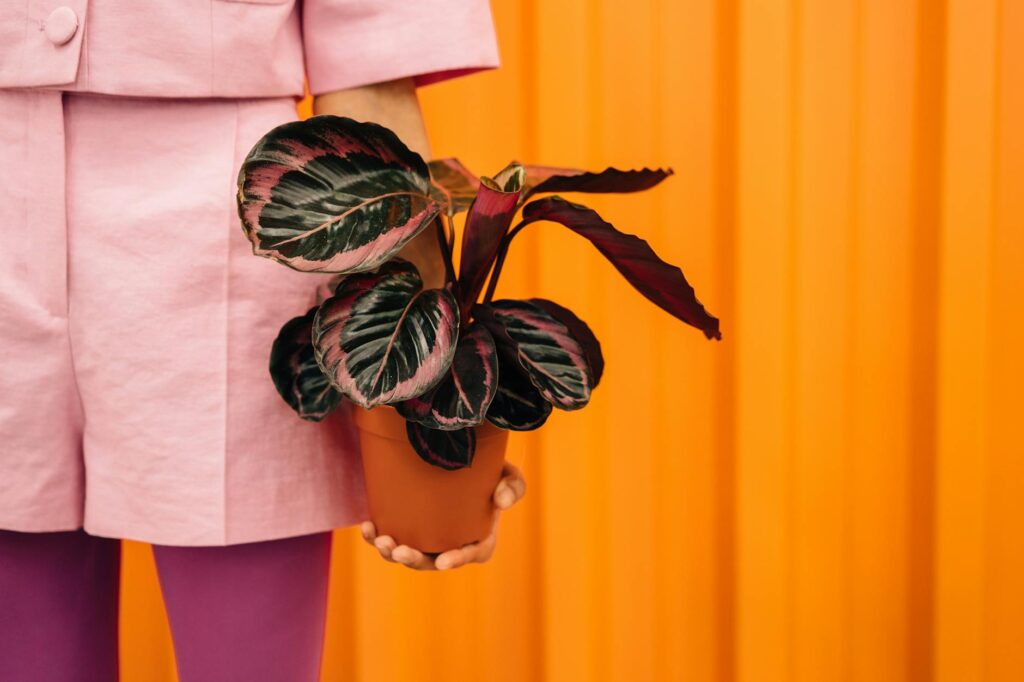
| Calathea orbifolia or another verified calathea. (ASPCA) | Broad striped leaves look designer even before the plant gets large. | Bedroom, office, or bright-indirect corner. | Medium-high. | Readers who care more about leaf pattern than sheer height and will keep moisture consistent. |
| Cast iron plant. (ASPCA) | Deep green upright leaves look tailored, not messy. | Dark corner, hallway nook, or low-light stand. | Low. | Low-light renters and forgetful waterers. |
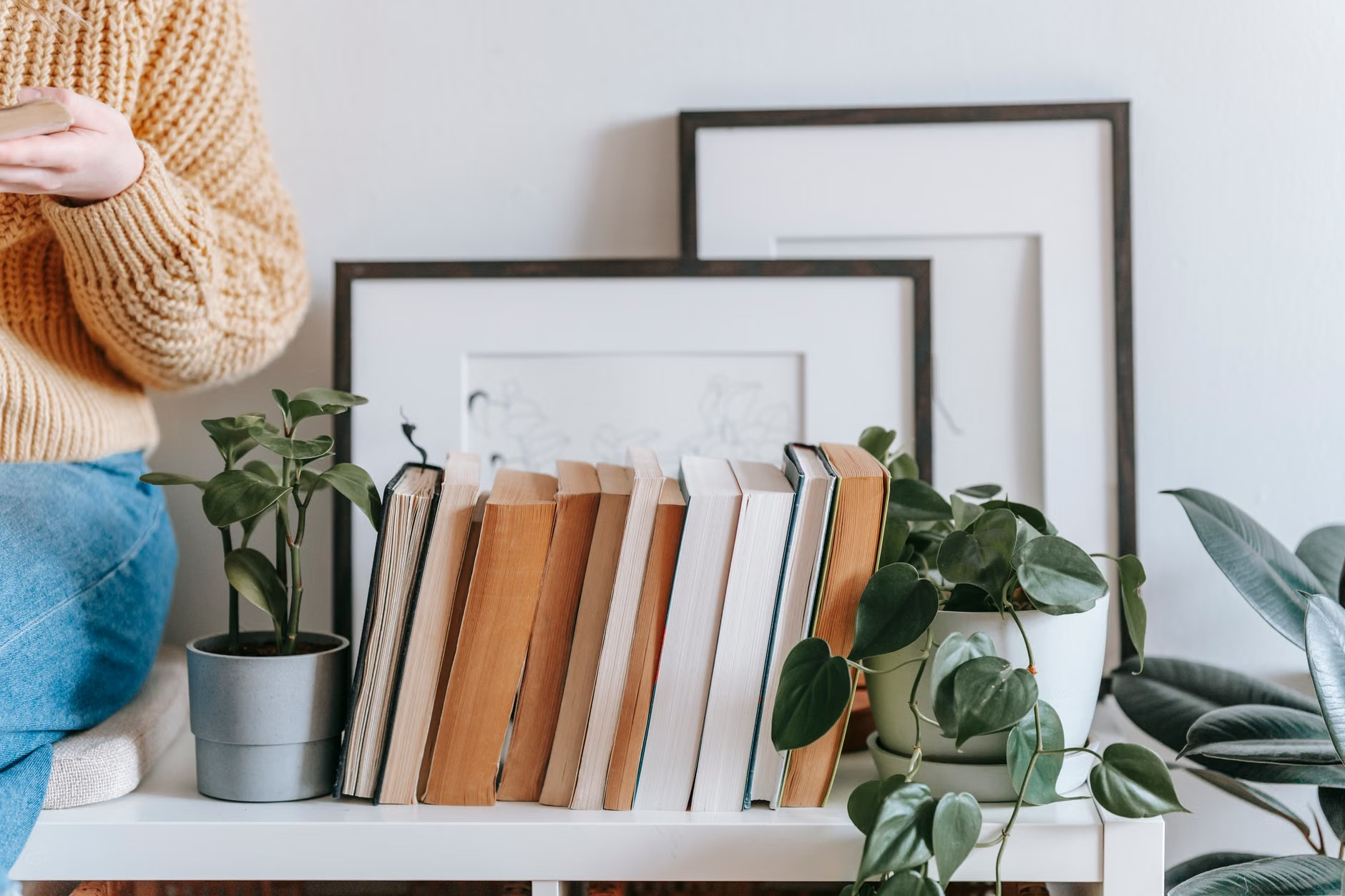
| Hoya carnosa. (ASPCA) | Waxy leaves and trailing stems look intentional on shelves. | Bookcase, wall shelf, or hanging planter with bright indirect light. | Low-medium. | People who want sculptural drape instead of a floor plant. |
| Peperomia, especially baby rubber plant or ripple types. (ASPCA) | Glossy or textured leaves give tabletop polish in a compact footprint. | Desk, nightstand, side table, or bathroom with good indirect light. | Low. | Small-apartment renters who want a low-risk first plant. |
| Spider plant. (ASPCA) | Airy and useful, but more casual than formal. | Hanging basket, laundry room shelf, or secondary accent spot. | Low. | Readers who want a supporting plant rather than the main luxury statement. |
Where each pick works hardest
For dim rooms that still need presence
Parlor palm is one of the safest ways to make a room feel more finished when your light is mediocre. ASPCA lists it as non-toxic, and NC State notes that it handles dry air and dimmer interior conditions better than many other palms. Cast iron plant is the sturdier backup if you have a truly dark corner and a neglect-heavy routine; it prefers shade, dislikes direct sun, and can tolerate a more relaxed watering schedule. (ASPCA)
For brighter corners that need drama
If your room gets bright filtered light, areca palm gives the strongest “hotel lobby” effect for the money because its arching fronds create width as well as height. Calathea orbifolia gives a more boutique look: broad striped leaves, compact footprint, strong pattern. The trade-off is maintenance. Areca wants bright indirect light and moisture without soggy soil, while calathea is fussier about even moisture, humidity, and staying out of drafts. (ASPCA)
For shelves and side tables
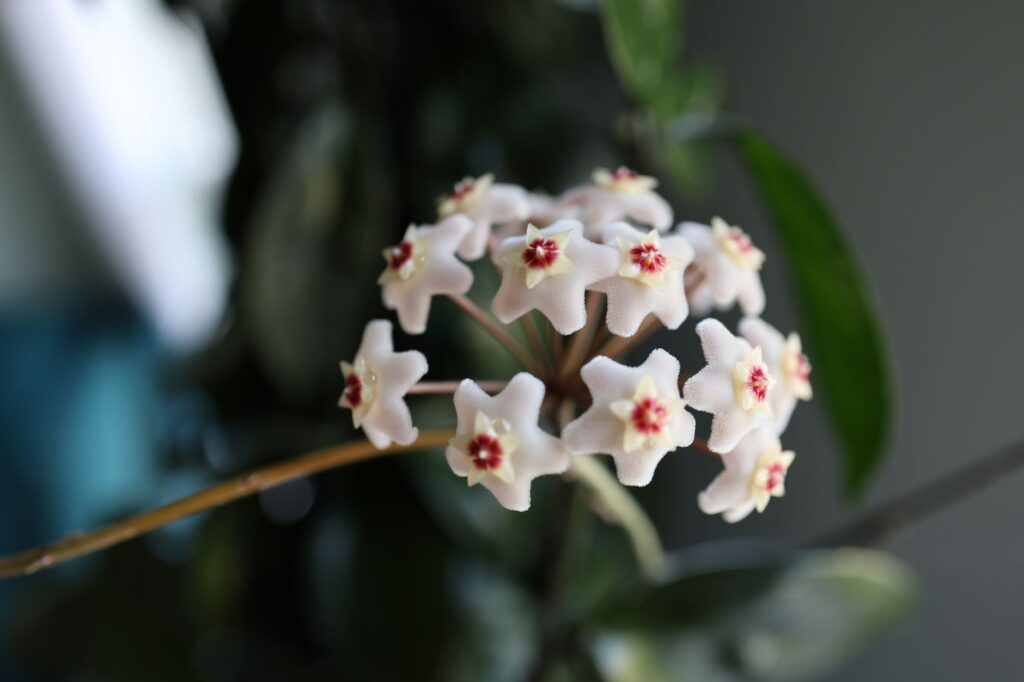
Hoya carnosa and peperomia outperform a lot of trendier toxic vines once you factor in pet safety, upkeep, and small-space styling. ASPCA lists Hoya carnosa and peperomias such as baby rubber plant and green ripple peperomia as non-toxic. NC State describes Hoya as happiest in bright indirect light with a loose, fast-draining mix and time to dry between waterings. Peperomia stays compact, tolerates bright indirect light and some lower light, and its fleshy leaves make it more forgiving if you occasionally miss a watering. (ASPCA)
Spider plant is a solid backup if you want movement from a hanging planter, but it works better as a supporting player than the star. ASPCA lists it as non-toxic, and NC State says it handles medium light and some shade, though direct sun can scorch it. Visually, it reads more relaxed than luxe, which can be useful if the rest of the room already has structure. (ASPCA)
A realistic $150 setup that looks finished
Here is the kind of plan that works in real life. Say you have a one-bedroom apartment, one cat, one east-facing living room window, and a $150 plant-and-decor budget. The tempting move is one oversized statement plant plus one expensive planter. The smarter move is layering: one floor plant for height, one medium plant for structure, and one small glossy plant for detail.
An example budget could look like this: parlor palm in an 8-inch nursery pot for $38, cast iron plant for $28, ripple peperomia for $16, three simple cachepots for $20, $18, and $12, plus a basic stand for $18. Total: $150. The room now has vertical shape, deep green leaves, and a tabletop accent instead of one single plant trying to do all the work. That is the finance angle many readers miss: expensive-looking is usually the result of composition, not one heroic purchase.

How to buy and style them without wasting money
- Measure the actual spot first: the width of the floor area, ceiling clearance, and distance from the nearest window.
- Pick one visual job for each plant. Floor plant = height. Shelf plant = drape. Table plant = shine or texture.
- Buy the healthiest medium-size plant you can afford instead of the tiniest starter or the biggest risky splurge.
- Keep the plant in its nursery pot and drop it inside a cachepot at first. It looks cleaner and preserves drainage.
- Spend on one good planter or stand, not a pile of accessories. One ceramic pot usually looks better than three decorative extras.
- Leave some negative space around the plant. Crowding every surface makes even good plants look cheaper.
Common mistakes that make a safe plant feel cheap
- Buying by common name only. ASPCA specifically advises checking the plant name carefully because the database is based on plant identity, not just what the label says in a store. (ASPCA)
- Seeing the word “palm” and assuming every palm is safe. Areca and parlor palm are listed as non-toxic, while sago palm is toxic and can cause severe illness. (ASPCA)
- Choosing calathea for a dry, dark room because it looked gorgeous at the nursery. It is stylish, but it is not the most forgiving choice on this list. (NC State Extension)
- Putting every dollar into the pot and too little into the plant. A struggling plant inside a premium planter still looks cheap.
- Assuming non-toxic means harmless to chew. ASPCA notes that consumption of plant material can still cause GI upset even when the species is considered non-toxic. (ASPCA)
If your pet chews everything, or your apartment fights back
Sometimes first effort fails. Various types of children’s play; Some cats view all plant materials as play,, cause for some rentals to be in dim light, even ‘low-light’ is wishful; Heating units can dry out the room. Both of these points demonstrate why it is important to always have a secondary method of plan execution rather than having simply designed a plan with best possible taste or style.
- If your pet is a chronic chewer, choose thicker-leaf plants like Hoya or peperomia, keep them on shelves or stands, and remember that even non-toxic plants can still cause stomach upset if eaten. (ASPCA)
- If your apartment is truly low light, start with cast iron plant first and parlor palm second. They are the most realistic beauty-to-effort wins here. (NC State Extension)
- If your room is bright but the air is dry, areca can work with more attention, but Hoya or peperomia is usually the lower-maintenance choice. (NC State Extension)
- If you keep killing calathea, stop trying to force the pattern look. Switch to a simpler green plant and let the pot, stand, and placement create the luxury feel.
- If your pet is aggressive with every reachable plant, the honest backup option may be one verified real plant out of reach and a faux floor plant for the look.
How to verify before anything crosses your doorway
- Get the full scientific name from the plant tag or SKU and ignore vague labels like “tropical foliage.” Then search the ASPCA database by that exact name. ASPCA notes that its plant list is not all-inclusive and tells pet owners to check the name carefully. (ASPCA)
- Open one care source from a university extension office or botanical garden to confirm light and watering needs before you pay. NC State Extension is a good model for this. (NC State Extension)
- Inspect the specific plant you are buying: firm leaves, no webbing, no sticky residue, no mushy stems, and no sour smell from the soil.
- Keep the original tag and receipt for at least the first two weeks so you still have the exact plant ID if a problem comes up.
- If the seller cannot tell you the scientific name, skip it. Uncertainty is not worth the risk in a pet household.
Bottom line
For most renters, the best pet-safe plants that still look expensive are parlor palm, cast iron plant, Hoya, and peperomia. If you have brighter filtered light and a steadier care routine, areca palm and calathea can give you even more visual impact. The money-saving move is not finding the rarest plant. It is buying the right plant once, verifying it properly, and styling it well. (ASPCA)
FAQ
What is the best pet-safe floor plant for a low-light apartment?
Parlor palm is the best first pick for most low-light renters because ASPCA lists it as non-toxic and NC State says it tolerates dim interior conditions better than many palms. If your light is especially poor or your watering routine is uneven, cast iron plant is the sturdier backup. (ASPCA)
Is every palm safe for pets?
No. Areca palm and parlor palm are listed by ASPCA as non-toxic, but sago palm is toxic to cats and dogs and can be much more dangerous. Never buy by the word “palm” alone. (ASPCA)
Which pet-safe plant looks the most designer on a shelf?
Hoya carnosa is the strongest shelf pick if you want a sculptural trailing look, while peperomia is better if you want compact polish on a desk or side table. Both are listed as non-toxic by ASPCA. (ASPCA)
Can a spider plant work in an expensive-looking apartment?
Yes, but usually as a secondary plant. ASPCA lists spider plant as non-toxic, and NC State says it adapts to medium light and some shade, but its looser grassy shape reads more casual than formal. Use it to soften a shelf or hanging corner, not as your only statement piece. (ASPCA)
Can I trust a store sign that says a plant is pet-safe?
Not by itself. ASPCA says its plant list is based on plant identity and advises pet owners to check the name carefully. The safest approach is to confirm the scientific name yourself before buying. (ASPCA)
Are peace lilies and snake plants okay if my pet usually ignores plants?
I would not treat them as the default choice for a pet household. ASPCA lists both peace lily and snake plant as toxic to cats and dogs, which means there are safer alternatives if you want a lower-risk home setup. (ASPCA)
References
- ASPCA Toxic and Non-Toxic Plants database – https://www.aspca.org/pet-care/aspca-poison-control/toxic-and-non-toxic-plants?new12=1
- ASPCA Parlor Palm – https://www.aspca.org/pet-care/animal-poison-control/toxic-and-non-toxic-plants/parlor-palm
- ASPCA Areca Palm – https://www.aspca.org/pet-care/animal-poison-control/toxic-and-non-toxic-plants/areca-palm
- ASPCA Calathea – https://www.aspca.org/pet-care/animal-poison-control/toxic-and-non-toxic-plants/calathea
- ASPCA Cast Iron Plant – https://www.aspca.org/pet-care/animal-poison-control/toxic-and-non-toxic-plants/cast-iron-plant
- ASPCA Honey Plant (Hoya carnosa) – https://www.aspca.org/pet-care/aspca-poison-control/toxic-and-non-toxic-plants/honey-plant
- ASPCA American Rubber Plant (Peperomia obtusifolia) – https://www.aspca.org/pet-care/animal-poison-control/toxic-and-non-toxic-plants/american-rubber-plant
- ASPCA Green Ripple Peperomia – https://www.aspca.org/pet-care/aspca-poison-control/toxic-and-non-toxic-plants/green-ripple-peperomia
- ASPCA Spider Plant – https://www.aspca.org/pet-care/animal-poison-control/toxic-and-non-toxic-plants/spider-plant
- ASPCA Sago Palm – https://www.aspca.org/pet-care/animal-poison-control/toxic-and-non-toxic-plants/sago-palm
- ASPCA Monstera deliciosa (Cutleaf Philodendron) – https://www.aspca.org/pet-care/animal-poison-control/toxic-and-non-toxic-plants/cutleaf-philodendron
- ASPCA Pothos (Ivy Arum) – https://www.aspca.org/pet-care/aspca-poison-control/toxic-and-non-toxic-plants/ivy-arum/