Beginner-friendly indoor plants for low light apartments (10 easy picks + simple care)
A practical, beginner-friendly guide to low-light houseplants that can handle dim apartments—plus how to test your light, avoid overwatering, and choose pet-safer options.
If you are an apartment dweller with small windows, north-facing exposure, or buildings obstructing the sun, you can still be successful with indoor plants. The secret is to select the right species that tolerate shade, pair them with the right potting mix, and (most importantly) water less often than you think, because low-light environments lead to slower growth and water usage.
Low light does not mean no light. Even ‘shade tolerant’ plants need some usable daylight (or grow light).
Common beginner’s mistake with low light is overwatering. Use a pot with drainage and let the mix dry to the right depth for you plant.
Best ‘I forget to water’ options are ZZ, snake plants and cast iron plant.
Best pet safer picks (ASPCA) include parlor palm, spider and baby rubber plant (peperomia).
If your plant is stretching, leaves are small, or losing variegation, it’s begging for more light, not more fertilizer.
What ‘low light’ means in an apartment—and how to check yours
When plant labels say ‘low light’, they mean several feet from a window where it isn’t direct sun on the leaves. In most cases, low-light plants do best a couple feet from a window that is not harsh midday sun—especially east- or north-facing window. Some plants can survive deeper into a room and will just grow more slowly (extension.missouri.edu).
A quick ‘no tools’ light check
- Stand where you put the plant in the middle of the day (or when your room is generally brightest). Hold your hand about 12 inches from the wall or a sheet of paper. If you have a sharp dark “cut out” shadow, you are closer to bright light—if it’s soft and fuzzy, you’re in low light. If you see almost no shadow at all, you’re probably in very low light (survival zone).
- Repeat it in 2–3 spots; apartments often have a steep drop-off in usable light just a few feet away from a window.
Important: “Low light” plants still need light. If a spot never gets usable daylight (windowless room, dark hallway), plan on getting a grow light or committing to some fake plants.
How to set up your plants for success in low light (the beginner-proof potting method)
Use a pot with a drainage hole. Soil dries slowly in low light; drainage is your safety net. Use a pot only slightly larger than the root ball (oversized pots stay wet longer). Use a well-draining indoor potting mix—and for drought tolerant plants (snake plant, ZZ plant) add a little extra perlite to reduce “wet feet.” Do not use “rocks in the bottom of the pot” as a drainage hack: this usually ends up just creating a perched water zone that roots sit in. Plan for a simple watering trigger (finger test or wooden skewer). Low light = fewer waterings, not smaller waterings.
10 low light apartment friendly indoor plants
All of the plants below tolerate shade, cope with normal indoor conditions, and are also widely available. “Pet notes” echoes standard warnings from the ASPCA (always verify the specific plant and scientific name prior to purchase). (rhs.org.uk)
| Plant (common name) | Why it works in low light | Beginner watering rule | Best apartment placement | Pet notes |
|---|---|---|---|---|
| ZZ plant (Zamioculcas zamiifolia) | Stores water in thick rhizomes; handles deep shade and missed waterings. | Let soil dry out completely; water sparingly, especially in winter. | Corners of living rooms, offices, back of rooms with some ambient light. | Toxic if chewed (cats/dogs) |
| Snake plant (Dracaena trifasciata) | Very tolerant of low light; prefers to dry between waterings. | Let soil dry; water lightly; in winter, water very rarely. | Near windows or deeper inside; avoid constant wet soil. | Low-severity poison characteristics |
| Cast iron plant (Aspidistra elatior) | Built for shade; slow growth means forgiving care. | Water only after the mix dries; slower in winter. | Hallways, north-facing rooms, “awkward” dim spots. | Pet toxicity varies by household; verify before buying |
| Chinese evergreen (Aglaonema) | Classic low-light foliage plant used in homes and offices. | Water when the top inch dries; avoid soggy mix. | Bedrooms and living rooms with indirect light. | Often listed as toxic if ingested; verify if you have pets |
| Peace lily (Spathiphyllum) | Tolerates shade; stays attractive with consistent moisture. | Keep evenly moist but not soggy; let it dry slightly between waterings. | Bathrooms, low-light rooms | Poisonous if chewed (cats/dogs/people) |
| Pothos/devil’s ivy (Epipremnum aureum) | Hardy vine that tolerates low light; easy to propagate | Water when top portion dries; slightly dry is safer than wet | High shelves, bookcases, hanging planters near a window | Toxic if chewed (cats/dogs) |
| Heartleaf philodendron (Philodendron hederaceum) | Can survive extremely low light for long periods; vining habit hides “slow growth” | Keep slightly moist; reduce watering in winter | Shelves, hanging baskets, or a moss pole in dim rooms | Low-severity poison characteristics |
| Parlor palm (Chamaedorea elegans) | Understory palm that tolerates low light better than many palms | Water when top couple inches feel dry; avoid constant wet soil | North/east window areas; bright shade corners | Non-toxic to cats/dogs (ASPCA) |
| Spider plant (Chlorophytum comosum) | Adaptable; tolerates shade though grows best in medium light | Water when top inch dries; reduce watering in winter | Hanging planters, shelves, or near a bright-shade window | Non-toxic to cats/dogs (ASPCA) |
| Baby rubber plant (Peperomia obtusifolia) | Compact, forgiving plant that tolerates low light for months | Let top layer dry; avoid wet soil | Desks, side tables, shelves in bright shade to low light | Non-toxic to cats/dogs (ASPCA) |
1) ZZ plant (Zamioculcas zamiifolia)
Why do beginners love it? ZZ plant is slow-growing, drought-tolerant, water-storing spiky plant that is easy. It can tolerate very low light (even indoors lit by fluorescent lights), but will grow fuller and faster in bright indirect light. (plants.ces.ncsu.edu)
- Placement tip: Put it in a space where you want a “set it and forget it” plant. Then, ignore the urge to give it water.
- Watering tip: Let the potting mix become completely dry between waterings. Don’t worry about a winter schedule; one a month is sufficient for most homes.
- Common mistake: Watering on a schedule. Danger of root rot.
2) Snake plant (Dracaena trifasciata)
This is one of the most forgiving low-light houseplants and tolerates very low light; it even handles some direct sun. The drainage should be excellent, and the potting mix should be dry between waterings. In winter, many folks just water every 1–2 months. (plants.ces.ncsu.edu)
- Placement tip: An ideal plant for narrow spaces (beside a couch, near a TV console); it grows upright.
- Beginner cue: Wait if you are unsure; overwatering is the usual killer.
- Low-light reality: Growth is slower, and new leaves do not normally sprout rapidly in a dimly lit apartment.
3) Cast iron plant (Aspidistra elatior)
This plant rightfully earned its name as it will withstand neglect, abuse, and a low-light environment. It shuns the sun, preferring partial or full shade—your best bet in a dim apartment where other plants wilt. (rhs.org.uk)
- Tip for placement: Try in your hallway, or at the “far wall” of a north-facing room.
- Tip for watering: It likes it even drier than many tropical foliage plants, so wait until the potting mix is dry.
- Banish direct sun—otherwise, suffer leaf scorch.
4) Chinese evergreen (Aglaonema)
A go-to plant for low-light homes and offices, Aglaonema is actually recommended for adding interest in low-light interior areas, and generally prefers medium to low light indoors. (gardeningsolutions.ifas.ufl.edu)
- Tip for placement: A few feet back from a window and getting indirect light is best.
- Tip for watering: Only water when about the top inch feels dry (don’t keep it constantly wet).
- Style tip: The more highly variegated varieties usually want a bit more light than the solid green types.
5) Peace lily (Spathiphyllum)
Peace lilies like partial to deep shade, so hot sun is a no-no. They’ll adapt to low light, though usually need more light to bloom regularly. They like a nice moist soil (not too soggy) and benefit from dialling back the strength of fertilizers to avoid salt burn. (plants.ces.ncsu.edu)
6) Pothos / devil’s ivy (Epipremnum aureum)
Pothos is a true beginner’s plant, as it tolerates low and medium light and usually bounces back if watering’s missed. It may survive in very low light, but new leaves may be smaller and variegated ones may lose color. (extension.missouri.edu)
- Placement tip: Put it on a high shelf to trail (or train up a pole).
- Watering tip: Let the top portion of the mix dry; slightly dry beats constantly wet.
- Beginner win: Easy to propagate with cuttings, so you can “clone” it as it grows.
7) Heartleaf philodendron (Philodendron hederaceum)
Heartleaf philodendron can survive long periods in poor light, though it prefers medium light. It’s a good “still-alive-in-a-dim-room” choice—perfect if you like plants but don’t want to shift furniture to get them to a sunny spot. (plants.ces.ncsu.edu)
- Placement tip: Let it trail from a shelf or climb a support so there are no pots on the floor.
- Watering tip: Keep soil slightly moist, reduce watering in winter.
- Common mistake: Trying to “fix” slow growth with heavy fertilizer. Using too much more likely to create problems than help.
8) Parlor palm (Chamaedorea elegans)
If you want a “soft” look (as opposed to thick, waxy leaves), parlor palm is a strong pick. It tolerates low-light conditions and is widely considered non-toxic to cats and dogs in the ASPCA database. (plants.ces.ncsu.edu)
- Placement tip: Near a north- or east-facing window is often ideal (bright shade).
- Watering tip: Let the top couple inches dry, then water thoroughly and drain.
- Common mistake: Keeping it constantly wet (invites root issues).
9) Spider plant (Chlorophytum comosum)
Spider plant is adaptable: it prefers medium light, but it can tolerate deep shade (with slower growth). It’s also listed as non-toxic to cats and dogs by the ASPCA, making it a popular “starter plant” for pet households. (plants.ces.ncsu.edu)
- Placement tip: Hanging baskets help show off the arching leaves and baby plantlets.
- Watering tip: Keep it from drying bone-dry for long stretches, but reduce watering in winter.
- Practical tip: Some sources note that tap water minerals/chemicals can contribute to leaf tip browning—if you see persistent tip burn, try filtered water for a few weeks.
10) Baby rubber plant (Peperomia obtusifolia)
Peperomia obtusifolia is a compact, desk-friendly plant with thick leaves that store some water. It can tolerate low light for several months (especially non-variegated types), but it dislikes wet soil—so it’s a great option if you tend to overwater. It’s also listed as non-toxic to cats and dogs in the ASPCA database. (plants.ces.ncsu.edu)
- Placement tip: Desks, nightstands, and shelves where you want a neat, compact shape.
- Watering tip: Let the top part of the mix dry; don’t “top off” constantly.
- Common mistake: Treating it like a fern (too much water).
A simple care routine for low-light apartments
- Weekly (2 minutes): Look closely at leaves and soil. If soil is still damp below the surface, wait.
- Every watering day: Water thoroughly until it drains, then empty the saucer. Don’t leave roots sitting in water.
- Every 2–4 weeks: Rotate the pot a quarter-turn so the plant doesn’t lean toward the window.
- Monthly: Wipe dust off broad leaves with a damp cloth (dust reduces usable light).
- Seasonally: Expect slower drying and slower growth in winter; reduce watering frequency accordingly.
Troubleshooting: common low-light problems (and what to do)
Use this chart to diagnose issues before you change everything at once.
| Symptom | Most likely cause in low light | What to do this week | What to change long-term |
|---|---|---|---|
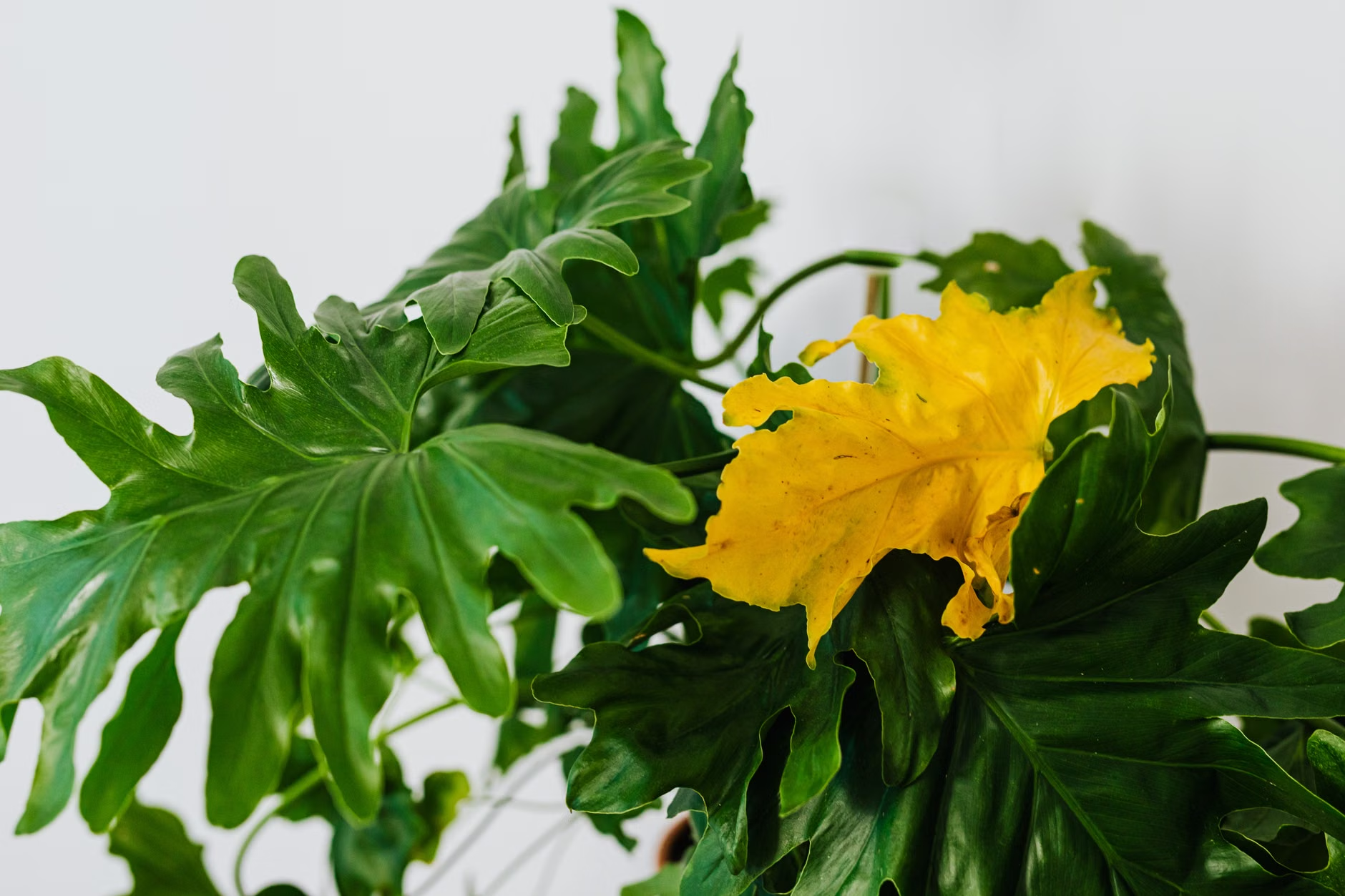
| Yellow leaves + wet soil | Overwatering / poor drainage | Stop watering; check drainage hole; remove standing water | Repot into well-draining mix; use smaller pot if oversized |
| Long bare stems, plant looks “leggy” | Not enough light | Move it 1–3 feet closer to the window | Add a small grow light or a new, shade-tolerant plant (ZZ, snake, cast iron) |
| Variegation fades (pothos, aglaonema, peperomia) | Light too low for variegated varieties | Move closer to light source | Choose greener cultivars for deeper shade |
| Leaf tips brown (especially spider plant, palms) | Dry air, inconsistent watering, or mineral build-up from water | Trim brown tip; water more consistent (not more often) | Try filtered water; increase humidity modestly by grouping plants |
| Mushy stems or a bad smell | Root rot—too much staying wet | Unpot and inspect roots, remove rot, repot to fresh mix | Water less often. Drainage and airflow priorities |
Kid safety (quick reality check)
Many typical houseplants are irritating or problem-causing if chewed or eaten, the ASPCA confirms. Use their online guide to check your plants by name, and head for the vets ASAP if a plant is sampled (aspca.org). Common beginner low-light plants that are often listed as a problem if chewed—pothos, peace lily, philodendron, ZZ plant, snake plant. Common beginner lower-light choices that are listed as “nontoxic” in the ASPCA guide—parlor palm, spider plant, baby rubber plant (Peperomia) (aspca.org). Always check against the scientific name too; common names can confuse and some share the same nick.
When your apartment is too dim: the “tiny grow light” fallback plan
If you can’t put the plant anywhere that has a window nearby without stretching cords/tending drapes daily, consider a tiny grow light on a timer. Even a little bit of grow-lighting can help a “surviving” plant become a “growing” plant. This can be critical for variegated pothos, aglaonema cultivars with a pronounced patterning, or need you to try for blooms, peace lilies. (edis.ifas.ufl.edu)
Beginner shopping checklist (buying the right plant is half the battle)
- Look for healthy foliage: steer clear of sticky residue, webbing, cottony clumps, and excessive yellowing.
- Soil check: no plants sitting in soaked mix (this is especially crucial to note in ZZ and snake plants.)
- Drainage: if the nursery pot has no holes, be prepared to repot it right away.
- For the darkest of rooms, choose the “greener” version of a cultivar (variegation typically likes more light).
- If you have pets: check the plant in the ASPCA database prior to buying using the scientific name.
FAQ
Q. What is the easiest low-light plant to keep alive?
A. Low-light plants suit all skill levels, but for newbies, it’s probably ZZ plant and snake plant that tops the easy list since they tolerate their constant watering schedule. Your only mission is to not overwater them.
Q. Can I grow plants in a room with no windows?
A. Not long-term. Most “low light” plants still need some usable daylight, plan on a grow light if the room is truly windowless.
Q. Why does my pothos look sparse in my low-light apartment?
A. Low light encourages slow growth with smaller leaves, variegated types may also lose their patterning in deeper shade. Ally close to the closest window and/or a wee grow light.
Q. Are any low-light plants safe for cats and dogs?
A. Yes. The ASPCA database lists parlor palm (Chamaedorea elegans), spider plant (Chlorophytum comosum), and Peperomia obtusifolia (baby rubber plant) as non-toxic to cats and dogs. Always check the specific variety of plant, and use the scientific name before purchasing from its nursery name.
Q. Should I fertilize low-light plants?
A. Light is what grows things. In low light, fertilizer does not “fix” slow plant growth and can create problems if misused, if you fertilize use sparingly (less often and/or diluted)new plant owner priority should be getting light and watering correct first.
References
- RHS: Houseplants for shade (low light options and care notes)
- University of Missouri Extension: Lighting indoor houseplants (low/medium light plant examples)
- NC State Extension Gardener Plant Toolbox: ZZ plant (Zamioculcas zamiifolia) profile
- NC State Extension Gardener Plant Toolbox: Snake plant (Dracaena trifasciata) profile
- NC State Extension Gardener Plant Toolbox: Cast iron plant (Aspidistra elatior) profile
- UF/IFAS Gardening Solutions: Aglaonema (low-light interior plant care)
- Penn State Extension: Pothos as a houseplant
- UF/IFAS EDIS: Cultural guidelines for interiorscape Epipremnum (pothos light and interior care)
- NC State Extension Gardener Plant Toolbox: Peace lily (Spathiphyllum) profile
- ASPCA: Toxic and non-toxic plants database (general guidance and lookups)
- ASPCA: Parlor palm (Chamaedorea elegans) listing (non-toxic)
- ASPCA: Spider plant (Chlorophytum comosum) listing (non-toxic)