
The expensive part of a houseplant pest problem usually is not the trap, spray, or fresh bag of potting mix. It is misdiagnosis. Fungus gnats, thrips, and spider mites are all small enough to make people guess, and guessing leads to the classic money-wasting sequence: buy something, spray something, repot something, then realize the pest never matched the treatment. The good news is that these three problems usually show up in different zones. Fungus gnats center on moist soil and the air around the pot, thrips hide on leaves, flowers, and tight crevices, and spider mites usually start on leaf undersides with stippling and later webbing. (ipm.ucanr.edu)
- Fungus gnats usually show up as tiny dark flies around moist potting mix; the real plant risk is the larvae in the soil, not the flying adults. (extension.umd.edu)
- Thrips leave silvery scarring, distorted tender growth, and black specks of frass on leaves or flowers. (ipm.ucanr.edu)
- Spider mites cause pale stippling, fading leaves, and often fine webbing; the white-paper tap test is one of the fastest ways to confirm them. (extension.umn.edu)
- Sticky traps help monitor fungus gnats and thrips adults, but they do not solve larval fungus gnats and they do nothing for spider mites. (ext.vt.edu)
- Before using any spray indoors, verify that the label allows indoor use, your plant species, and your target pest. (ipm.ucanr.edu)
Use the SLW Scorecard: Soil, Leaf, Web
There is a straightforward method of preventing bad purchases. Look for the signs before spending any money. Soil signs warned of fungus gnats. Leaf and flower signs warned of thrips. Webbing and undersides warned of spider mites. The simplicity of the tool is intentional: it makes you specify whom you are dealing with before making any decisions.
- Add 3 points to fungus gnats if dark flies lift off the pot when you water, move, or tap it, especially if the mix stays wet. (extension.umd.edu)
- Add 2 points to fungus gnats if a potato chunk on the soil surface picks up larvae or the top layer feels constantly damp. (ext.vt.edu)
- Add 3 points to thrips if new leaves or flowers show silvery streaks, scarring, or distortion. (ipm.ucanr.edu)
- Add 2 points to thrips if the damage has tiny black or tar-like droppings nearby. (ipm.ucanr.edu)
- Add 3 points to spider mites if you see pale stippling plus fine webbing on leaves, buds, or stems. (extension.umd.edu)
- Add 2 points to spider mites if the white-paper tap test drops moving dots or reddish-brown smears when crushed. (extension.umd.edu)
- Read the highest score first. If one pest reaches 5 or more points and the others do not, start there. If the score is close, inspect again in 72 hours before spending more money.
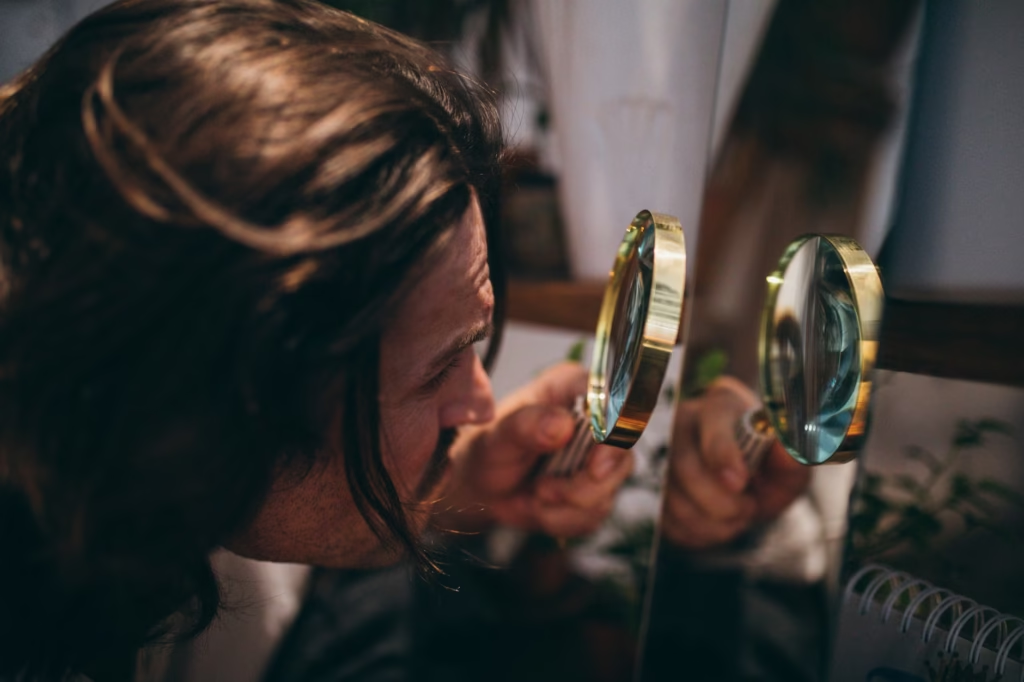
| Pest | Where you notice it first | Typical clue | Fastest confirmation | Best first move | Money-losing mistake |
|---|---|---|---|---|---|
| Fungus gnats | Around the pot, soil line, windows, or lamps. (extension.umd.edu) | Tiny dark flies above damp mix; larvae in wet topsoil can stunt roots when numbers get high. (ipm.ucanr.edu) | Tap the pot or water it, then watch for adults; use sticky traps or a potato chunk to check the soil. (ext.vt.edu) | Dry the surface as the plant allows, improve drainage, and target larvae instead of spraying leaves. (ext.vt.edu) | Buying foliage spray first and ignoring wet soil. |
| Thrips | Newest leaves, flowers, buds, and tight crevices where leaves join stems. (ipm.ucanr.edu) | Silvery scars or streaks, distorted tender growth, and black specks of frass. (ipm.ucanr.edu) | Inspect buds and leaf undersides; use yellow or blue sticky cards to catch adults. (extension.umn.edu) | Rinse foliage, prune the worst damage, and treat the plant itself, not just the potting mix. (extension.umd.edu) | Repotting once and assuming the problem is solved. |
| Spider mites | Leaf undersides first, then webbing across leaves, buds, flowers, or stems. (extension.umd.edu) | Pale stippling, dusty-looking fade, bronzing, and fine webbing. (extension.umn.edu) | White-paper tap test plus a close look with magnification. (extension.umd.edu) | Wash the plant, treat leaf undersides thoroughly, and confirm the label covers mites. (extension.umn.edu) | Using a general bug spray that is not labeled for mites. |
Fungus gnats: start at the soil line
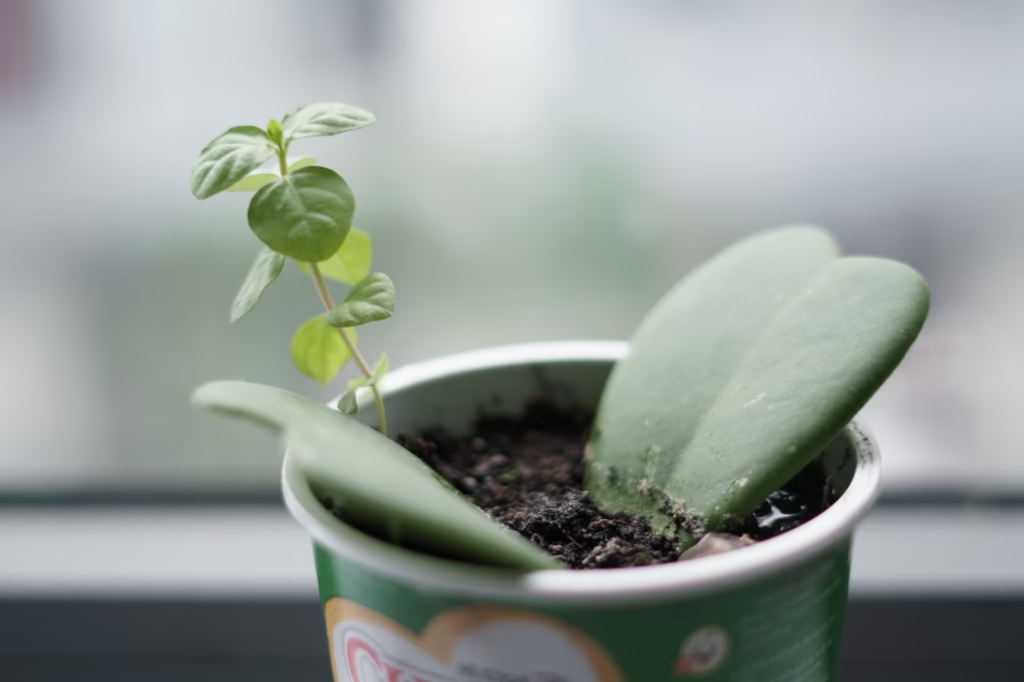
Fungus gnats are the easiest of the three to identify because you usually notice the adults before you notice plant damage. Adults are small, dark, mosquito-like flies with long legs; the larvae are pale, wormlike maggots with a dark head capsule living in damp organic media near the soil surface. On established houseplants the adults are mostly a nuisance, but heavy larval populations can damage roots and stunt growth, especially in young plants or already stressed plants. (ext.vt.edu)
- The best clue is location: the activity is at the pot, not spread across the leaf surface. Adults rest on soil, walls, or windows and lift off weakly when disturbed. (ipm.ucanr.edu)
- Constantly wet mix, standing water, and decomposing organic matter make the problem easier to sustain. (ext.vt.edu)
- Yellow sticky cards help confirm adults, but they do not solve the larval problem by themselves. (ext.vt.edu)
- If the plant can handle it, letting the top layer dry between waterings is usually the lowest-cost first move. (ext.vt.edu)
Thrips: look for silver scarring and black specks
Thrips are often the most expensive misdiagnosis because people see damaged leaves, assume mites or gnats, and buy the wrong tool. Adult thrips are tiny, slender insects with narrow fringed wings; they run quickly when disturbed and can fly. They feed by scraping plant tissue and sucking up the released fluids, which leaves irregular silvery streaks or patches, distorted flowers or new growth, and small black frass spots stuck near the damage. They also hide in exactly the places rushed inspections miss: leaf undersides, buds, and tight crevices where leaf stalks meet the stem. (ipm.ucanr.edu)
- Start with the newest growth and any flowers; thrips favor tender tissue and tucked-away feeding sites. (extension.umd.edu)
- Black specks matter. Fungus gnats do not leave tar-like droppings on scarred leaves, but thrips often do. (ipm.ucanr.edu)
- Yellow or blue sticky cards can help confirm flying adults, but the real evidence is the plant damage itself. (extension.umn.edu)
- Repotting alone is usually incomplete. Maryland Extension notes that repotting may remove pupae in soil, but not the thrips living elsewhere on the plant. (extension.umd.edu)
Spider mites: check undersides and webbing
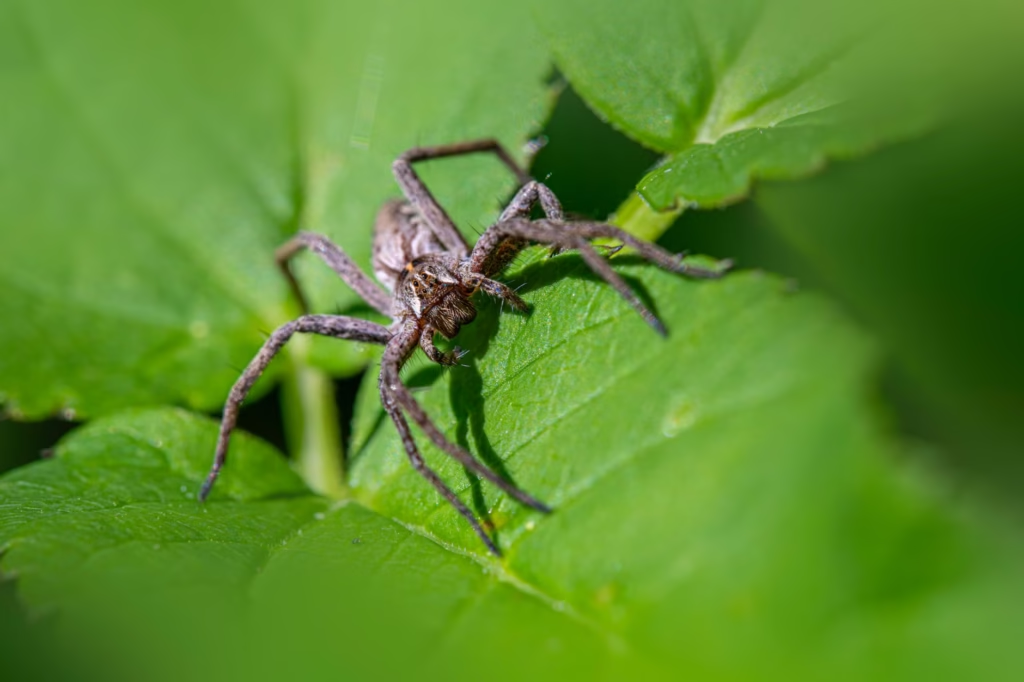
Spider mites usually announce themselves through damage before you ever clearly see the pest. They feed on leaf undersides, puncturing plant cells and causing pale stippling that can look dusty, silvery, yellow, or eventually bronzed. High populations produce dense, fine webbing on leaves, buds, flowers, and stems. The fastest confirmation method is the white-paper tap test: hold paper under damaged foliage, tap, and look for tiny moving specks. A hand lens can also reveal eggs, cast skins, and other residue. Warm, dry conditions favor outbreaks, which is why a plant can look fine one week and washed out the next near a bright, dry window. (extension.umn.edu)
- Inspect the underside first, especially along the main vein. (extension.umd.edu)
- Do not confuse spider mite webbing with a normal spider web. Mite webbing is finer, denser, sits on damaged plant tissue, and often has many mites or shed skins in it. (extension.umd.edu)
- Spider mites are arachnids, not insects, so do not assume every indoor bug spray is labeled for them. Check for mites or spider mites on the label. (ipm.ucanr.edu)
- Washing the plant and cleaning your hands and tools after handling it helps limit spread through the collection. (extension.umn.edu)
A cost-conscious triage plan for a real apartment shelf
Here is a realistic example. Say you have eight indoor plants and notice pale marks on one pothos and one philodendron. If you guess first and shop second, it is easy to spend $48 on sticky cards, neem spray, and fresh potting mix, then still have the problem because the wrong surface got treated. A cheaper sequence is diagnostic first: one sticky card by the pot, one white-paper tap test, and a five-minute underside check. If nothing is flying but the paper test shows moving specks and you can see fine webbing, the money should go to isolation, washing, and a labeled mite product rather than a full repot. If adults rise from the soil instead, direct the budget to moisture correction and larval control, not leaf spraying. (extension.umn.edu)
- Move the suspect plant away from the rest of the collection for a week if possible. Isolation reduces spread and gives you cleaner evidence. (extension.umn.edu)
- Check three zones in order: soil surface, newest leaves and flowers, and leaf undersides. That sequence matches where these pests usually reveal themselves. (ipm.ucanr.edu)
- Run the SLW Scorecard before buying supplies. Use traps and tests to confirm, not to replace inspection. (ext.vt.edu)
- Start with the least expensive fix that matches the pest: drying the surface for gnats, rinsing and pruning for thrips, or washing plus targeted mite treatment for spider mites. (ext.vt.edu)
- Inspect again in 72 hours and again at one week. New damage on clean leaves means the outbreak is still active, even if you killed some adults.
- If the plant is heavily infested and badly damaged, consider discarding it to protect the rest of the shelf. (ipm.ucanr.edu)
Common mistakes that waste time and money
- Using sticky traps as the whole plan. They monitor fungus gnats and thrips adults, but they do not reach fungus gnat larvae and do nothing to spider mites. (ext.vt.edu)
- Treating the soil when the pest is actually on foliage. Thrips and spider mites spend their damaging stages on the plant, not just in the mix. (ipm.ucanr.edu)
- Spraying only the tops of leaves. Thrips and spider mites commonly hide on leaf undersides or in crevices. (ipm.ucanr.edu)
- Calling every black speck dirt. On thrips-damaged leaves, those spots are often frass, which is one of the best clues you get. (extension.umd.edu)
- Repotting for thrips and stopping there. Repotting may remove some soil stages, but it does not solve insects still feeding in buds and foliage. (extension.umd.edu)
- Mixing homemade soap sprays or using a product that is not labeled for your plant and pest. Minnesota Extension warns against homemade soap mixes because they can burn plants, and pesticide labels spell out where and how a product can be used. (extension.umn.edu)
When the obvious fix still doesn’t work
If the first fix fails, the miss usually tells you where the problem is. With fungus gnats, repeat outbreaks usually mean the adults were trapped but the soil stayed too wet, the mix stayed too rich, or larvae were still active in the top layer. With thrips, a bounce-back often means hidden insects survived in buds, leaf axils, or neighboring plants; repotting helps only one part of the life cycle. With spider mites, the usual misses are incomplete coverage on leaf undersides, untreated eggs, or returning a stressed plant to the same warm, dry conditions. For larger collections, biological controls such as nematodes or predatory mites may make sense, but UC IPM notes that beneficials are usually not practical for just a few plants in a home or office. When one plant is heavily damaged and continues to seed problems, throwing it out can be the cheapest way to protect the rest. (ipm.ucanr.edu)
This guide is informational, not a substitute for a pesticide label. If you decide to use a pesticide indoors, read the label before you buy it. The label tells you whether the product is intended for indoor plants, whether your plant is listed, how much to use, and what safety steps to follow. Ignoring the label can burn the plant, reduce control, and create unnecessary exposure for people, pets, and other non-target organisms. (ipm.ucanr.edu)
How to verify your diagnosis before round two
Verification matters because leaf damage can outlast the pest that caused it, and some mite damage can be confused with non-pest stress such as chlorosis. Before you spend again, collect direct evidence. (extension.umd.edu)
- Place one yellow or blue sticky card near the pot for three to four days to see whether you are dealing with flying adults such as fungus gnats or thrips. (extension.umn.edu)
- Tap two or three damaged leaves over white paper. Moving dots point strongly toward spider mites. (extension.umd.edu)
- Check leaf undersides with a 10x lens and inspect buds or leaf axils for hidden thrips. (extension.umd.edu)
- If fungus gnats are still the leading suspect, set a small raw potato chunk on the soil for a few days and check it for larvae. (ext.vt.edu)
- Take dated photos every three days from the same angle. That makes it easier to separate old scars from new damage.
- If you still cannot find insects, frass, larvae, webbing, or flying adults, step back and reassess watering, light, and root health instead of forcing a pest diagnosis. (extension.umd.edu)
Bottom line
The cheapest effective plant treatment is a correct diagnosis. If the problem flies up from wet soil, think fungus gnats. If the leaves or flowers look scraped and dotted with black specks, think thrips. If the damage looks stippled and dusty and the white-paper test or webbing confirms movement on the undersides, think spider mites. Diagnose by zone first, buy second, and you will usually waste less money and lose fewer plants. (ext.vt.edu)
Do fungus gnats mean my plant is dying?
Not necessarily. Adults are mainly a nuisance, but larvae can damage roots and stunt growth when populations are high, especially in seedlings or young plants. (ipm.ucanr.edu)
Can thrips live in the soil?
Part of the life cycle can occur on leaves or in soil depending on the species. Repotting may remove pupae in the mix, but it does not address thrips still feeding on foliage or hiding in buds. (uaf.edu)
How do I tell spider mite webbing from a regular spider web?
Spider mite webbing is very fine and dense, sits right on damaged plant tissue, and often contains many mites or shed skins. A normal spider web usually has a larger spider nearby and does not cause stippling damage on the leaves. (extension.umd.edu)
Are sticky traps enough to solve any of these pests?
Usually no. They are useful for detecting fungus gnat and thrips adults, but they do not solve larval fungus gnats and they do not control spider mites. (ext.vt.edu)
Should I raise humidity to fix thrips or spider mites?
Higher humidity can discourage many thrips species, and spider mites favor warm, dry conditions, but humidity alone is not a stand-alone cure. Be careful not to create constantly wet soil, which favors fungus gnats. (extension.umd.edu)
When is it smarter to throw the plant away?
If the plant is heavily infested, badly damaged, and repeatedly spreading problems to nearby plants, disposal can be the most economical choice. That is especially true when the plant is inexpensive to replace and the rest of the collection is more valuable. (ipm.ucanr.edu)
References
- University of Maryland Extension – Indoor Plant Insects – https://extension.umd.edu/resources/yard-garden/indoor-plants/indoor-plant-insects
- UC IPM – Houseplant Problems – https://ipm.ucanr.edu/home-and-landscape/houseplant-problems/
- UC IPM – Fungus Gnats – https://ipm.ucanr.edu/home-and-landscape/fungus-gnats/
- Virginia Tech – Fungus Gnats – https://ext.vt.edu/content/pubs_ext_vt_edu/en/3104/3104-1579/3104-1579.html
- University of Minnesota Extension – Managing Insects on Indoor Plants – https://extension.umn.edu/yard-and-garden-insects/insects-indoor-plants
- University of Minnesota Extension – Twospotted Spider Mites in Home Gardens – https://extension.umn.edu/yard-and-garden-insects/spider-mites
- University of Maryland Extension – Mites in Home Gardens – https://www.extension.umd.edu/resource/mites-home-gardens
- University of Maryland Extension – Thrips in Home Gardens – https://extension.umd.edu/resource/thrips-home-gardens
- UC IPM – Spider Mites – https://ipm.ucanr.edu/home-and-landscape/spider-mites/
- UC IPM – Reading a Pesticide Label – https://ipm.ucanr.edu/home-and-landscape/reading-a-pesticide-label/
- US EPA – Why Read Labels? – https://www.epa.gov/safepestcontrol/why-read-labels
- Iowa State University Extension and Outreach – Diagnosing Houseplant Problems Caused by Insect Pests – https://yardandgarden.extension.iastate.edu/how-to/diagnosing-houseplant-problems-caused-insect-pests