Most apartment plant problems do not begin as dramatic collapses. They start as small clues: one sticky leaf, a damp cachepot that never seems to dry, faint speckling on the underside of a vine, or a yellow leaf that appears while the potting mix is still wet. Frequent inspection and monitoring matter because pests and disease symptoms are easier to manage before the plant is badly damaged or the problem spreads to nearby pots. (ipm.ucanr.edu)
TL;DR
- A quick weekly scan works better than waiting for a plant to look truly sick. Frequent monitoring is part of good houseplant problem prevention. (ipm.ucanr.edu)
- Use the TRACE check: Touch the soil, Rotate the plant, Angle the leaves, Check the container, Evaluate the room. That order helps you find the cause before you treat the symptom. (rhs.org.uk)
- Read symptoms in clusters. Wilted leaves in dry mix suggest a different problem from wilted leaves in wet mix. Sticky residue points you toward sap-sucking pests. Fine webbing points you toward mites. (rhs.org.uk)
- Verify your fix with repeat checks, sticky cards for flying pests, and root inspection when the leaves and the soil tell conflicting stories. (extension.umn.edu)
Why this works so well in apartments
Apartment setups often compress several stress factors into a small space: decorative outer pots that hide standing water, dry heated air in winter, and cold or hot spots close to glass, radiators, or vents. Those conditions can blur the line between thirst, root stress, and pest damage, which is why a short, repeatable check is more useful than guessing from one yellow leaf. (extension.illinois.edu)
The goal is not perfect diagnosis in five minutes. The goal is to catch the category of problem early enough to avoid the next bad decision. If a plant is wilted because roots are sitting in wet mix, watering again makes the situation worse. If sticky honeydew is already showing up on leaves or the shelf, waiting another week gives aphids, mealybugs, or soft scale more time to multiply. (rhs.org.uk)
Use the TRACE check
A fast routine works best when you do it in the same order every time. TRACE stands for Touch the soil, Rotate the plant, Angle the leaves, Check the container, Evaluate the room. The names are simple, but the sequence matters because it keeps you from treating symptoms before you look for the cause. (rhs.org.uk)
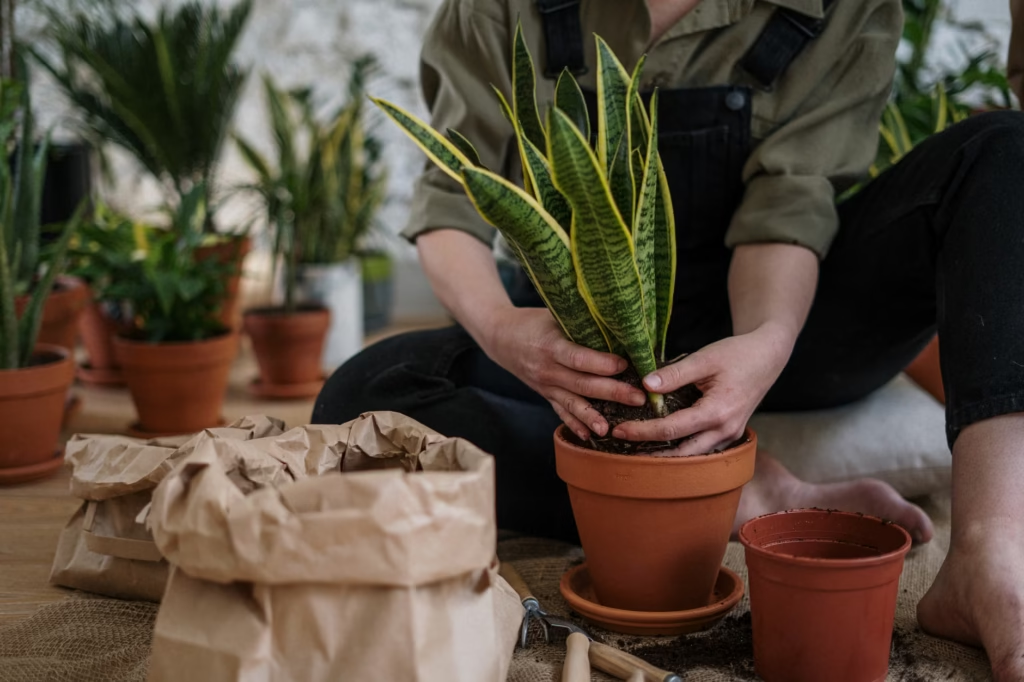
- Touch the soil first. Insert a finger a couple of inches into the mix instead of judging from the dry top layer alone. If the mix is dry below the surface, watering may be appropriate. If it is still wet, do not assume wilt means thirst. (rhs.org.uk)
- Rotate the plant and look at stems, leaf joints, and new growth. Many pests hide where leaves meet stems or along veins, and one-sided damage can point to a placement issue rather than a whole-plant emergency. (extension.umn.edu)
- Angle the leaves and inspect the undersides. Look for webbing, eggs, cottony clusters, scale bumps, speckling, or sticky residue. A 10-power hand lens or a phone magnifier makes small pests much easier to catch early. (extension.umn.edu)
- Check the container, saucer, and drainage holes. Lift nursery pots out of decorative cachepots if you use them. Standing water, clogged drainage, roots pushing through holes, or pests hiding along rims and crevices are all useful clues. (extension.umn.edu)
- Evaluate the room last. Brown, crisp tips can point to dry air, while blackened or collapsed tissue can follow cold exposure. Plants close to hot, dry air may show heat stress. The plant and its placement need to make sense together. (rhs.org.uk)
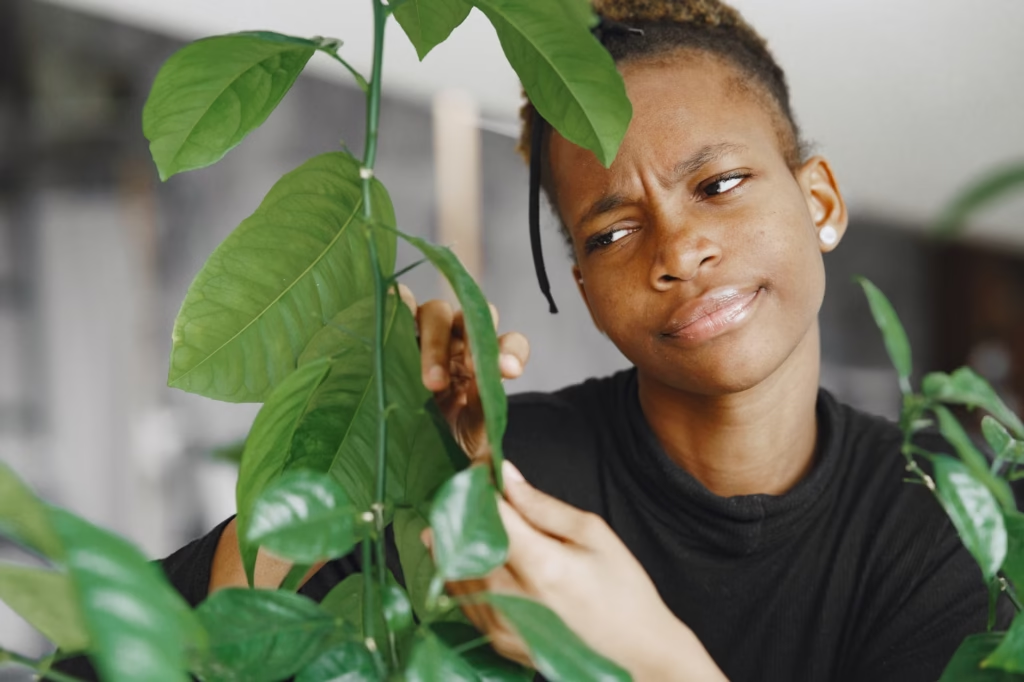
Keep a small plant-check kit nearby: a phone flashlight, a 10-power hand lens, cotton swabs, and a few yellow sticky cards. Those tools make inspection faster without turning routine care into a project. (extension.umn.edu)
Don’t diagnose a plant from one symptom
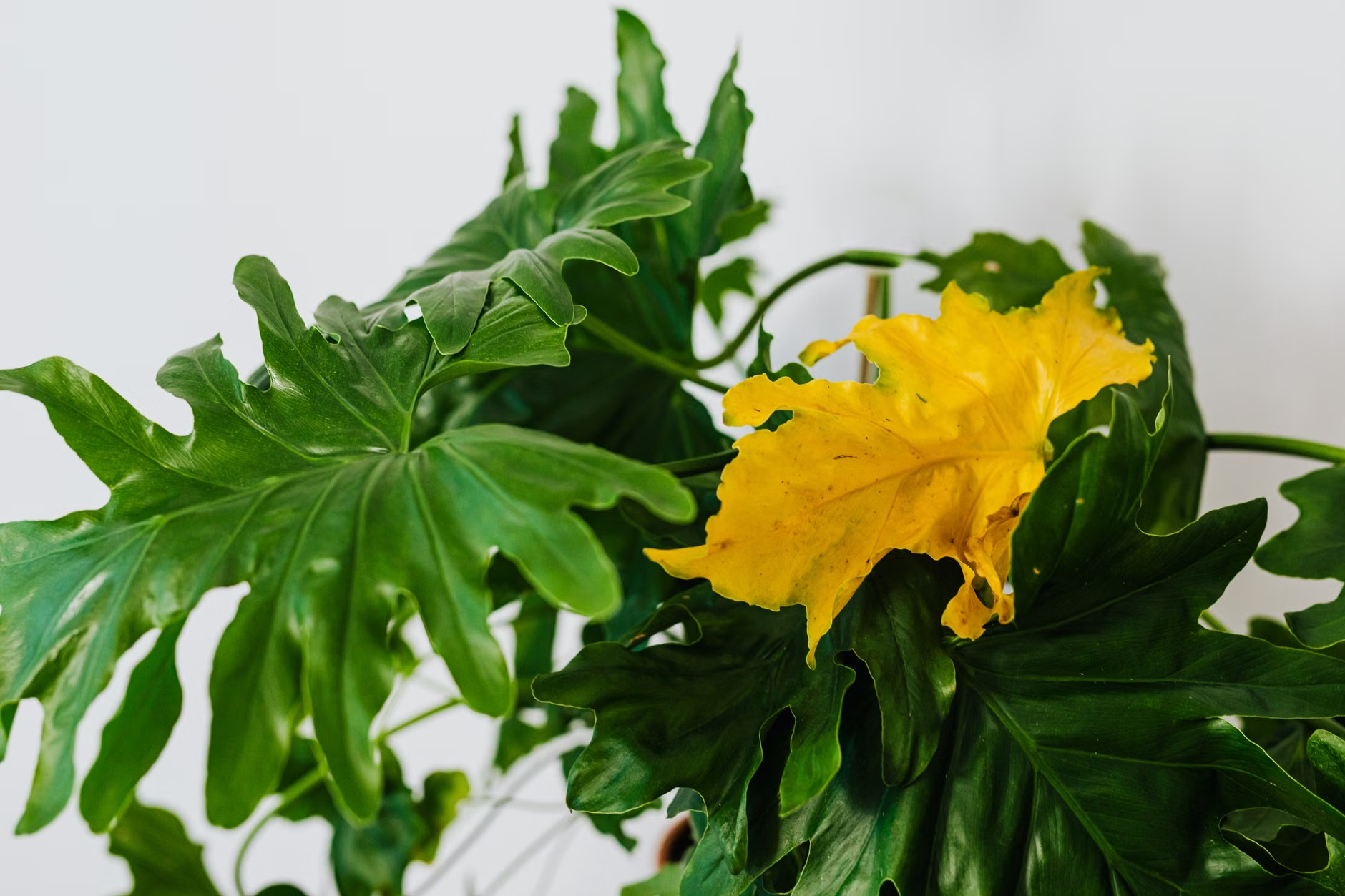
Houseplants repeat the same few distress signals for many different reasons. Wilting can mean drought, overwatering, or root rot. Yellowing can mean a dry plant, a wet plant, cold stress, or root trouble. That is why the five-minute check works best when you read symptoms in clusters: soil moisture, leaf pattern, pest clues, and container conditions together. (rhs.org.uk)
| What you notice | What to check next | Most likely category | First move today |
|---|---|---|---|
| Wilted leaves and dry mix below the surface | See whether older lower leaves are yellowing first | Underwatering is more likely | Water thoroughly, then go back to checking moisture instead of watering on a fixed schedule. (rhs.org.uk) |
| Wilted leaves but the mix is still wet or the pot is sitting in trapped water | Slide the plant out far enough to inspect roots and drainage | Overwatering or root rot risk | Empty excess water, pause watering, and inspect for dark, soft, or mushy roots. (rhs.org.uk) |
| Shiny sticky leaves, sticky shelf, or black sooty film | Look along stems, leaf veins, and where leaves join stems | Sap-sucking pests such as aphids, mealybugs, or soft scale | Isolate the plant and physically remove or wash pests before they spread. (extension.umn.edu) |
| Fine speckling, pale mottling, or delicate webbing | Turn leaves over and tap foliage above white paper | Spider mites | Rinse foliage and recheck with magnification because mites hide on leaf undersides. (extension.umn.edu) |
| Tiny black flies hovering at soil level | Use a sticky card and inspect damp surface mix | Fungus gnats, usually tied to consistently damp mix | Let the surface dry more between waterings and use traps as a monitor, not the whole fix. (extension.umn.edu) |
| Stem base turning soft or roots dark and sour-smelling | Unpot the plant rather than guessing from leaves alone | Crown rot or root rot | Cut away rotten tissue and repot only if enough healthy roots or stems remain; otherwise discard it to protect nearby plants. (extension.umd.edu) |
One especially useful shortcut: if old and new leaves are yellowing and dropping together while the mix stays wet, move overwatering high on your list. If older leaves near the base yellow first and the mix is dry deeper down, underwatering fits better. That simple contrast saves a lot of apartment growers from watering the wrong problem. (rhs.org.uk)
A realistic apartment example
In a small apartment, this often shows up as two problems at once. Picture a shelf with a trailing pothos in a decorative pot and a newly purchased ivy set beside it. During the TRACE check, the pothos feels wilted, but the inner pot is sitting in water inside the cachepot and two yellow leaves have dropped at the same time. The ivy, meanwhile, has pale stippling and faint webbing on the underside of several leaves. (extension.illinois.edu)
The five-minute check changes what you do next. The pothos does not need more water; it needs its roots and drainage checked. The ivy should be moved away from the collection and washed or treated before mites spread. Without that short inspection, it would be easy to water the pothos again and leave the ivy in place until the rest of the shelf starts showing damage. (extension.umd.edu)
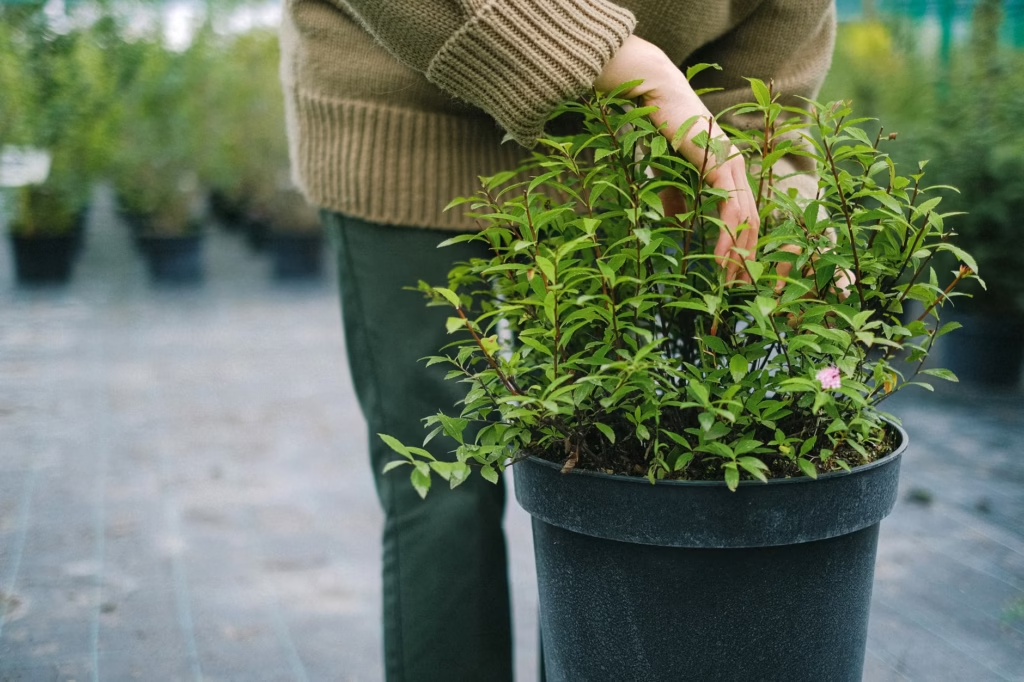
What to do right away when the check finds trouble
- Separate any plant with suspected pests from the rest of the collection for at least one to two weeks, and inspect nearby plants at the same time. (extension.umn.edu)
- For light pest pressure, start with nonchemical cleanup: wipe leaves, spray small plants in a sink or larger ones in a shower, and physically remove visible mealybugs or scale where possible. (extension.umn.edu)
- If you find trapped water in a saucer, foil wrap, or decorative outer pot, drain it immediately. Then switch back to watering only when the mix actually needs it. (extension.illinois.edu)
- If roots are dark and soft, or the stem base is mushy, unpot the plant. Remove rotten sections and repot only healthy tissue into fresh, well-drained mix in a container with drainage holes. (extension.umd.edu)
- If you see fungus gnats, treat them as a moisture-management clue first. Let the surface dry as much as possible without wilting the plant, and use sticky cards to confirm whether adults are still emerging. (extension.umn.edu)
- If you move to sprays or pesticides, use products labeled for houseplants and follow the label directions exactly. Coverage matters, especially on leaf undersides, and repeat applications may be needed for some pests. (extension.umn.edu)
Early action should be proportional. A single mealybug, a few fungus gnats, or one puddled cachepot is a prompt to clean up, isolate, and monitor more closely, not to repot every plant in the room. The point is to interrupt spread and gather better evidence before you escalate. (ipm.ucanr.edu)
Repotting is useful when the mix is staying wet, the roots are damaged, or the container lacks drainage. It is not the automatic answer to every yellow leaf. Unnecessary repotting adds root disturbance, and newly purchased plants may also go through an adjustment period as they settle into lower light or lower humidity than they had before. (extension.illinois.edu)
The mistakes that let small problems spread
- Watering on a calendar instead of checking the mix. Houseplants are better watered when needed than on a fixed schedule. (rhs.org.uk)
- Looking only at the top of the foliage. Many common pests hide on leaf undersides, along veins, or where leaves join stems. (extension.umn.edu)
- Leaving the nursery pot inside a cachepot full of overflow. Hidden standing water is one of the easiest ways to invite root stress and rot. (extension.illinois.edu)
- Treating every wilt as thirst. Overwatered plants can wilt too, and adding more water can deepen the problem. (rhs.org.uk)
- Jumping a small plant into an oversized pot. Too much extra soil can stay wet too long and raise the risk of root rot. (extension.illinois.edu)
- Skipping quarantine on new plants. A new purchase can look fine on day one and still reveal pests after it has already sat next to the rest of your plants. (extension.umn.edu)
How to verify that your fix is actually working
Verification is what turns a guess into plant care. After you act, run the same short check again over the next week instead of assuming the problem is solved just because the plant looks a little cleaner. Early interventions work best when the evidence changes in the direction you expect. (ipm.ucanr.edu)
- Use a yellow sticky card near plants with flying pests. If catches continue, adults are still emerging and the underlying problem has not been fully corrected. (extension.umn.edu)
- If a plant stays wilted while the mix remains wet, inspect the root ball. Healthy roots should be light-colored and firm; diseased roots tend to be dark and soft. (extension.umd.edu)
- For spider mites or mealybugs, check the same leaf undersides and stem joints every few days. You are verifying whether live pests, fresh webbing, or new honeydew are still appearing. (extension.umn.edu)
- If fungus gnats are the issue, place a slice of potato on the soil surface and check it periodically for larvae. That tells you whether the potting mix is still supporting them. (extension.umn.edu)
- After changing watering or drainage, confirm that excess water no longer sits in the saucer or outer pot after watering. (extension.illinois.edu)
Do not rely on sticky traps alone for fungus gnats, and do not mix homemade soap sprays for pests. Traps mainly monitor adults, and homemade soap products can injure foliage. Follow product labels for anything you spray. (extension.umn.edu)
When five minutes is not enough
A quick check has limits. Leaf scorch can come from lack of water, over-fertilization, or high soluble salts. Blackening can follow cold injury. Some pests, such as cyclamen mites, are so small that the symptoms may be more visible than the pest itself. When the clues conflict, the right next step is slower diagnosis, not faster treatment. (extension.umd.edu)
Sometimes the best answer is containment. Plants with severe root rot, heavy mite damage, or infestations that keep returning despite cleanup can threaten the rest of a small apartment collection. Extension guidance also notes that some badly damaged or heavily infested plants are better discarded, and cyclamen mite problems are often not practical to manage on houseplants. (extension.umn.edu)
Conclusion
The best five-minute plant check is not fancy. It is repeatable. When you touch the soil, turn the leaves, inspect the container, and read symptoms as a pattern instead of a single clue, you catch more problems while they are still local and fixable. In an apartment, that can be the difference between one troubled plant and a shelf-wide cleanup. (rhs.org.uk)
How often should I do this check?
At minimum, do a quick version whenever you water, because pests often show up then and soil moisture is easiest to judge in the moment. A weekly full pass is a reasonable routine for most apartment collections. (extension.umn.edu)
Do I need a moisture meter?
Not necessarily. RHS guidance supports inserting a finger into the growing medium a few centimeters down to check moisture. If symptoms still do not match what the soil feels like, inspect drainage and roots rather than trusting one tool. (rhs.org.uk)
Should I cut off every yellow leaf as soon as I see it?
Remove obviously dead or badly damaged leaves if you like, but do not let pruning replace diagnosis. Yellowing can be tied to underwatering, overwatering, root rot, cold injury, or other stress, so figure out the cause before you assume the plant is fixed. (rhs.org.uk)
Do fungus gnats mean my plant is dying?
Usually not. University of Minnesota Extension describes fungus gnats as mostly a nuisance on indoor plants, with adults doing no damage and the bigger issue being consistently damp potting mix. Treat them as a sign to review watering and drainage. (extension.umn.edu)
When is it smarter to throw a plant away?
If roots are broadly rotten, the crown is collapsing, or the plant is heavily infested and badly damaged, discarding it can be the most practical way to protect nearby plants. That is especially true when you have limited isolation space. (extension.umd.edu)
References
- University of Minnesota Extension: Managing insects on indoor plants – https://extension.umn.edu/yard-and-garden-insects/insects-indoor-plants
- University of Maryland Extension: Diagnose Indoor Plant Problems – https://www.extension.umd.edu/resource/diagnose-indoor-plant-problems
- Royal Horticultural Society: How to Help a Poorly Houseplant – https://www.rhs.org.uk/plants/types/houseplants/how-to-help-a-poorly-houseplant
- UC Statewide IPM Program: Houseplant Problems – https://ipm.ucanr.edu/home-and-landscape/houseplant-problems/
- UC Statewide IPM Program: Mealybugs – https://ipm.ucanr.edu/home-and-landscape/mealybugs/
- Illinois Extension: Get Started With Houseplants – https://extension.illinois.edu/houseplants/get-started
- Illinois Extension: Container Drainage Options – https://extension.illinois.edu/container-gardens/container-drainage-options