If you do one thing before buying a houseplant, inspect the hidden parts instead of just the pretty top growth. Most hitchhiking pests show up under leaves, where leaves meet stems, around the pot rim, or in the soil. If you spot sticky residue, fine webbing, white cottony buildup, hard bumps on stems, or tiny flies lifting from the mix, leave that plant behind and pick another. (extension.umn.edu)
Use a one-minute store inspection
A quick check in the store beats trying to treat an infestation in a small apartment later. Extension and IPM guidance recommend examining leaf tops and undersides, discolored foliage, the container edge, and even the bottom of the pot. A phone flashlight helps. If you shop for plants often, a small 10x magnifier can help too. (extension.umn.edu)
- Start with the whole plant. Skip anything badly sparse, pale, unusually stretched, or obviously declining. Even when pests are not the only problem, stressed plants are harder to settle into an apartment. (extension.illinois.edu)
- Turn over one or two leaves. Check the undersides and the main vein for moving specks, pale stippling, holes, eggs, or fine webbing. (extension.umn.edu)
- Look closely at leaf axils, stems, and new growth. White cottony material, waxy residue, or small shell-like bumps tucked into crevices are strong reasons to pass. (ipm.ucanr.edu)
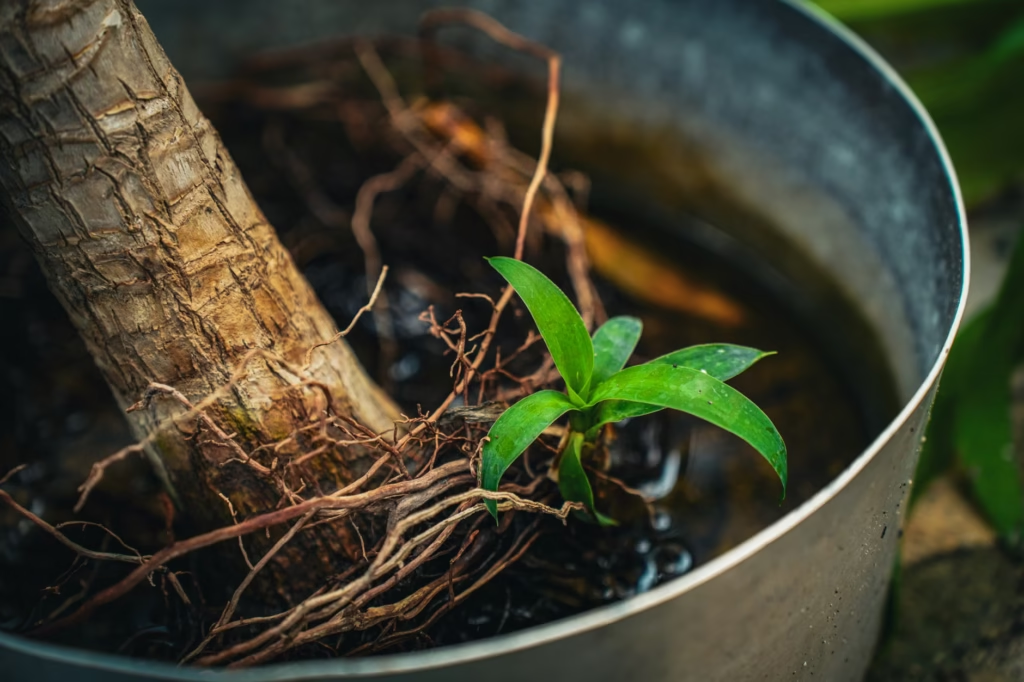
- Inspect the pot rim, saucer, and drainage holes. Pests can hide in crevices, and roots pushing through the drainage hole mean the plant may already be overdue for repotting. (extension.umn.edu)
- Glance at the soil surface, then gently tap the pot. Tiny dark flies rising from damp mix suggest fungus gnats. They are often more nuisance than disaster, but they are still a poor apartment souvenir. (ipm.ucanr.edu)
- If the store setup allows it, touch a leaf or the shelf under the plant. A shiny or sticky film can point to sap-sucking pests even when the insects themselves are hiding. (extension.umn.edu)
Warning: When a plant looks questionable, the apartment-friendly choice is usually to walk away. A bargain plant is rarely a bargain if it spreads pests to the rest of your windowsill. (ipm.ucanr.edu)
Know which flaws matter
The clearest red flags are evidence of the pest itself or its leftovers. Fine webbing near growing points can point to spider mites. Sticky leaves or black sooty buildup often go with honeydew from sap-sucking pests such as aphids, scale, mealybugs, or whiteflies. White cottony wax around stems, in leaf joints, or even on the outside of the pot is especially suspicious for mealybugs. (ipm.ucanr.edu)
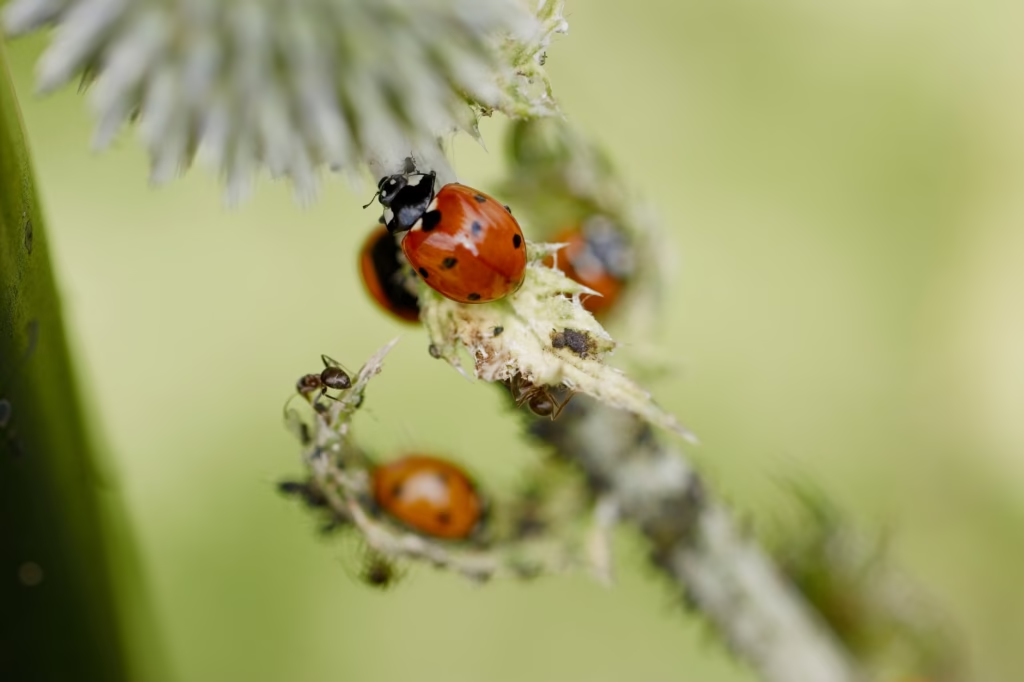
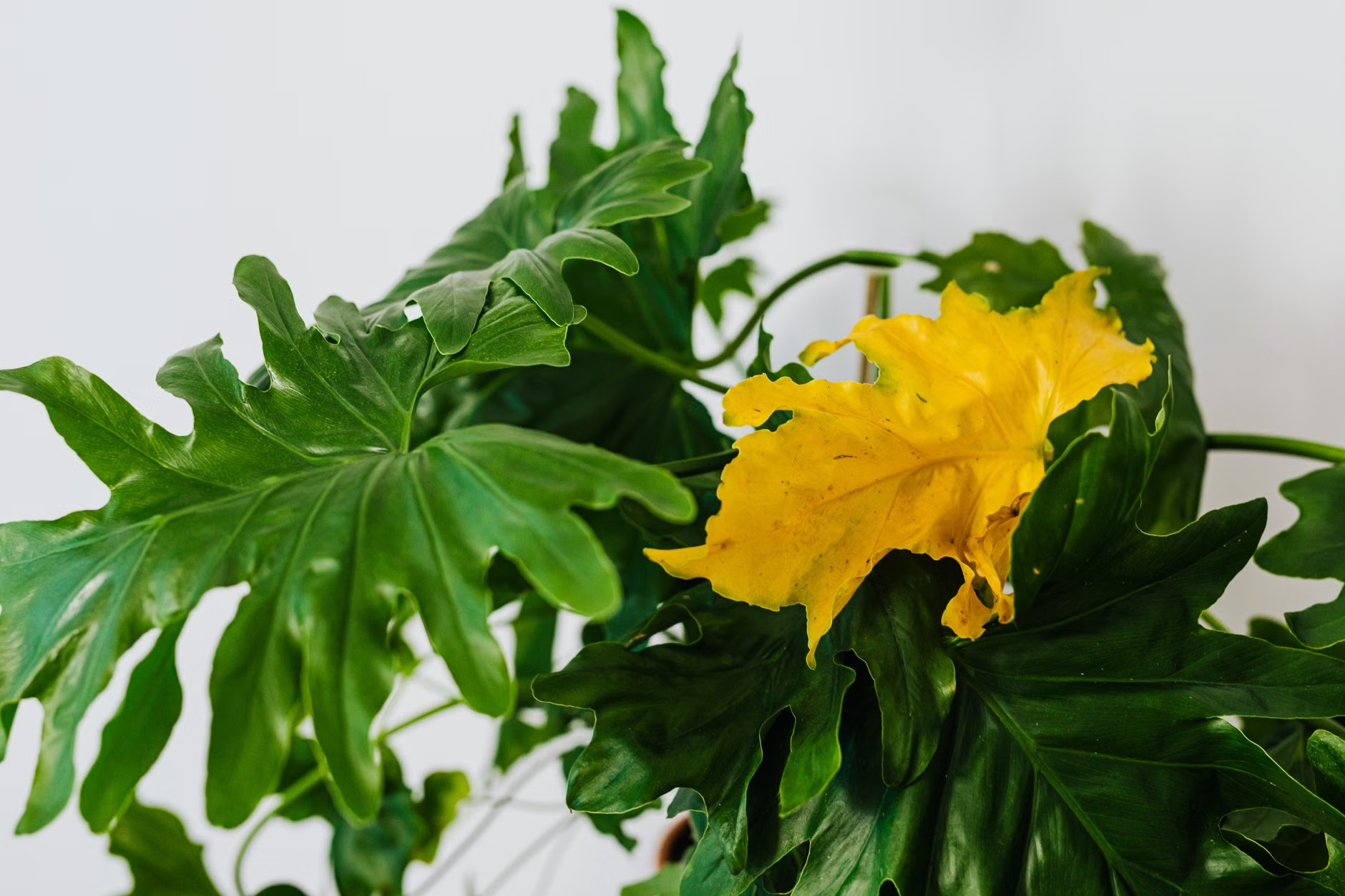
Not every imperfect leaf means pests. Houseplants can yellow, spot, or drop leaves because of watering problems, low light, temperature stress, or the shock of a new environment. What matters is pattern and proof: repeated damage on multiple leaves, insects in hiding places, sticky residue, webbing, or distorted new growth. A cracked snake plant leaf is usually cosmetic. A philodendron with sticky foliage and bumps along several stems is a different story. (ipm.ucanr.edu)
Quarantine it before it joins the collection
Even a clean-looking plant deserves a short quarantine once you get home. Extension guidance ranges from about one to three weeks away from your other houseplants so any missed pests have time to show themselves. In a studio apartment, that might mean the bathroom shelf, a separate windowsill, or the far end of the kitchen counter, as long as the leaves are not touching the rest of your collection. Check the plant each time you water. (extension.umn.edu)
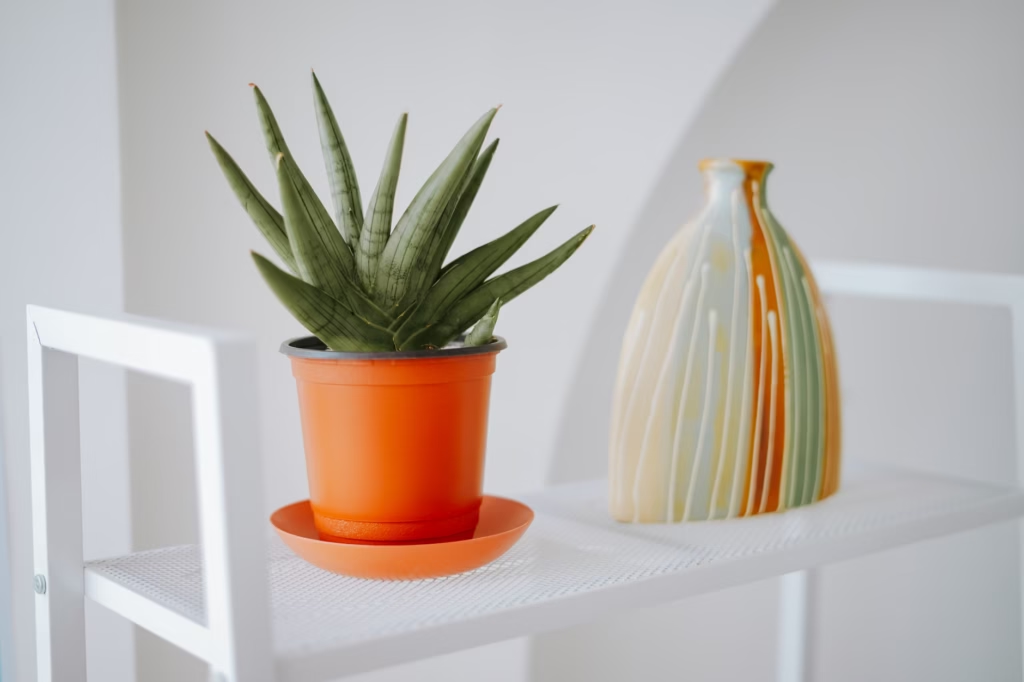
During quarantine, recheck leaf undersides, pot edges, and the soil surface. If you are worried about flying insects, a yellow sticky trap beside the pot can help reveal fungus gnats, whiteflies, winged aphids, or thrips. If a light issue shows up early, washing the leaves or removing one infested section may be enough. If the plant is heavily infested, university IPM guidance notes that returning or discarding it can be more practical than fighting a long indoor treatment battle. If you use a pesticide later, make sure the label allows indoor use on that plant. (extension.umn.edu)
A new plant does not need perfect leaves to be worth bringing home. It does need clean hidden surfaces, clean soil, and a quiet quarantine period. That quick routine is much easier than treating pests after they reach every pot in the apartment. (extension.umn.edu)
References
- University of Minnesota Extension: Managing insects on indoor plants – https://extension.umn.edu/yard-and-garden-insects/insects-indoor-plants
- UC Statewide IPM Program: Houseplant Problems – https://ipm.ucanr.edu/home-and-landscape/houseplant-problems/
- Illinois Extension: Get Started | Houseplants – https://extension.illinois.edu/houseplants/get-started
- University of Maryland Extension: Mealybugs on Indoor Plants – https://www.extension.umd.edu/resource/mealybugs-indoor-plants