The plant watering system that holds up when life gets messy is usually not a strict calendar, a phone reminder, or a promise to water every Sunday. What works better is a setup that slows down drying, separates plants by how thirsty they are, and gives you an easy way to check moisture before you pour water into every pot.
For most apartment plant collections, that means three things: pots with real drainage, a backup method for the plants that hate drying out, and a very short inspection routine. Once those pieces are in place, a missed day matters a lot less.
Start with the parts that control drying speed
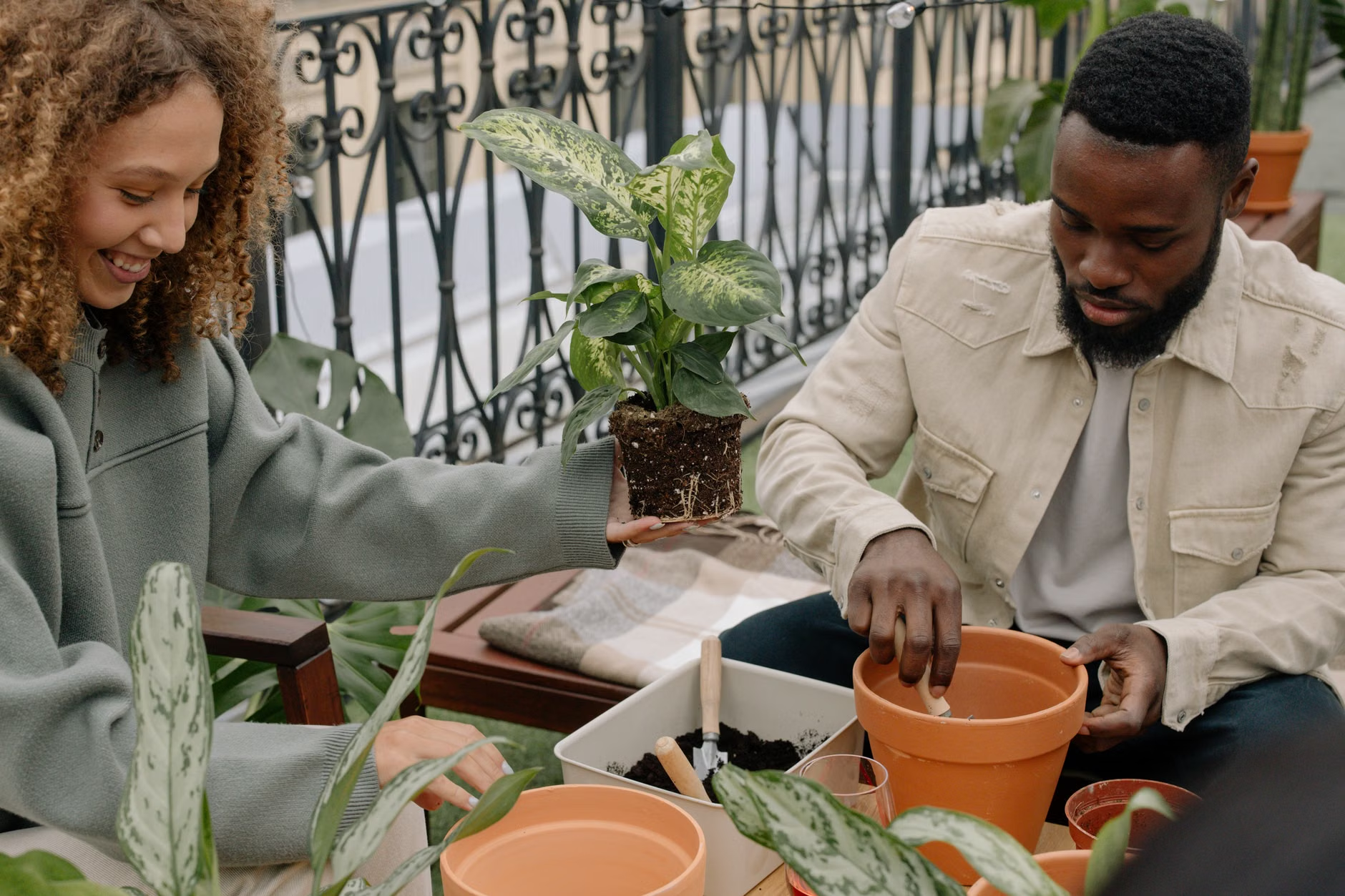
If your routine changes all the time, build the system around the pot before you think about gadgets. Keep plants in containers with drainage holes, even if you prefer the look of a decorative outer pot. Water that gets trapped in a pot with no drainage is hard to manage, especially when you are rushing out the door. A plain nursery pot slipped inside a nicer cover pot is often the most forgiving apartment setup because you can water thoroughly, let it drain, and then return it to the outer pot once excess water has finished dripping.
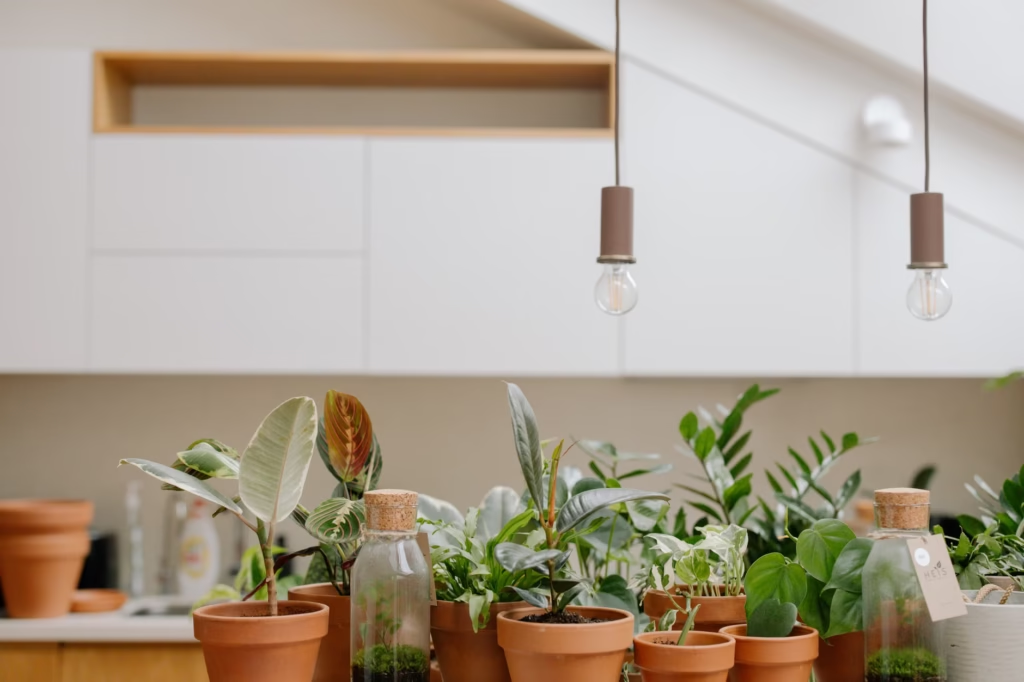
Next, pay attention to materials. Plastic pots hold moisture longer. Terracotta dries faster. That makes plastic or glazed ceramic useful for moisture-loving tropical plants like pothos, peace lilies, and many ferns. Terracotta is often better for snake plants, cacti, and succulents that resent staying wet. A watering system becomes much easier when the pot matches the plant instead of fighting it.
It also helps to group plants by need, not by where they happen to fit on a shelf. Keep the thirstier plants together in the brightest part of the room where you will notice them. Put the drought-tolerant plants together somewhere they can safely wait longer. If every plant in your apartment is on a different drying cycle, your routine has to be perfect. If you create two or three simple groups, the system is much more resilient.
Add a backup that buys you time
Most apartment residents do not need a full indoor drip system. A simpler backup is usually enough. For foliage plants that like evenly moist soil, a self-watering pot or reservoir insert can smooth out the gaps between waterings. These containers use a reservoir and a wick or wicking chamber to feed moisture up into the potting mix over time. They are especially useful if your work hours shift, you travel occasionally, or you tend to remember watering a day or two late.
The important limit is that not every plant wants that kind of steady moisture. Self-watering systems are usually a poor fit for cacti, many succulents, and other plants that need the mix to dry more between waterings. Use them where even moisture is helpful, not everywhere by default.
If you are leaving for a week or two, reduce demand as well as adding water. Move plants out of hot direct sun into bright indirect light, water them thoroughly, and make sure they drain well. For a longer stretch, a basic wick setup can help: place a water reservoir slightly above the plants and run cotton wicks into the potting mix. That can keep moisture moving gradually without turning every pot into a swamp. For longer absences, it is still smarter to have someone check on the plants than to rely entirely on a homemade system.
Tip: Test any wick or self-watering setup before you actually need it. Give it at least a week under normal apartment conditions so you can see whether the mix stays evenly moist, barely damp, or too wet for that plant.
Replace a watering day with a 60-second check
A reliable system still needs a human check, but it should be fast. Instead of watering every plant on the same day, do a quick pass two or three times a week. The goal is not to do more. It is to make better decisions faster.
- Touch the top inch of potting mix. If it still feels damp, wait. For many leafy houseplants, watering when that top inch feels dry is a good starting point.
- Lift the pot slightly. A recently watered pot feels noticeably heavier than a dry one. This matters most for medium and small pots.
- Look at the plant type before you water. A pothos or peace lily may want moisture sooner than a snake plant sitting nearby in the same room.
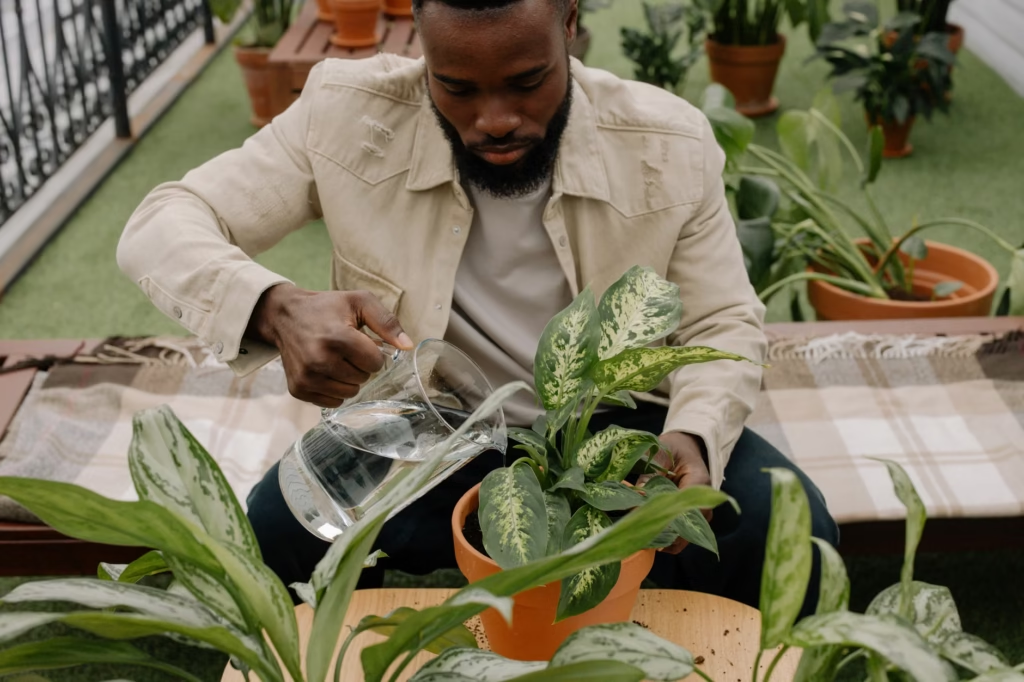
- Water thoroughly only when needed, then let excess water drain out. Empty the saucer or decorative pot so roots are not left sitting in water.
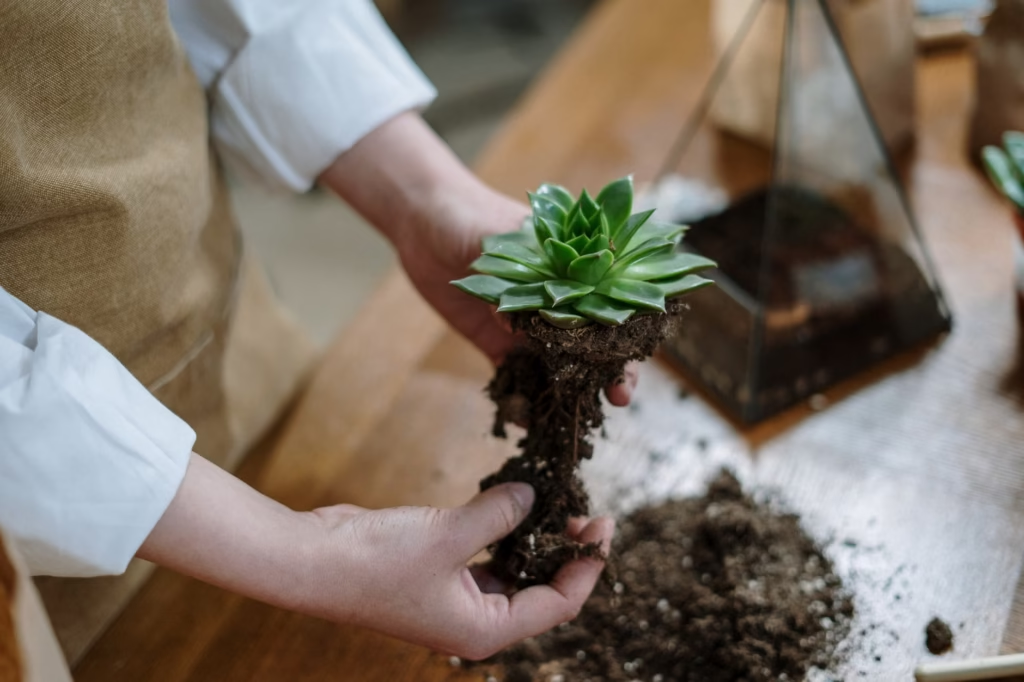
This check is what makes the rest of the system work. It catches changes in season, light, heat, air conditioning, and plant growth that a calendar misses. A pothos near an east-facing window in a plastic pot may need attention twice as often as a ZZ plant across the room in terracotta. If your job gets busy for a few days, the pothos has a reservoir or wick to buy time, while the ZZ plant is already in a setup that dries slowly and tolerates waiting.
If one plant is drying out much faster than the others every single week, treat that as a clue rather than a failure. It may need a slightly larger pot, fresher potting mix, a move away from harsh sun, or a switch from terracotta to plastic. A good watering system is adjustable. That is the whole point.
The best plant watering system for a changing routine is simple: match the pot to the plant, use a backup only where it helps, and check moisture instead of following a fixed schedule. Once you stop trying to water everything the same way, your plants become much easier to keep alive through real-life schedule changes.
References
- University of Minnesota Extension: Spring houseplant care – https://extension.umn.edu/houseplants/spring-houseplant-care
- Virginia Cooperative Extension: Properly Watering Container Houseplants – https://www.pubs.ext.vt.edu/content/pubs_ext_vt_edu/en/SPES/spes-804.html
- UF/IFAS Gardening Solutions: Vacation Plant Care – https://gardeningsolutions.ifas.ufl.edu/design/outdoor-living/vacation-plant-care/
- University of California Agriculture and Natural Resources: Watering Your Houseplants – https://ucanr.edu/blog/backyard-gardener/article/watering-your-houseplants