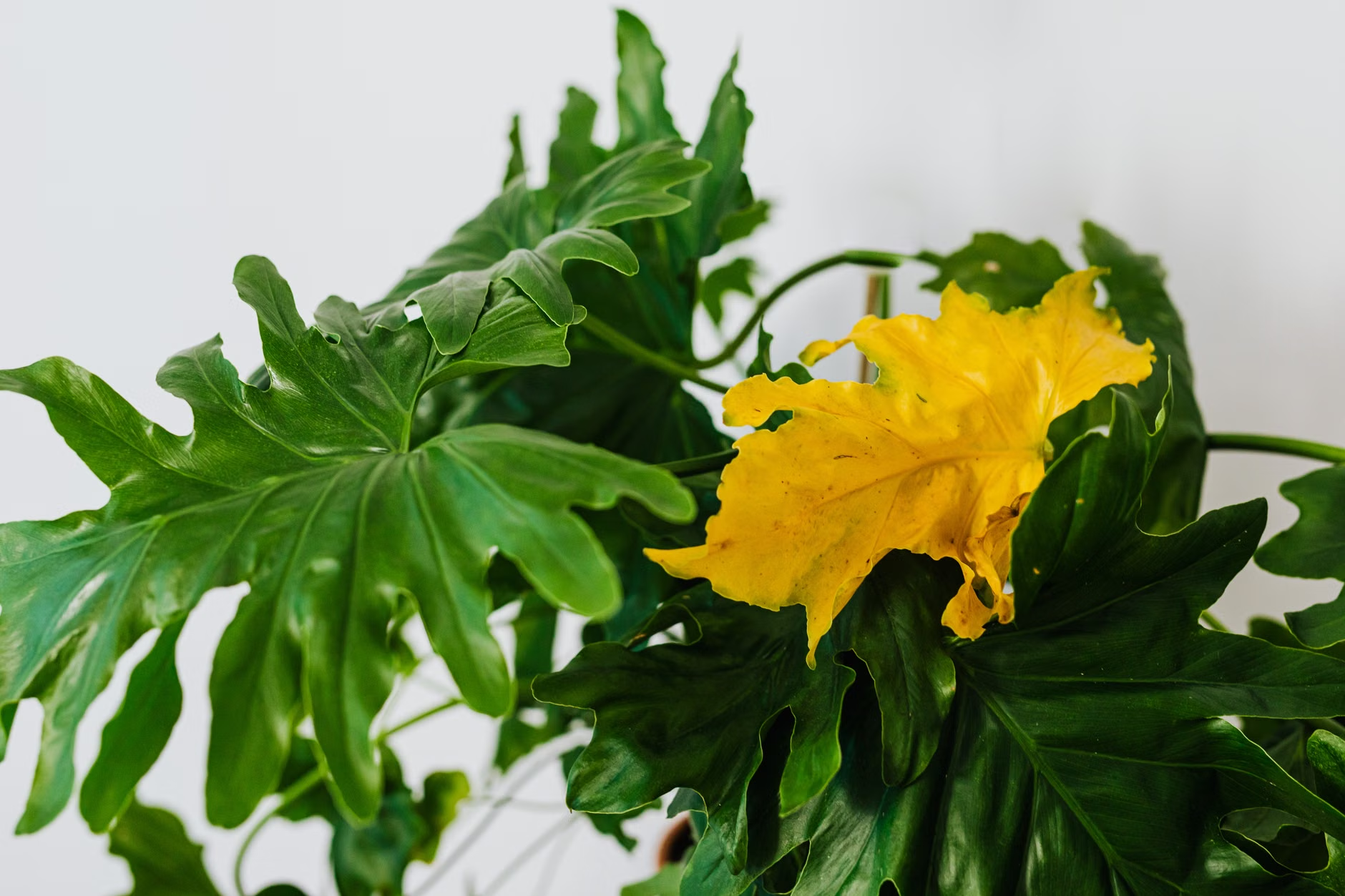
Yellow leaves, limp stems, stalled growth, and leaf drop often send people hunting for a fertilizer issue or a leaf disease. But many of those symptoms begin at the roots. Roots handle water uptake, oxygen access, and much of the plant’s ability to keep growing. Clemson Extension notes that overwatering and underwatering can create similar above-soil symptoms because both damage root function, and excess soil moisture also reduces oxygen around the roots. (hgic.clemson.edu)
TL;DR
- Wilt after watering is a root clue, not proof that a plant is thirsty. Damaged or rotting roots can leave a plant unable to take up water even when the mix is wet. (hgic.clemson.edu)
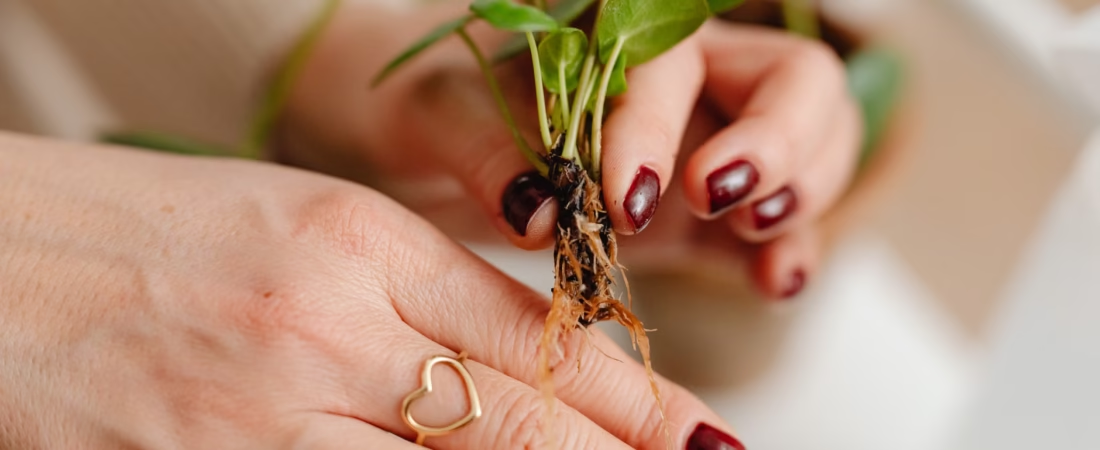
- Healthy roots are usually white, cream, or tan and feel firm. Dark, soft, or sour-smelling roots point to trouble. (content.ces.ncsu.edu)
- Fast runoff plus dense circling roots usually means the plant is rootbound. A pot that stays heavy and wet can point to low oxygen or rot. (extension.psu.edu)
- Use a pot with drainage, and size up only one step. Oversized pots can stay wet too long and create new root problems. (hgic.clemson.edu)
Start with the ROOT Check
A simple way to diagnose a struggling plant is the ROOT Check: Read the watering pattern, Observe the pot and soil surface, Out-of-pot inspect the root ball, and Touch and smell the roots. It is more reliable than guessing from a single yellow leaf because the same leaf symptoms can come from crowding, drought stress, waterlogging, old mix, or actual rot. The goal is not to repot every plant. The goal is to find out whether the root system is crowded, decaying, chronically dry, or basically sound. (hgic.clemson.edu)
- R – Read the watering pattern. If the plant wilts shortly after watering, or stays wilted even though the mix is damp, root injury is possible. If water rushes straight through and the plant dries out again too fast, the root ball may be packed with roots, or the mix may have become hard to rewet. (hgic.clemson.edu)
- O – Observe the pot and soil surface. Look for roots at the drainage holes, roots rising at the top, top-heavy growth, algae on the soil, fungus gnats, or crusty salt deposits. Those clues can point to overpotting, standing moisture, root crowding, or fertilizer buildup. (extension.umn.edu)
- O – Out-of-pot inspect the root ball. Slide the plant out and check the sides and bottom first. If roots are circling tightly, or the bottom third is so dense that you can barely see potting mix, the plant is likely pot-bound. (extension.psu.edu)
- T – Touch and smell the roots. Healthy roots are generally firm and pale. Unhealthy roots are often dark, soft, slimy, or sour-smelling. If the roots are dry and brittle instead, the plant may have been allowed to dry too hard, too often. (content.ces.ncsu.edu)
What healthy roots actually look like
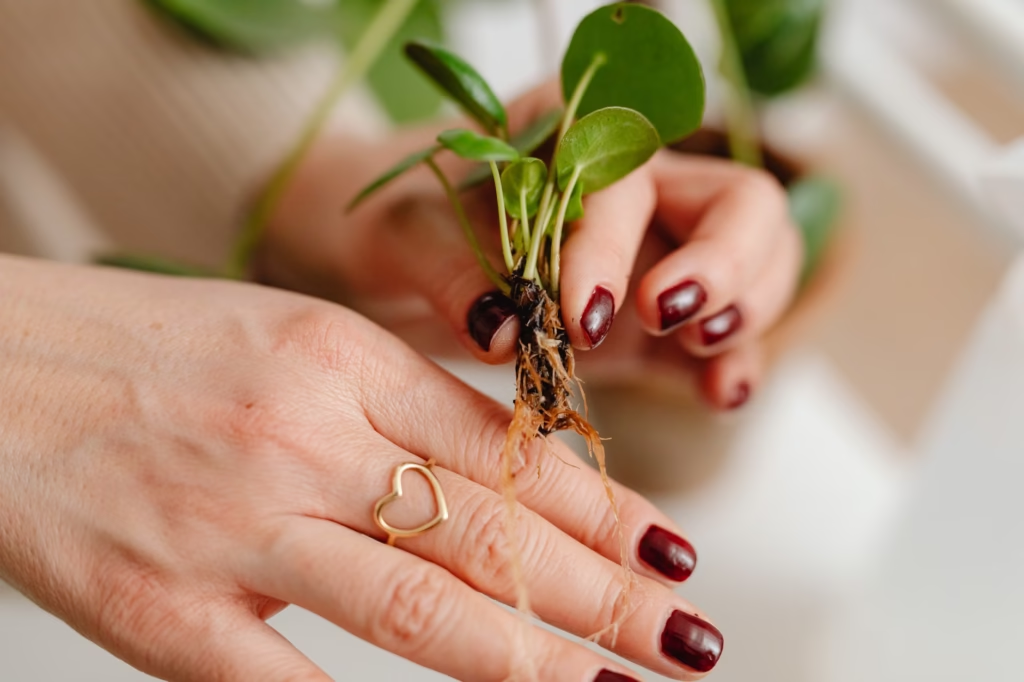
For most common foliage houseplants, a healthy root system is pale and firm, with roots growing down and around the pot without wrapping into a hard spiral. NC State notes that healthy roots are usually white or tan and should not be circling horizontally around the inside of the container. Color alone is not enough, though. Older roots can look less bright than new tips, so texture matters too: firm is good, mushy is not. A surprisingly small root system in a very large pot is also a warning sign, because too much unused potting mix can stay wet longer than the plant can handle. (content.ces.ncsu.edu)
Match the root ball to what the leaves are telling you
| What you see below the soil | What it usually means | Best next move |
|---|---|---|
| Roots are circling the pot wall or packed tightly at the bottom; water runs through very fast. (extension.psu.edu) | The plant is rootbound, and there is too little mix left to hold enough water and nutrients. (content.ces.ncsu.edu) | Move up one pot size, or root-prune only if you need to keep the same overall plant size. (hgic.clemson.edu) |
| Roots are brown to black, soft, or slimy; the pot smells sour and stays wet for days. (hgic.clemson.edu) | The roots have been sitting in low-oxygen conditions, and rot is likely involved. Overwatering, poor drainage, and overpotting are common drivers. (hgic.clemson.edu) | Trim obviously dead roots, replant in fresh sterile mix in a pot with drainage, and be realistic if most of the root system is gone. (hgic.clemson.edu) |
| The mix has pulled away from the pot; roots feel dry, brittle, or sparse; water channels down the edge. (hgic.clemson.edu) | The plant has likely gone through chronic drought stress, and some feeder roots may have died back. (content.ces.ncsu.edu) | Rehydrate thoroughly, then reset watering by feel rather than by calendar. Refresh the mix if it still resists wetting. (hgic.clemson.edu) |
| There is very little root mass compared with the pot size, and the mix stays cool and soggy. (extension.umn.edu) | The plant may be overpotted or still recovering from earlier root loss. (extension.psu.edu) | Use a smaller container with fresh mix and wait for active regrowth before sizing up again. (hgic.clemson.edu) |
| Roots are firm, pale, and not crowded; the root ball is stable but not solid. (content.ces.ncsu.edu) | Major root failure is less likely, so the problem may be light, pests, temperature swings, or feeding. That is an inference from a functional root system, not a direct diagnosis. (hgic.clemson.edu) | Check window exposure, inspect leaf undersides, and review watering and fertilizer habits before you repot. (extension.umn.edu) |
A realistic apartment example
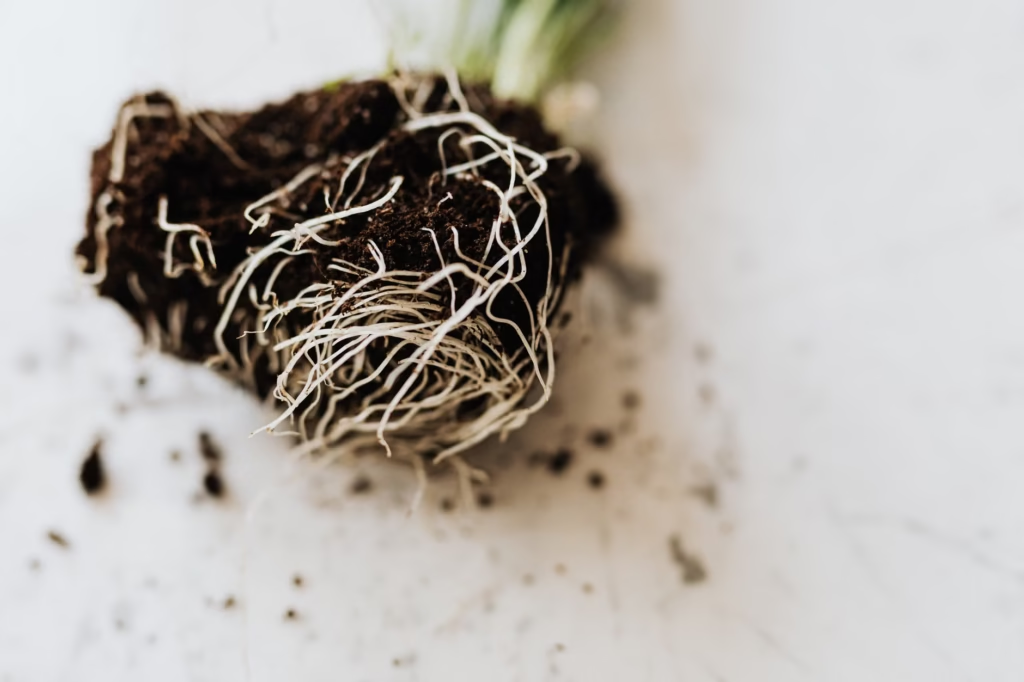
Picture a pothos in a small apartment living room: low winter light, a decorative cachepot, and a Saturday watering routine that never changes. By midweek the leaves droop, so the owner waters again. The top inch dries, but the lower mix stays wet, fungus gnats show up, and the newest leaves get smaller. A root check would probably show that the plant is not truly thirsty. It is more likely dealing with a mix of reduced light, repeated wet feet, and declining roots. In that case, the right fix is not more water. It is a pot with drainage, fresh mix, a watering reset based on soil feel, and possibly a smaller pot if the root system has already shrunk. (hgic.clemson.edu)
How to inspect roots without turning a diagnosis into more stress
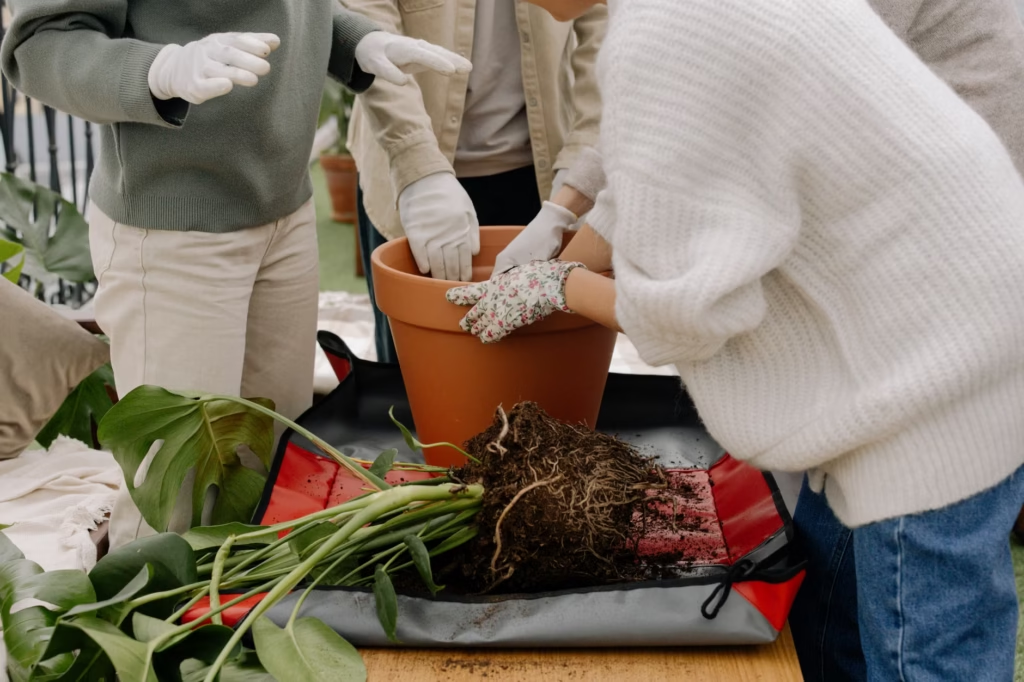
- If you suspect the plant is rootbound and bone dry, water it first and let it sit for about an hour so the root ball is easier to remove. If you suspect active rot, inspect first rather than adding more water. The second point is a practical inference; the first comes directly from repotting guidance. (extension.psu.edu)
- Tip the pot and support the base of the plant. If it sticks, tap the rim against a solid surface or run a straight knife around the inside wall to release the root ball. (hgic.clemson.edu)
- Inspect the sides and bottom before you start teasing anything apart. You are looking for density, circling, smell, color, and whether there is still usable potting mix between the roots. (extension.psu.edu)
- Choose the smallest fix that matches the evidence. If the roots are healthy but crowded, go up only one pot size. If the roots are healthy and not crowded, the plant may only need fresh mix or a change in care. If only a few roots are rotten, cut those away and repot in clean mix. (hgic.clemson.edu)
- Use fresh potting mix made for containers, not garden soil. If you reuse a pot, clean and sanitize it first. Fresh mix improves drainage and oxygen around the roots. (extension.psu.edu)
- Replant so the top of the root ball sits just below the pot rim, then water thoroughly and let the excess drain away. Do not leave the pot sitting in runoff. (hgic.clemson.edu)
A decorative cachepot is not a planting pot. Keep the plant in an inner pot with drainage holes, and empty standing water after watering. (extension.psu.edu)
Common mistakes that blur the diagnosis
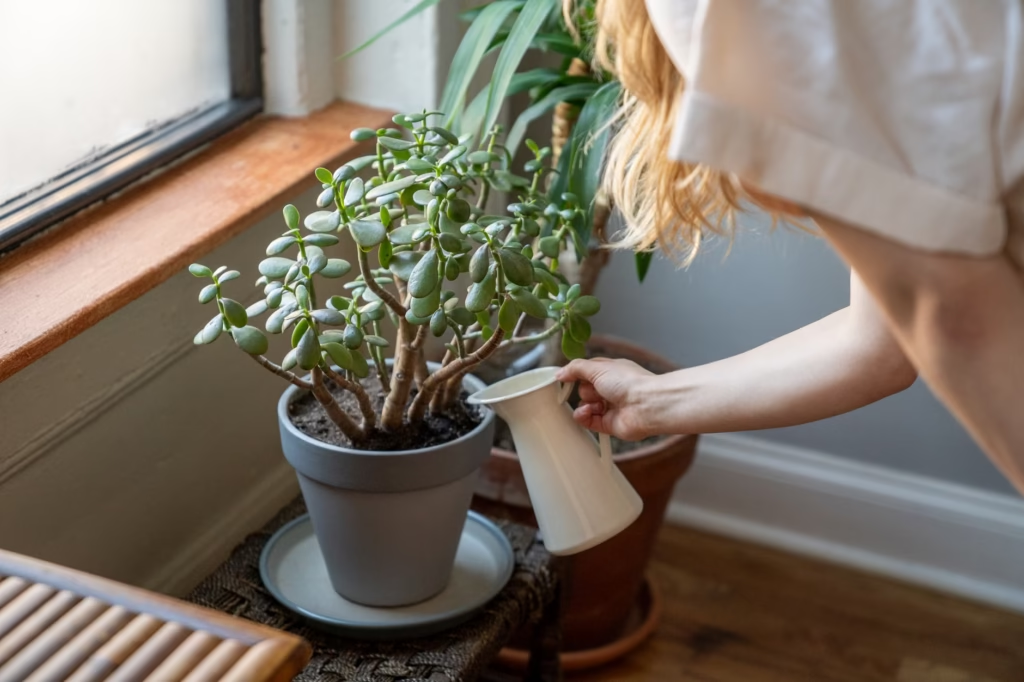
- Treating wilt as proof the plant needs water. Clemson notes that overwatering and root injury can cause the same wilt you see in a dry plant. (hgic.clemson.edu)
- Watering by calendar instead of by conditions. Pot type, light, temperature, humidity, soil mix, and root mass all change how quickly a plant dries. (hgic.clemson.edu)
- Jumping several pot sizes up. University of Minnesota guidance warns that plants in containers that are too large can become susceptible to root rot. (extension.umn.edu)
- Planting directly into a cachepot or leaving water in the saucer. Drainage holes matter, and standing water keeps the lower root zone wetter than many apartment plants can tolerate. (extension.psu.edu)
- Adding rocks or pottery shards as a so-called drainage layer. Clemson specifically advises against this because it slows water movement through the pot. (hgic.clemson.edu)
- Using garden soil or endlessly reusing exhausted, compacted mix. Penn State warns that garden soil can bring disease and pest problems indoors, and NC State notes that aging media loses drainage and aeration as it breaks down. (extension.psu.edu)
- Trying to solve yellow leaves with more fertilizer before checking the roots. Excess salts can damage roots and make stress worse. (content.ces.ncsu.edu)
Where the root check has limits
The root check is powerful, but it is not the answer to every plant problem. Clemson notes that diseases are not especially common on most houseplants grown indoors, and a plant with decent roots can still struggle from low light, sudden sun exposure, pests, cold drafts, or salt buildup from overfeeding. Water needs also shift with the season and the setting, so the same plant may dry very differently in July than in January. Planned repotting is generally easiest during active growth, even though emergency rescue from rot may need to happen whenever you find it. If the roots look basically healthy, stop unpotting and move on to a light and pest inspection instead. (hgic.clemson.edu)
To verify that your diagnosis was right, watch the plant for the next two to six weeks instead of expecting an overnight rebound. A successful fix usually shows up as a more predictable drying pattern, less wilt after watering, and steadier new growth. At the next normal repot or gentle slip-check, you should also expect firmer roots and fresh pale root tips. That recovery sequence is a practical inference from how functional roots behave and what healthy root systems look like. If the plant keeps declining even though the roots now look sound, shift your attention to light, pests, or environmental stress. (hgic.clemson.edu)
If you find only a few rotten roots, salvage is reasonable. If most roots are gone, the crown is soft, or decline continues after repotting, replacing the plant may be more practical than repeated rescue attempts. (hgic.clemson.edu)
The useful takeaway
A root check does not mean every struggling plant needs a bigger pot. It means you stop guessing. Once you know whether the roots are crowded, rotting, drought-stressed, or basically healthy, the right fix becomes much clearer, and you are less likely to waste time on random fertilizer, rescue sprays, or more watering than the plant can actually use. (content.ces.ncsu.edu)
FAQ
How often should I do a root check on a houseplant?
Not on a schedule. Do it when the plant shows mixed signals, when roots are emerging from the pot, when watering behavior changes, or when growth has slowed without a clear explanation. Routine unnecessary disturbance can set a plant back. (hgic.clemson.edu)
Can I inspect the roots without fully repotting?
Yes. A quick slip-check is often enough. Slide the plant out, inspect the sides and bottom of the root ball, and return it to the same pot if the roots look healthy and the mix is still serviceable. (content.ces.ncsu.edu)
Should I cut circling roots on a rootbound plant?
Usually start by gently loosening or teasing them apart. If the root ball is extremely tight, Clemson advises scoring or loosening it, and Penn State notes that root pruning is an option when you want to keep the plant the same size rather than move to a larger pot. (hgic.clemson.edu)
Can a plant recover from root rot?
Sometimes. Clemson says that if only a few roots are infected, you can remove those roots and repot in sterile soil. Penn State also notes that severely affected plants may need to be discarded, so recovery depends on how much living root system remains. (hgic.clemson.edu)
Do drainage rocks at the bottom of the pot help?
No. Clemson’s repotting guidance says not to add a layer of clay pieces or rocks because it slows water movement through the pot instead of improving drainage. (hgic.clemson.edu)
If the roots look fine, what should I check next?
Look at light first, then pests, temperature swings, and fertilizer habits. Healthy-looking roots make major root failure less likely, but a plant can still struggle from low light, sudden brighter sun, insects, or salt buildup in the mix. (extension.umn.edu)
References
- Clemson Extension – Indoor Plants: Watering – https://hgic.clemson.edu/factsheet/indoor-plants-watering/
- Clemson Extension – Indoor Plants: Transplanting & Repotting – https://hgic.clemson.edu/factsheet/indoor-plants-transplanting-repotting/
- Clemson Extension – Houseplant Diseases & Disorders – https://hgic.clemson.edu/factsheet/houseplant-diseases-disorders/
- NC State Extension Publications – Plants Grown in Containers – https://content.ces.ncsu.edu/extension-gardener-handbook/18-plants-grown-in-containers
- Penn State Extension – Repotting Houseplants – https://extension.psu.edu/repotting-houseplants
- University of Minnesota Extension – Winter houseplant tips – https://extension.umn.edu/news/winter-houseplant-tips
- University of Minnesota Extension – Spring houseplant care – https://extension.umn.edu/houseplants/spring-houseplant-care
- Penn State Extension – Pest and Disease Problems of Indoor Plants – https://extension.psu.edu/pest-and-disease-problems-of-indoor-plants