You do not need a dedicated light meter to get a useful read on apartment light. For houseplants, the practical question is not whether a room feels bright to you, but what happens in the plant’s exact spot: does the sun hit it directly, what kind of shadow does it make, and how far is it from the window? Extension guides also point out that human eyes adapt so well indoors that we routinely overestimate dim areas. (gardeningsolutions.ifas.ufl.edu)
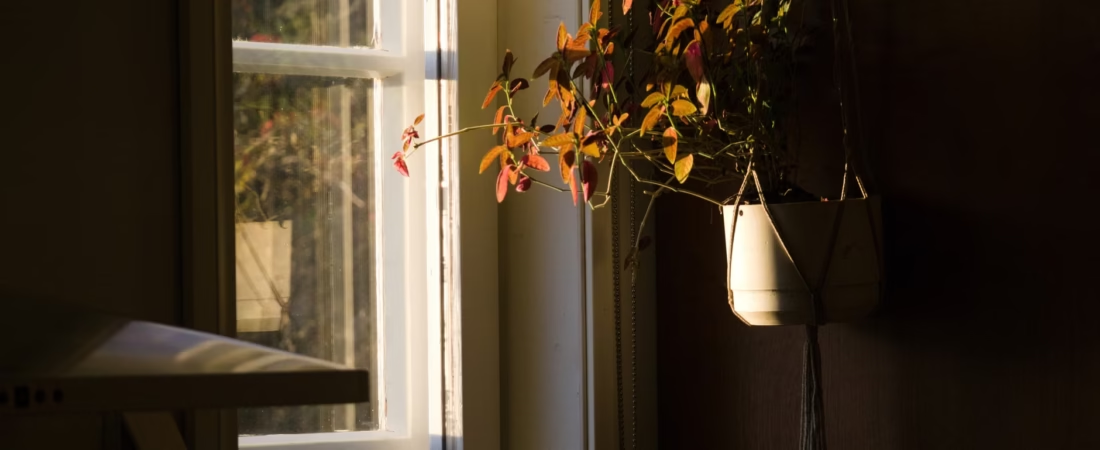
In broad terms, low light indoors usually means little natural light, little to no direct sun, and a location such as a north-facing window, a shaded corner, or a spot set back from the glass. University and extension sources place low light roughly in the 25 to 100 foot-candle range, with medium light starting above that and often showing up near east- or west-facing windows without direct sun. (extension.umn.edu)
Start with the spot, not the room
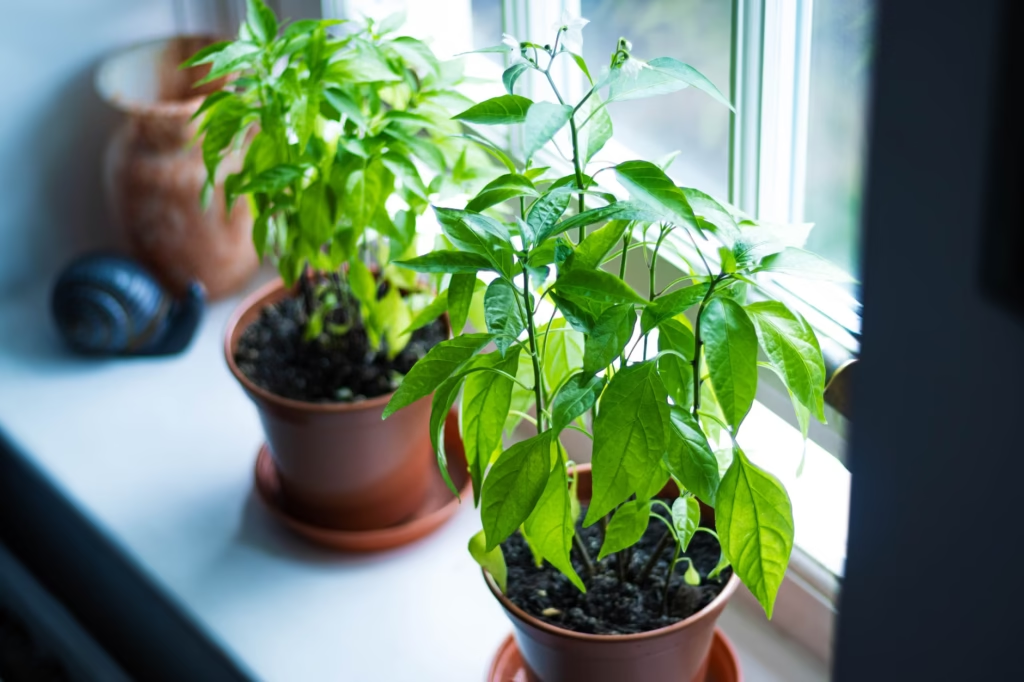
First, ignore the general brightness of the room and look only at the place where the pot will sit. If that spot gets a regular patch of direct sun on clear days, it is probably not true low light. Then look at the window itself. South-facing windows usually provide the most natural light in US homes, north-facing windows are commonly the dimmest, and east- or west-facing windows often fall somewhere in the middle. But that rule is only a starting point. Roof overhangs, trees, neighboring buildings, curtains, screens, and even the season can cut the amount of light that actually reaches the plant.
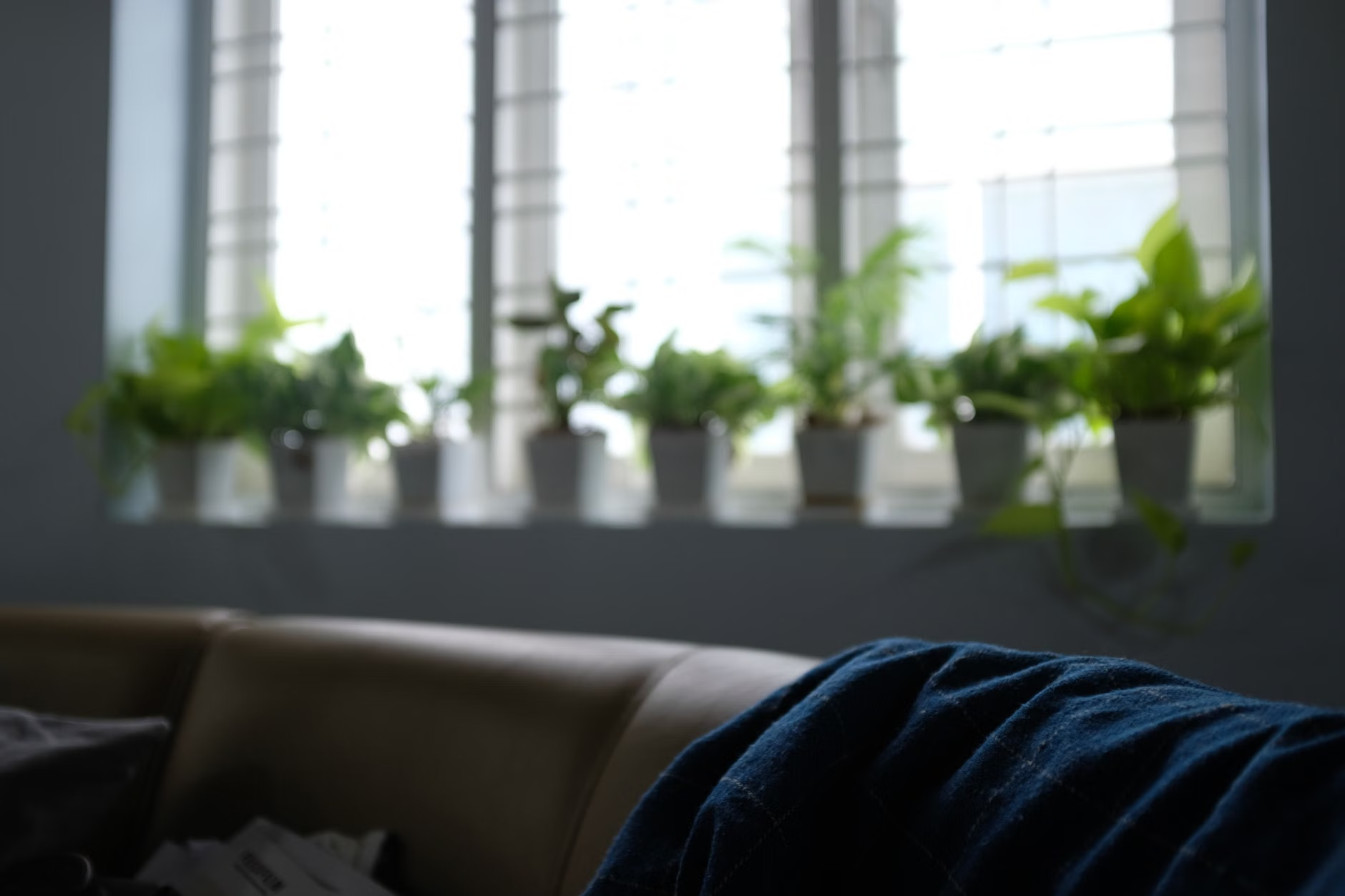
Distance matters too: extension sources note that light intensity drops rapidly as you move farther from the window. A sill, a side table next to the glass, and a bookshelf across the room are three different light zones. (extension.umn.edu)
That is why a cactus may be fine in an unobstructed south window but struggle on a back wall, while a ZZ plant, snake plant, or peace lily is a more realistic choice for that dimmer placement. Matching the plant to the actual light is usually more effective than trying to force a high-light plant to tolerate a low-light apartment corner. (extension.umd.edu)
A simple apartment light check
- Check the same spot on a reasonably bright day and compare locations at roughly the same time. That gives you a cleaner read because window direction, weather, season, and outdoor obstructions all change indoor light. (extension.umn.edu)
- Look for direct sun first. If sunlight is actually landing on the leaves, pot, wall, or floor in that spot, you are no longer dealing with classic low light. (yardandgarden.extension.iastate.edu)
- Use a hand-shadow check. Hold your hand or forearm in the plant’s spot against a pale surface. Iowa State describes bright, indirect light as bright enough to cast a distinct shadow without direct sun on the foliage. So if the shadow is weak and the spot also gets no regular direct sun, it is reasonable to treat that area as likely low light. (yardandgarden.extension.iastate.edu)
- Check distance from the glass. If the plant is several steps back from the window, tucked beside a wall, or placed around a corner where it sees only borrowed light, expect a meaningful drop in intensity. (extension.umd.edu)
- If you already own a smartphone, a light meter app can help you compare one spot with another. UF/IFAS notes that phone readings are approximations, not precision measurements, so use them to compare relative brightness rather than chase exact numbers. (gardeningsolutions.ifas.ufl.edu)
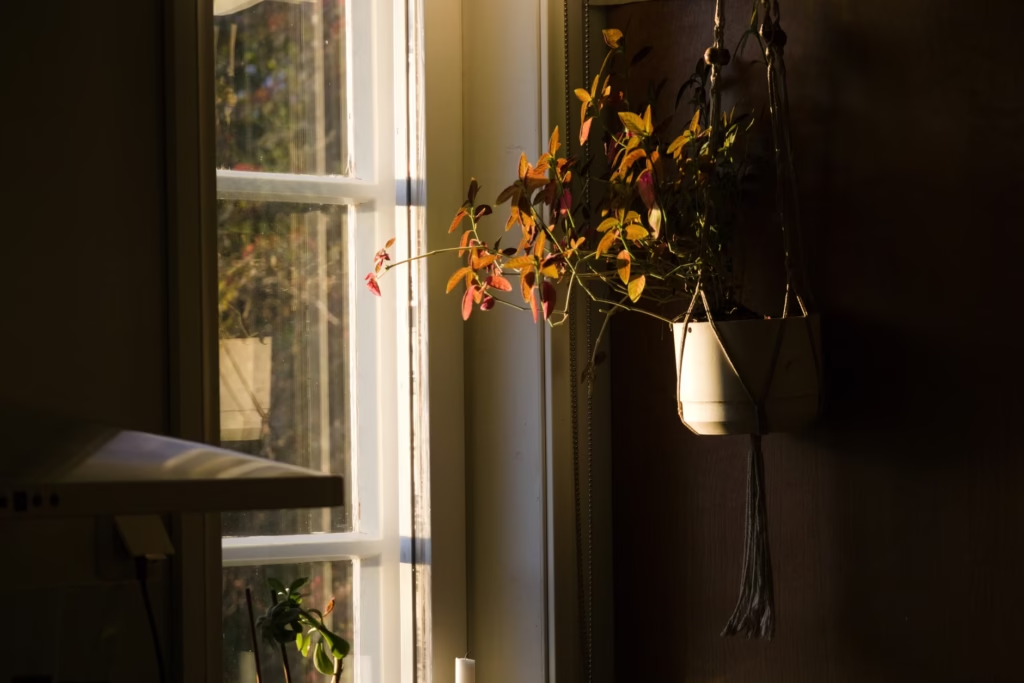
Tip: A useful rule for apartment plant shopping: if a spot has no direct sun, makes only a weak shadow, and sits back from a window or behind outdoor shade, shop from the low-light category instead of the bright-indirect category. (extension.umn.edu)
Let the plant confirm your reading
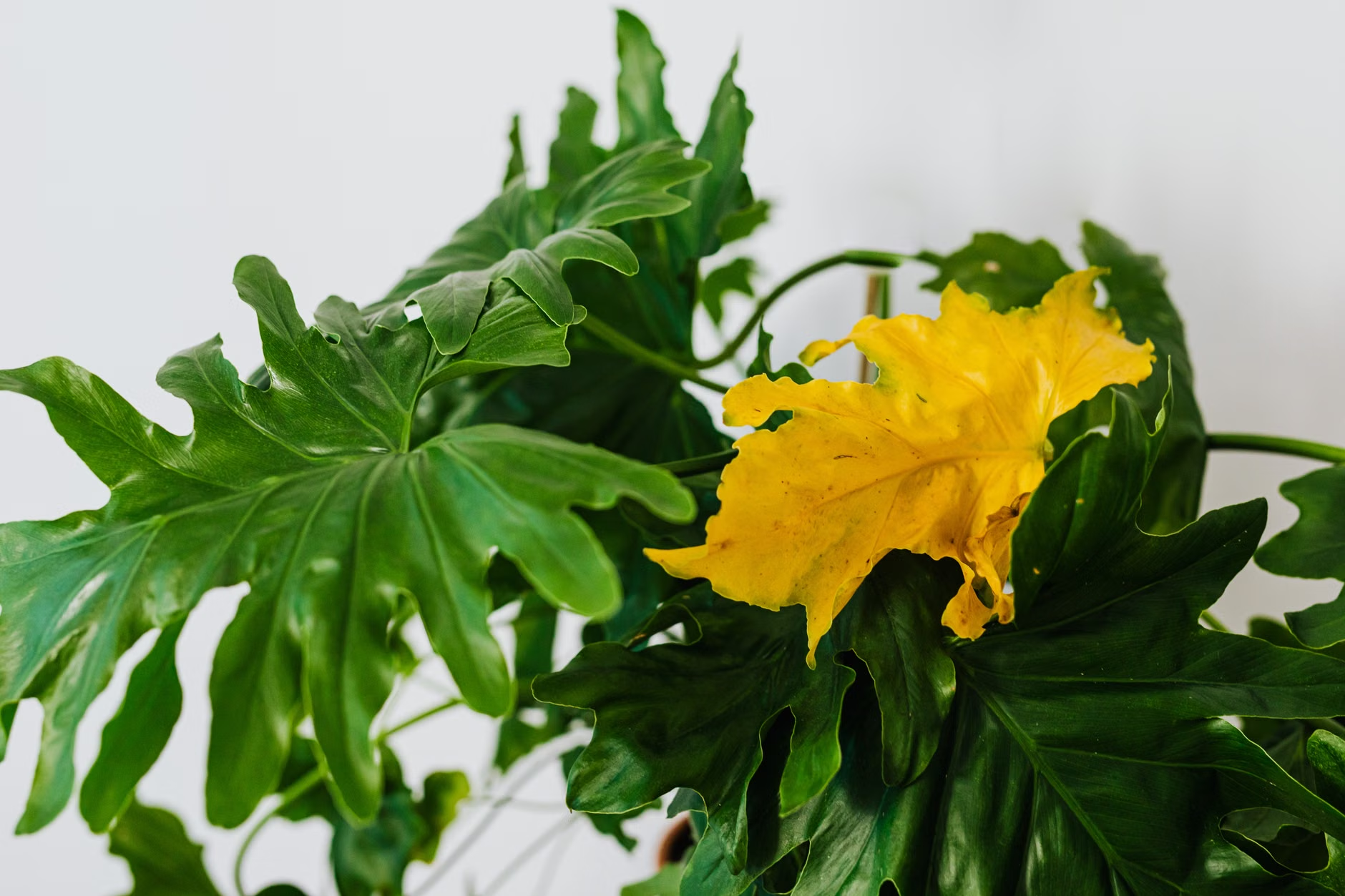
Once the plant is in place, use the next few weeks as a reality check. Extension sources say that plants short on light may grow slowly, stretch toward the window, develop longer gaps between leaves, lose older leaves, lose variegation, or fail to flower well. In lower light, they also use water more slowly, which means overwatering becomes easier. If a plant seems stalled and the soil stays wet for a long time, low light may be part of the problem. (extension.umn.edu)
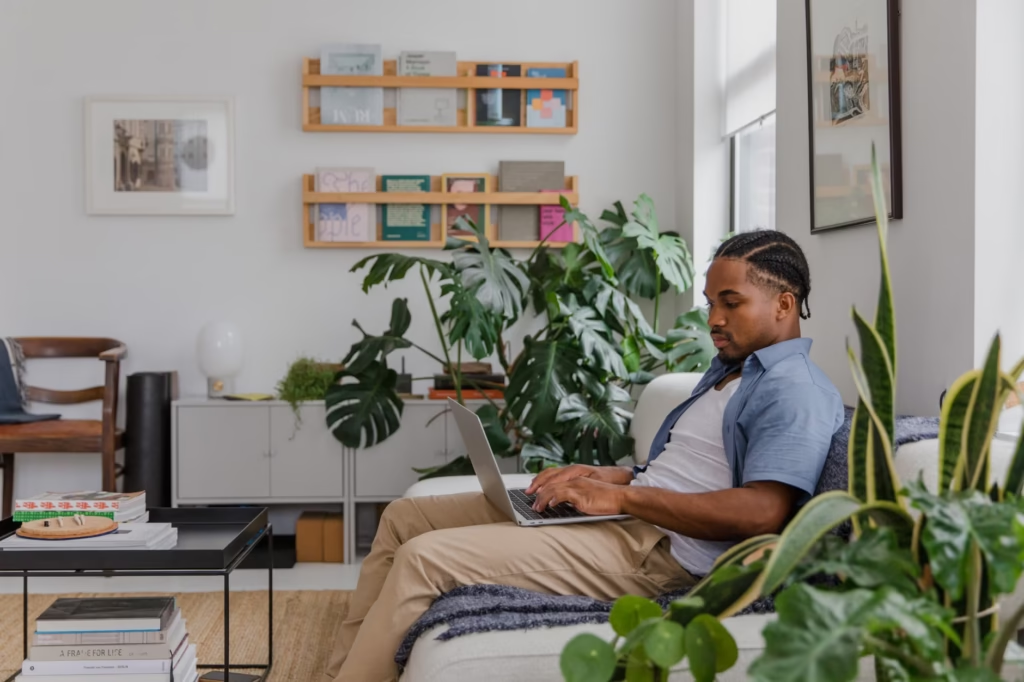
Too much light shows up differently. Leaves may bleach, scorch, turn pale, or brown, especially where direct sun hits them. If that happens, move the plant a bit farther from the window or soften the light with a sheer curtain, then watch the new growth. Old damage will not repair itself, so the next leaves tell you whether the new placement is better. (extension.umd.edu)
The easiest way to judge low light in an apartment is to stop judging the whole room and judge the plant’s exact spot. No regular direct sun, a weak shadow, and a placement shaded from or set back from the window usually put you in low-light territory. That is accurate enough to choose better plants, water more sensibly, and stop guessing. (extension.umn.edu)
References
- University of Minnesota Extension – Lighting for indoor plants and starting seeds – https://extension.umn.edu/planting-and-growing-guides/lighting-indoor-plants
- UF/IFAS Gardening Solutions – Light for Houseplants – https://gardeningsolutions.ifas.ufl.edu/plants/houseplants/light-for-houseplants/
- Iowa State University Extension and Outreach – How to Care for Houseplants – https://yardandgarden.extension.iastate.edu/how-to/how-care-houseplants
- University of Maryland Extension – Lighting for Indoor Plants – https://www.extension.umd.edu/resource/lighting-indoor-plants