TL;DR
- The most common apartment-plant mistake behind yellow leaves is overwatering, often caused by watering on a schedule instead of checking the pot first. (extension.umd.edu)
- Apartment conditions make that mistake easier to make: lower light slows growth, decorative cachepots trap water, and oversized containers hold moisture longer. (extension.umd.edu)
- Before you buy fertilizer, new gadgets, or a replacement plant, use the DRAIN Scorecard in this article to sort wet-soil problems from light, salt, or pest issues. (extension.umd.edu)
- If roots are still light-colored and firm, the plant often has a decent chance to recover. If roots are dark and soft, you may be dealing with rot and need a backup plan. (extension.umd.edu)
- White crust on the soil, webbing, cottony clusters, or tiny white insects are signs that yellow leaves may not be a simple watering issue. (extension.umd.edu)
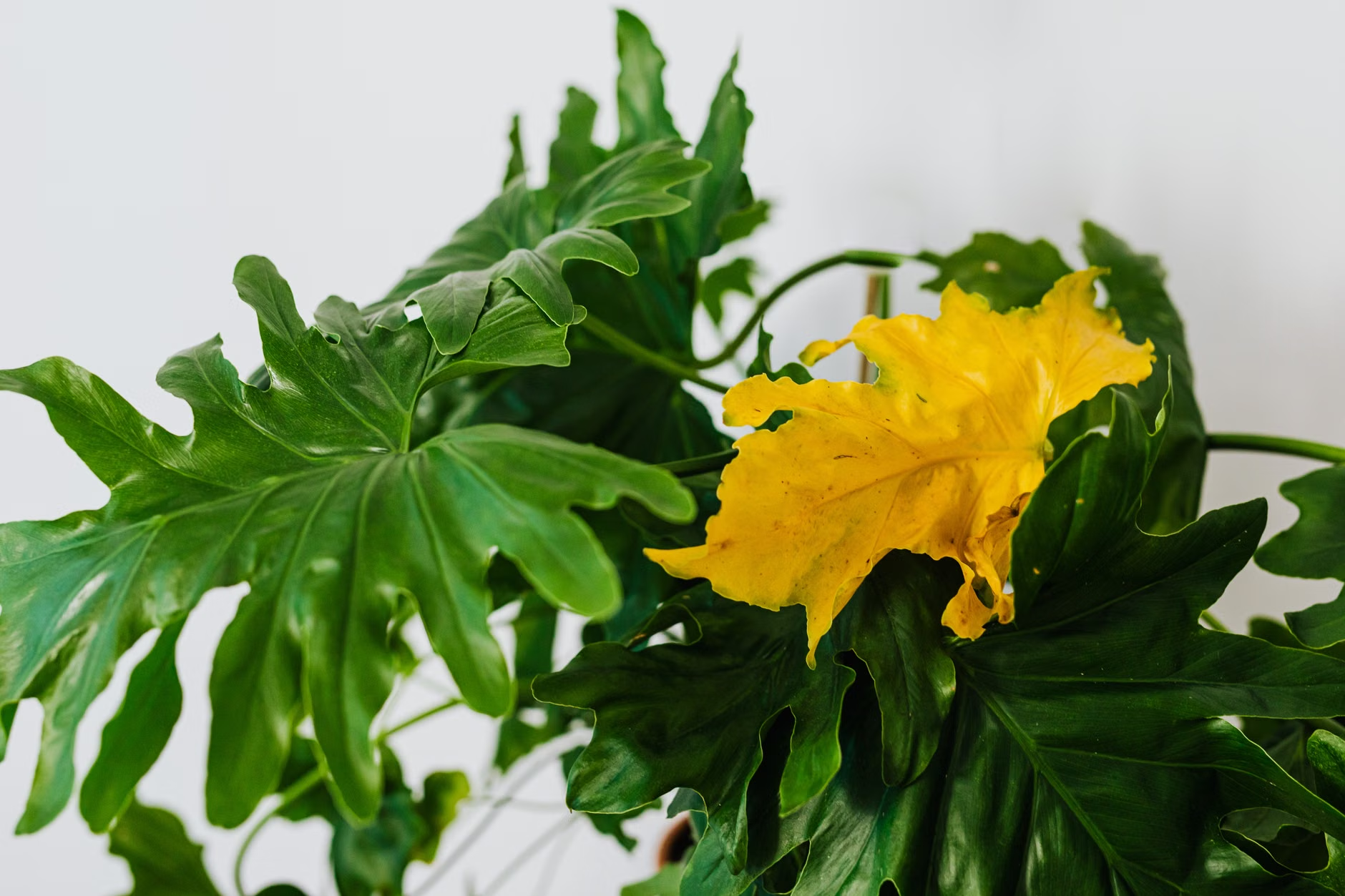
Before you buy another bottle of plant food or give up on a plant that looked fine last week, check the least glamorous possibility first: too much water. University of Maryland Extension notes that overwatering is the number one reason indoor plants fail, and yellowing leaves are a common early sign of stress. (extension.umd.edu)
That matters for your wallet as much as your windowsill. A yellowing pothos or peace lily often sends people shopping for fertilizer, a moisture meter, insect spray, or a brand-new plant. In many apartments, the cheaper fix is simpler: stop watering by habit, improve drainage, and let the root zone breathe again. That is why the real mistake is not just overwatering. It is watering on autopilot in a home where the soil dries slowly. (extension.umd.edu)
This article is informational. Yellow leaves can come from the environment, pests, or disease. If the plant is valuable to you or symptoms are spreading quickly, consider getting a second opinion from your state Extension service or a reputable local garden center. (extension.umd.edu)
The real mistake is watering on autopilot
A lot of apartment plant owners do the same thing every Sunday: add water because seven days have passed. Extension guidance says that is not the best method. Indoor plants should be watered when they need it, not by the calendar, because light, temperature, humidity, pot size, and potting mix all affect how fast the root zone dries. When the soil stays wet too long, leaves often yellow or drop because roots are stressed and short on oxygen. (extension.umd.edu)
This shows up especially in apartments. A plant that grew quickly near a bright summer window may use much less water in winter or in a deeper room. A nursery pot tucked inside a nice ceramic container can also collect hidden runoff. And when a plant is moved into a much larger pot, the extra soil can stay wet longer than the roots can use it. All three conditions can make a careful owner look neglectful when the real issue is too much attention. (extension.umd.edu)
Use the DRAIN Scorecard before you buy anything
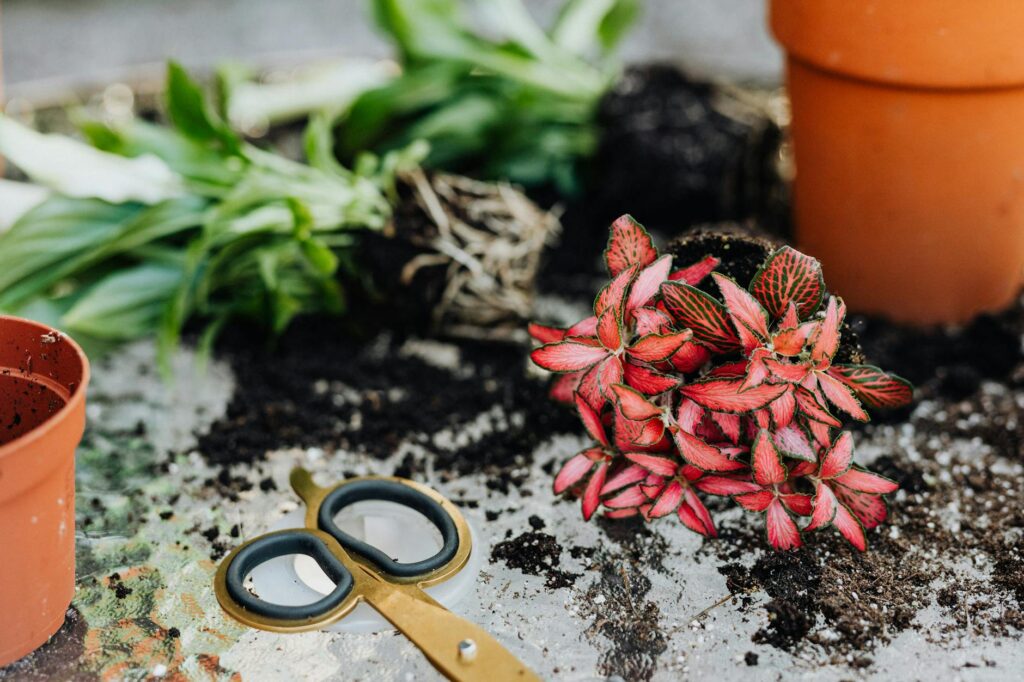
The DRAIN Scorecard is a five-part yellow-leaf triage tool for apartment plants. Check Drainage, Root-zone moisture, Apartment light, Inner-pot water, and Nutrient residue before you spend money. If two or more boxes come up red, treat the plant-care setup first and postpone shopping. In many cases, diagnosis beats buying. (extension.umd.edu)
| Check | 30-second test | Red flag | Lowest-cost first move |
|---|---|---|---|
| D: Drainage | Look under the pot. Does water have a clear exit path? | No drainage hole, or the plant lives inside a decorative pot that holds runoff. | Move the plant into a nursery pot with holes, or remove the inner pot to water in the sink and empty the outer pot completely. (extension.psu.edu) |
| R: Root-zone moisture | Push a finger about 2 inches into the mix. | It is still damp or soggy, but you were planning to water anyway. | Wait. Do not water until the mix reaches the dryness level that fits the plant. Watering by soil condition is more reliable than watering by date. (extension.umd.edu) |
| A: Apartment light | Ask whether the plant gets bright indirect light, low light, or only ambient room light. | The plant sits far from a window, growth is slow, and the soil stays wet for many days. | Move it closer to appropriate light, but avoid a sudden jump into harsh direct sun that can scorch leaves. (extension.umd.edu) |
| I: Inner-pot water and pot size | Lift the nursery pot out. Check for standing water and ask whether the new pot is much larger than the old one. | Water is pooled at the bottom, or the plant was upsized too aggressively. | Empty trapped water right away. If you repot, go only one size up, not several sizes larger. (extension.umn.edu) |
| N: Nutrient residue | Look for white crust on the soil or pot rim and think about recent fertilizer use. | Visible salt buildup, recent heavy feeding, or repeated bottom watering with no flushing. | Flush from the top with clear water and let it drain fully; repot with fresh mix if buildup is severe. (extension.umd.edu) |
A realistic apartment example
Consider a composite renter example. A 6-inch pothos costs $26. A ceramic cachepot costs $24. After two older leaves turn yellow, the owner buys a $14 fertilizer and keeps watering every Sunday because the plant used to dry out faster near the window in August. By November, eight leaves are yellow, the pot feels heavy most of the week, and there is water sitting inside the decorative pot after each watering. The owner is now $64 in and thinking about replacing the plant.
The cheaper rescue path is usually not another product. It is taking the inner pot out, letting the root ball drain fully, pausing watering until the soil actually dries where the roots are, and only repotting if the roots are crowded, the mix has broken down, or the pot setup is trapping water. If a repot is needed, a basic nursery pot and fresh mix may cost around $15 total, which is still less than replacing the plant and guessing again. (extension.umd.edu)
The yellow-leaf reset
- Stop the calendar reminder. Watering on a fixed schedule is one of the easiest ways to keep potting mix too wet. Check the plant instead of the date. (extension.umd.edu)
- Take the pot to a sink or tub and separate the nursery pot from any decorative outer pot. Dump any standing water and make sure excess water can drain away. (extension.psu.edu)
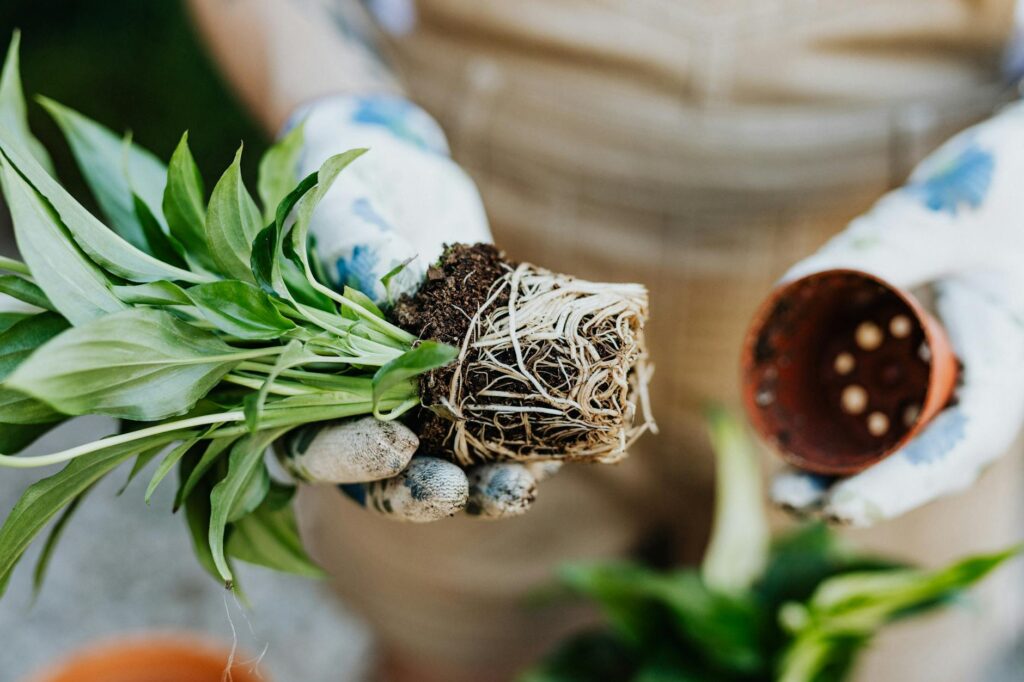
- Check the mix about 2 inches down. If it is still moist, wait. If it is soggy and the plant is yellowing, slide the plant out and inspect the roots. Healthy roots are generally light-colored and firm; rotting roots are darker and soft. (extension.umd.edu)
- If roots are mostly healthy, return the plant to a container with drainage and do not size up unnecessarily. If you must repot, choose only a slightly larger pot. Too much extra soil can hold too much water. (extension.umn.edu)
- Trim leaves that are fully yellow, but keep green leaves that are still helping the plant. Then improve placement by giving the plant the light it actually needs, usually brighter indirect light rather than a dramatic move into hot direct sun. (extension.umd.edu)
- If you see white crust on the soil or pot rim, flush the mix from the top with clear water and let it drain completely. Severe salt buildup may justify fresh potting mix. (extension.umd.edu)
- Look under leaves and along stems before you call the job done. If you find webbing, cottony clusters, scale bumps, or small white insects, isolate the plant and treat the pest issue separately. (extension.umn.edu)
When the first plan is not enough
Yellow leaves are often a wet-soil problem, but not always. If the plant keeps yellowing after you correct watering and drainage, the next suspects are usually low light, fertilizer salt buildup, pests, or a more advanced root problem. Extension guidance also notes that sudden changes in temperature or light can trigger stress, which is common in apartments with cold glass, hot radiators, or heating vents. (extension.umd.edu)
- If most roots are still firm, scale back watering and give the plant two to three weeks before making another major change. Stressed plants do not recover overnight. (extension.umd.edu)
- If a large share of the roots are mushy or black, cut away rotten parts, repot into fresh mix, and be realistic about survival odds. For trailing plants, taking a few healthy cuttings can be the best backup plan. University of Maryland Extension specifically notes that severely damaged plants may need to be discarded or restarted from healthy sections. (extension.umd.edu)
- If yellowing comes with white crust on the soil, brown tips, or a history of heavy feeding, treat salts before adding more fertilizer. More plant food can make the diagnosis worse. (extension.umd.edu)
- If yellowing comes with stippling, webbing, cottony residue, sticky surfaces, or tiny flying insects, switch from watering diagnosis to pest diagnosis. Isolate the plant so the problem does not spread. (extension.umn.edu)
Common mistakes that cost plants and money
- Buying fertilizer first. Yellow leaves can be caused by wet soil, root rot, salt buildup, low light, or pests, so feeding a stressed plant is often the wrong first move. (extension.umd.edu)
- Repotting into a much larger container. Bigger is not safer. Extra soil can stay wet too long and raise the risk of root problems. (extension.umn.edu)
- Leaving the plant in a water-filled cachepot or saucer. If water cannot escape, the roots never get a real dry-down cycle. (extension.psu.edu)
- Changing everything at once. If you move the plant, fertilize it, repot it, and spray it on the same day, you lose the ability to tell what actually helped. This is an editorial rule, but it follows the same diagnostic logic Extension sources recommend: inspect first, then target the likely cause. (extension.umd.edu)
- Using leaf shine or cosmetic products to solve a root-zone problem. University of Minnesota Extension notes that leaf shine products are unnecessary, and they do not fix watering or light mistakes. (extension.umn.edu)
How to verify your fix is working
- Take a photo today and count how many leaves are fully yellow versus partly yellow. You need a baseline, or every new leaf will feel like a crisis.
- For the next 10 days, test the soil before you water. Use the same spot and depth each time so your comparison means something. The 2-inch finger check is a practical starting point for many houseplants. (extension.umd.edu)
- Lift the pot after watering and again a few days later. You are learning the difference between heavy-wet and light-dry. This is a low-cost substitute for buying more gear.
- Watch the drain cycle. Water should move through the pot and out the bottom, and trapped runoff should be emptied. If the mix stays soggy for a week in modest light, revisit pot size, drainage, and root health. (extension.psu.edu)
- Judge success by the next leaves, not the damaged ones. Old yellow leaves rarely turn green again. The signs that matter are fewer new yellow leaves, steadier moisture, and healthy new growth. This is an inference based on plant stress guidance and diagnostic practice. (extension.umd.edu)
Bottom line
If a healthy apartment plant suddenly starts yellowing, the first question usually is not, “What should I buy?” It is, “Why is this pot staying wet?” Overwatering – especially from watering on autopilot in low-light apartment conditions – is the most common place to start. Check drainage, check the soil, check the roots, and only then decide whether the plant needs more light, fresh mix, pest treatment, or replacement. (extension.umd.edu)
Frequently Asked Questions
Should I cut off yellow leaves right away?
If a leaf is fully yellow, you can remove it. If it is partly green, leave it unless it is clearly declining, since the plant can still use that tissue while it recovers. Extension advice generally supports removing leaves that are already yellow or damaged, not stripping the plant aggressively. (extension.umn.edu)
How do I tell too much water from too little water?
Start with the soil, not the leaf color alone. University of Maryland Extension notes that dry plants often wilt and look gray-green, while overly wet plants commonly drop leaves or turn yellow. The 2-inch soil check is the practical first test for many houseplants. (extension.umd.edu)
Do decorative pots without drainage holes actually matter?
Yes. A plant can sit in a perfectly good nursery pot and still suffer if runoff collects inside the outer container. Penn State and Minnesota Extension guidance both stress that containers need drainage and that trapped water raises the risk of root problems. (extension.psu.edu)
Can a plant recover after root rot starts?
Sometimes. If enough roots remain light and firm, the plant may recover after rotten roots are removed and the plant is repotted into a better setup. If damage is severe, Extension guidance suggests discarding the plant or rooting healthy sections as cuttings. (extension.umd.edu)
Is a moisture meter worth buying?
It can help if you routinely misread the soil, but it is not the first thing most apartment plant owners need to buy. A consistent finger test, a pot with drainage, and a habit of emptying runoff solve more yellow-leaf problems than another gadget. That is an editorial judgment, but it lines up with Extension guidance that focuses first on checking soil moisture and drainage rather than watering by schedule. (extension.umd.edu)
References
- University of Maryland Extension: Yellowing Leaves on Indoor Plants – https://extension.umd.edu/resource/yellowing-leaves-indoor-plants
- University of Maryland Extension: Watering Indoor Plants – https://extension.umd.edu/resource/watering-indoor-plants
- University of Maryland Extension: Lighting for Indoor Plants – https://extension.umd.edu/resource/lighting-indoor-plants
- University of Maryland Extension: Mineral and Fertilizer Salt Deposits on Indoor Plants – https://extension.umd.edu/resource/mineral-and-fertilizer-salt-deposits-indoor-plants
- University of Maryland Extension: Diagnose Indoor Plant Problems – https://extension.umd.edu/resource/diagnose-indoor-plant-problems/
- Penn State Extension: Repotting Houseplants – https://extension.psu.edu/repotting-houseplants
- Penn State Extension: Caring for Houseplants – https://extension.psu.edu/caring-for-houseplants
- University of Minnesota Extension: Winter houseplant tips – https://extension.umn.edu/news/winter-houseplant-tips
- University of Minnesota Extension: Spring houseplant care – https://extension.umn.edu/houseplants/spring-houseplant-care
- University of Minnesota Extension: Managing insects on indoor plants – https://extension.umn.edu/product-and-houseplant-pests/insects-indoor-plants