Apartment plant problems are usually cheapest to fix when they are still small. A few fungus gnats, one sticky leaf, or a saucer that stays wet can often be handled with a simple care change. Leave the issue alone for two weeks, and you may end up repotting, isolating, or replacing plants that were doing fine before. Extension guidance on indoor plants points to the same pattern: early detection and isolation matter. (extension.umn.edu)
You do not need a long routine to catch most trouble early. The most useful inspection points are leaf tops and undersides, leaf joints, the soil surface, pot rims, drainage areas, and saucers. In other words, the five-minute check works because the hiding places are predictable. (extension.umn.edu)
TL;DR
- Pair the check with watering day so it actually happens. Extension guidance specifically recommends checking for pests when you water, fertilize, or clean plants. (extension.umn.edu)
- Treat sticky residue, webbing, cottony clusters, raised bumps, flying insects from the soil, or black mushy roots as same-day action items. (extension.umn.edu)
- A wilted plant in a heavy, soggy pot often has a water problem, not a thirst problem. Overwatering can lead to root rot and fungus gnats. (extension.umd.edu)
- Sticky traps are useful for monitoring flying pests, but they do not solve the whole problem because immature stages remain on or around the plant. (extension.umn.edu)
- If you see a clear red flag on one plant, move it away from the group first and diagnose second. (extension.umn.edu)
Use the Shelf-to-Saucer Scorecard
The article employs the Shelf-to-Saucer Scorecard tool. Every week, it is necessary to score the plants from 0 to 2 in five different areas. A score of 0 means there is nothing unusual observed, while a plant score of 1 or more shows that some attention may need to be given to factor of plant health status.
| Checkpoint | 0 points | 1 point | 2 points |
|---|---|---|---|
| Leaf fronts | Even color; normal new growth | One yellowing leaf, slight droop, or minor tip browning | Sticky residue, stippling, holes, or fast yellowing |
| Leaf backs and joints | Clean | One suspicious speck or tiny bump | Webbing, cottony clusters, visible insects, or raised scale-like bumps |
| Soil surface | Fresh-looking mix; no flyers | Very dry crust or a light surface film you can remove | Gnats rise when disturbed or the stem base looks soft or discolored |
| Pot, rim, and saucer | Saucer dry; rim clean | Salt crust or one root at the drain hole | Standing water, pests in crevices, or obvious damage at the soil line |
| Pot weight and posture | Weight matches normal for this plant | Noticeably lighter or heavier than usual | Heavy wet pot plus wilt, or bone-dry pot plus collapse |
Here is a useful rule: having a total score of 0 to 2 means carry on with your usual routine; having a total of 3 to 5 means you should change the care instantly and evaluate again after a week; and having a score of 6 or higher means there is a need to check the roots, decrease contact with neighboring plants, and realize that the problem can grow in scale and severity quickly. The score is not biology. It is a tool for triage that serves to assist apartment residents act before it is necessary to clean the whole shelf.
What to do in your five minutes
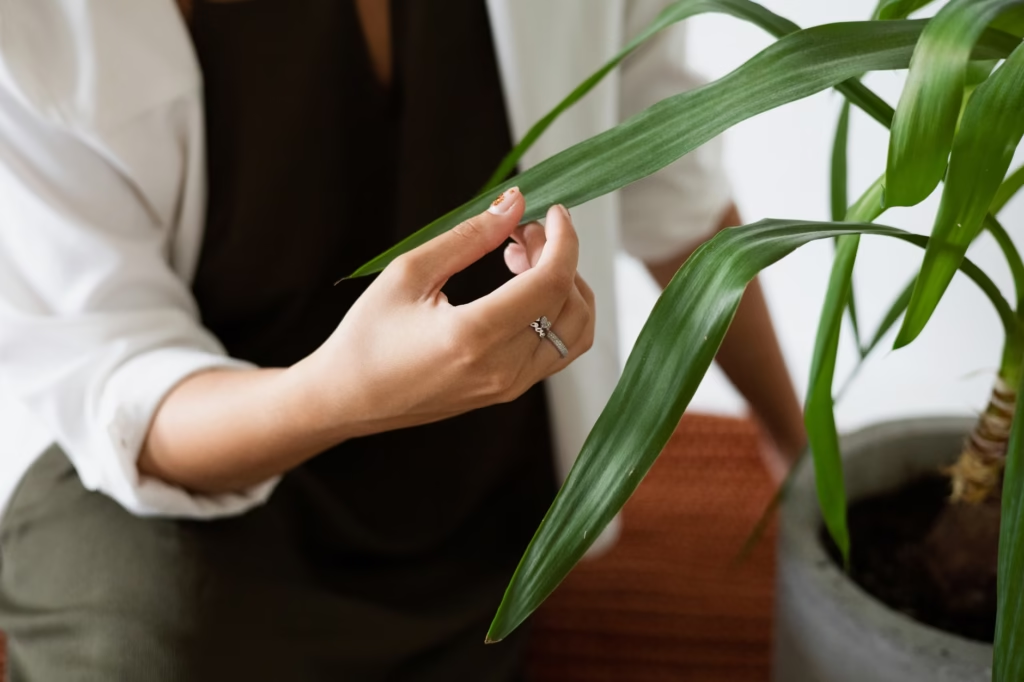
- Take a step back for 10 seconds. Observe if there is any falling over, yellowness, or the plant that was not inclined so much to the window in previous week. This helps to catch the clear stress, without going into the minutiae.
- Flip two or three leaves, especially older or discolored ones. Inspect both sides for insects, eggs, webbing, holes, stippling, and sticky honeydew. (extension.umn.edu)
- Check leaf joints, stems, and the crown at the soil line. Mealybugs can look cottony, scale can look like tan or brown bumps, and stem or crown trouble can show up as soft or discolored tissue. (extension.umd.edu)
- Touch the potting mix and lift the pot. A plant that is wilted in a heavy pot may be overwatered, while a mix that has pulled away from the pot sides is often very dry and may need careful rehydration. (extension.umd.edu)
- Check the rim, drainage hole, and saucer. Look for standing water, pests hiding in crevices, roots escaping, and debris on the soil surface. Dump saucer water instead of letting roots sit in it. (extension.umn.edu)
Not every ugly leaf is a spreading problem
A plant can look rough for reasons that have nothing to do with bugs. Extension diagnostic tables list overwatering, lack of water, low light, fertilizer salt buildup, sunburn, fungi, bacteria, and insects among the common causes of indoor plant decline. That is why the five-minute check works best as a sorting tool, not as an excuse to spray every yellow leaf. (extension.psu.edu)
- Treat it as a care problem first if the symptoms match watering, light, or fertilizer stress and you do not see insects, webbing, honeydew, or rot. (extension.umd.edu)
- Treat it as a spread problem first if you see pests, sticky honeydew, webbing, cottony growth, repeated flying adults, or roots that are dark and soft instead of light and firm. (extension.umn.edu)
A realistic apartment example with numbers
Say you have seven plants in a one-bedroom apartment, and the average replacement cost is $24. That is a $168 collection before you count cachepots, soil, or fertilizer. On Sunday night, your pothos scores a 5 on the Shelf-to-Saucer Scorecard: a sticky trap caught two gnats, the pot still feels heavy four days after watering, and there is water in the saucer.
The early fix is cheap: empty the saucer, move the pot away from the rest, let the mix dry appropriately, trim dead growth, and spend $8 on sticky traps or $12 on fresh houseplant mix if the problem persists. Ignore it, and a small apartment collection can turn into three repots, one lost fern, and a $50 to $100 cleanup in a hurry. The money lesson is simple: routine inspection usually beats replacement.
The first fixes worth trying
The cheapest first move is usually not a spray. EPA integrated pest management guidance emphasizes prevention and using pesticides only as needed, which fits apartment plants well: fix the water, light, and sanitation problem first, then decide whether a product is still necessary. (epa.gov)
- Isolate the plant from the group. Extension guidance is direct on this: if pests are detected, separate the plant so the problem does not move through the collection. (extension.umn.edu)
- Remove dead leaves and surface debris, then wipe dusty leaves with a damp cloth. Dead plant material and dirty surfaces make monitoring harder and can support pest or disease issues. (extension.umn.edu)
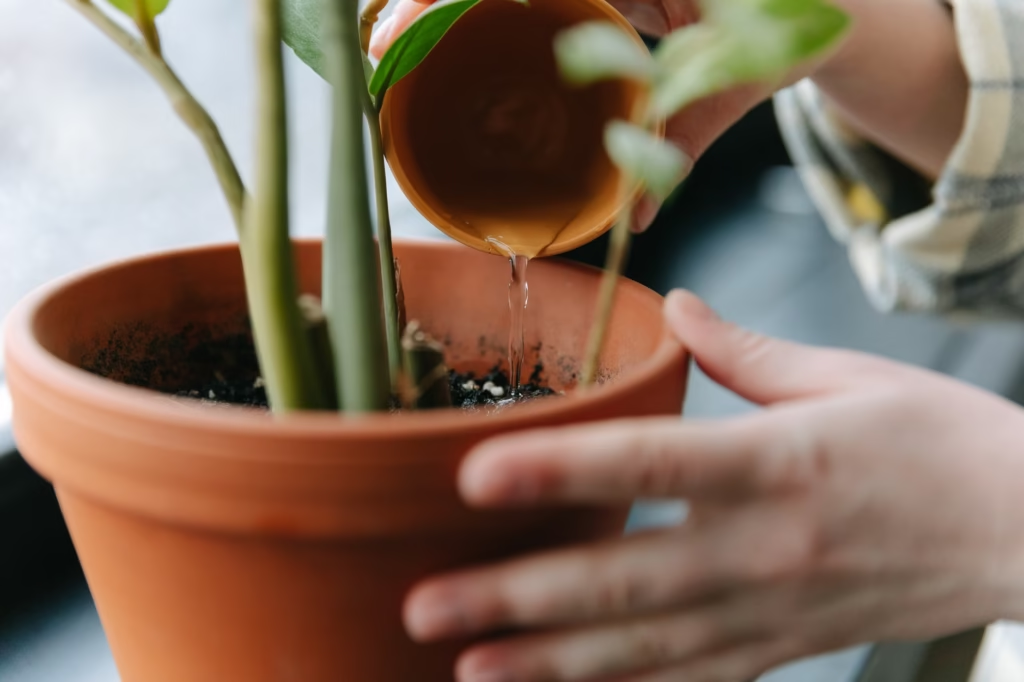
- Correct the watering pattern. Let overly wet mix dry to the right point for the plant, and stop leaving water in saucers. If the mix is shrunken and hydrophobic, rehydrate thoroughly rather than giving tiny sips every day. (extension.umd.edu)
- For light pest pressure, rinse the plant or wipe the leaves. Washing in a sink or shower can reduce spider mites, aphids, and other soft-bodied pests, and a cotton swab with alcohol can help with individual mealybugs. (extension.umn.edu)
- Use sticky traps to confirm flying pests, not as a magic fix. They help you see whether adults are still present, but they will not remove larvae or hidden stages in the potting mix. (extension.umn.edu)
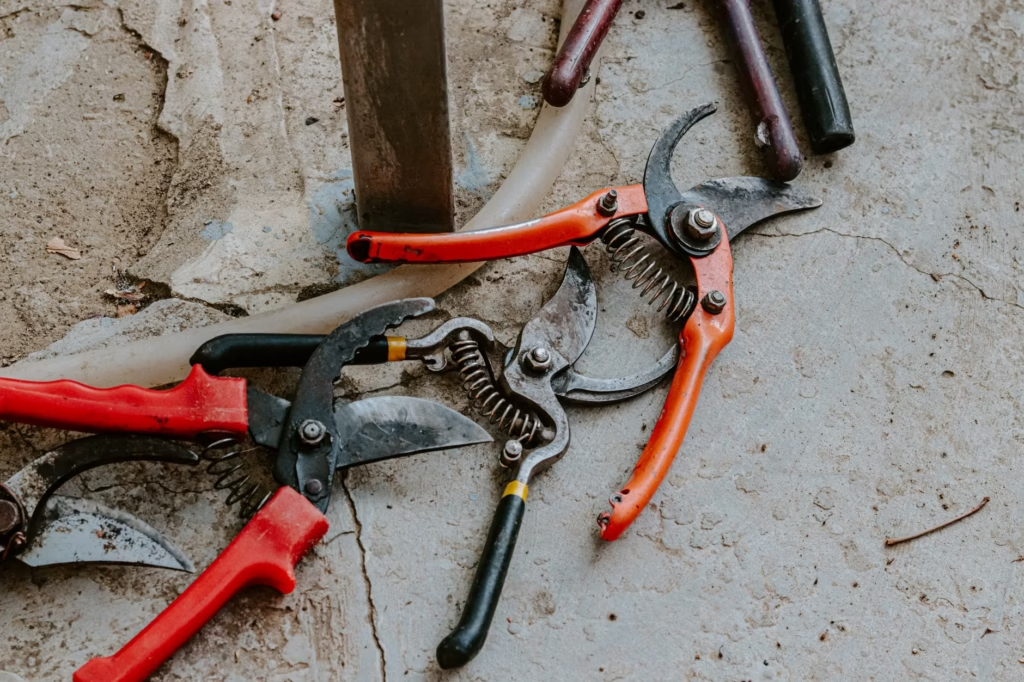
- Clean pruners, pots, and saucers before using them on another plant. University guidance warns that dirty tools and containers can move disease from an infected plant to a healthy one. (extension.umn.edu)
If you decide you need a pesticide, use one specifically labeled for indoor houseplants, read the label all the way through, and ventilate the area well. EPA says pesticide labels are legally enforceable, and it is illegal to use a product in a manner inconsistent with its labeling. Colorado State Extension also notes that many yard-and-garden pesticides are not labeled for houseplants. (epa.gov)
Common mistakes that make a small problem expensive
- Watering by the calendar instead of by the pot. A wilted plant in soggy mix often needs less water, not more. (extension.umd.edu)
- Checking only the prettiest leaves. Many pests show up first on undersides, in leaf joints, or around the pot rim. (extension.umn.edu)
- Leaving a suspicious plant in the cluster while you wait to see what happens. Isolation is one of the simplest ways to stop spread. (extension.umn.edu)
- Skipping quarantine for a new plant. Extension sources note that new purchases are a common way pests enter the home, and a short separation period helps hidden problems show up. (extension.umn.edu)
- Assuming sticky traps solve fungus gnats by themselves. They help monitor adults, but the immature stages stay in the mix. (extension.colostate.edu)
- Reusing dirty scissors, pots, or saucers after cutting diseased tissue. Tools and containers can transfer plant pathogens. (extension.umn.edu)
- Spraying a stressed plant before fixing light, water, or airflow. Extension guidance notes that badly damaged plants can also be injured by sprays. (extension.umd.edu)
When the five-minute check is not enough
Some problems live below the surface. If the score stays high after a week or two, unpot the plant and inspect the roots. Healthy roots should be light-colored and firm; diseased roots are often dark and soft. If only part of the root ball is affected, you may be able to trim away rot and repot the remaining healthy sections in fresh houseplant mix. (extension.umd.edu)
There are also cases where the fast scan simply reaches its limit: root mealybugs, repeated rot, severe scale, or a plant that is already heavily weakened. Colorado State notes that serious infestations often make discarding the plant the most practical option, and University of Maryland guidance says severely damaged plants may need to be discarded. Taking clean cuttings from healthy tissue can be a better salvage plan than waging a month-long battle over one tired plant. (extension.colostate.edu)
- Repot into a clean container and fresh, well-drained houseplant media if the mix is exhausted or infected. (extension.umd.edu)
- Take cuttings from healthy growth if the base or roots are failing but the tips are still sound. (extension.umd.edu)
- Discard the worst plant if it keeps reseeding the problem into nearby pots. (extension.umd.edu)
- If repeated pests continue despite correct care, step back and review watering, dryness, and whether a recently purchased plant introduced the issue. (extension.umn.edu)
How to pressure-test your routine
Do not evaluate the routine based on whether the oldest leaf that suffered damage regains its beauty. The real evaluation should be based on whether the plant has stopped dying and if the new growth comes out cleaner than in the previous cycle. A simple two-week audit will make sure you are honest.
- Take one photo from the same angle on Day 0 and Day 7.
- Write down the Shelf-to-Saucer score, whether the pot felt heavy or light, and whether the saucer held water. Pot weight is a practical watering clue noted by University of Maryland Extension. (extension.umd.edu)
- If you use a sticky trap, count the adults after seven days. Traps are useful detection tools for flying pests. (extension.umn.edu)
- Look for objective improvement: fewer flying adults, no new sticky residue, no expanding webbing, and cleaner new growth.
- If the score worsens after 10 to 14 days, escalate to a root inspection, fresh potting mix, or replacement rather than repeating the same weak fix.
Bottom line
The best apartment plant routine is not the prettiest one. It is the one you will actually repeat. Five minutes spent checking leaves, joints, soil, pot weight, and saucers can catch many of the problems that spread fastest indoors: sap-feeding pests, fungus gnats encouraged by overly wet mix, and rot that starts below the soil line. Build the check into watering day, isolate red flags right away, and save your money for healthy plants instead of replacement plants. (extension.umn.edu)
FAQ
How often should I do the five-minute plant check?
Once a week is realistic for most apartment collections, and pairing it with watering or cleaning day makes it easier to remember. Extension guidance specifically suggests checking for pests when you water, fertilize, or clean plants. (extension.umn.edu)
Do I need a moisture meter to catch overwatering?
No. University of Maryland Extension recommends practical checks such as lifting the pot for weight changes or using a dowel to see whether moisture reaches deeper in the mix. A meter can help, but it is not required for a good routine. (extension.umd.edu)
Should I isolate a plant for just one or two fungus gnats?
If adult gnats are repeatedly coming from one pot, yes. Overly moist soil favors fungus gnat problems, and traps only monitor the flying adults rather than solving the whole life cycle. Separating the pot also makes it easier to see whether your watering correction is working. (extension.umn.edu)
Can I use any bug spray I already have on a houseplant?
No. Use only products labeled for the pest you have and for indoor houseplants. EPA says the label is legally enforceable, and Colorado State Extension notes that many general yard-and-garden pesticides are not labeled for houseplants. (epa.gov)
When is it smarter to toss the plant and start over?
Consider it when roots are dark and soft through much of the pot, the infestation is severe or keeps returning, or the plant is so damaged that treatment is likely to cost more time and supplies than replacement or propagation from healthy tissue. University of Maryland and Colorado State both note that severely damaged or seriously infested plants may be best discarded. (extension.umd.edu)
References
- UMN Extension: Managing insects on indoor plants – https://extension.umn.edu/yard-and-garden-insects/insects-indoor-plants
- University of Maryland Extension: Diagnose Indoor Plant Problems – https://extension.umd.edu/resource/diagnose-indoor-plant-problems
- University of Maryland Extension: Overwatered Indoor Plants – https://www.extension.umd.edu/resource/overwatered-indoor-plants
- UMN Extension: Clean and disinfect gardening tools and containers – https://extension.umn.edu/planting-and-growing-guides/clean-and-disinfect-gardening-tools
- Colorado State University Extension: Managing Houseplant Pests – https://extension.colostate.edu/resource/managing-houseplant-pests/
- Penn State Extension: Diagnosing Poor Plant Health – https://extension.psu.edu/diagnosing-poor-plant-health
- US EPA: Introduction to Integrated Pest Management – https://www.epa.gov/ipm/introduction-integrated-pest-management
- US EPA: Introduction to Pesticide Labels – https://www.epa.gov/pesticide-labels/introduction-pesticide-labels
- US EPA: Pesticides’ Impact on Indoor Air Quality – https://www.epa.gov/indoor-air-quality-iaq/pesticides-impact-indoor-air-quality