In a small apartment, the quickest way to place plants well is to judge the window first and the plant second. In the U.S., an unobstructed south or southwest window usually provides the strongest natural light. East and west windows often land in the medium-light range, while north windows are usually the weakest. But that rule changes fast if light is blocked by a nearby building, balcony, trees, curtains, or screens. (extension.umd.edu)
Read the window before you place the plant
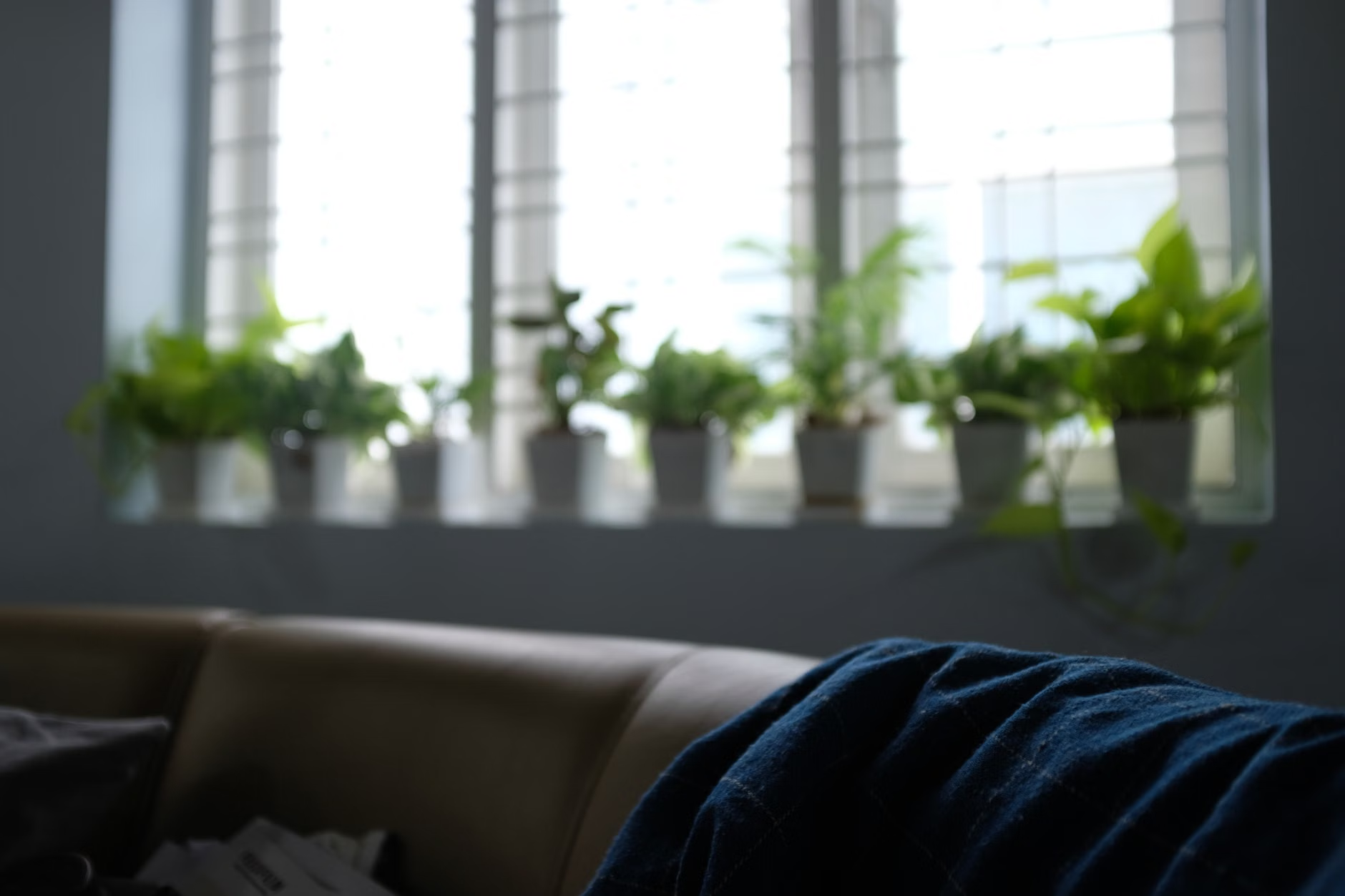
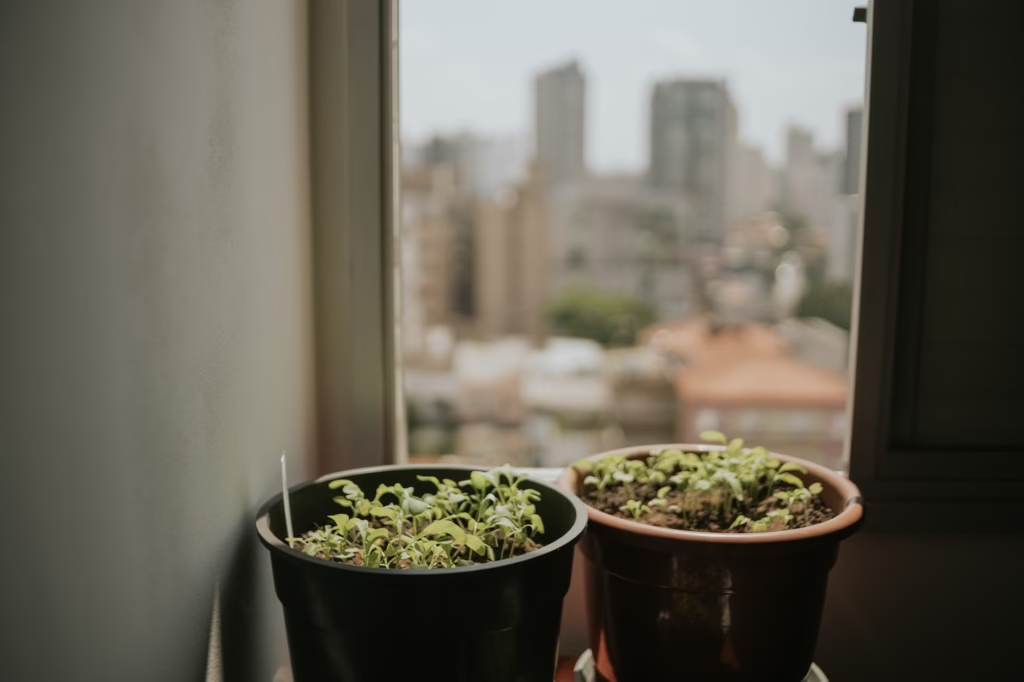
Window direction is only the starting point. North-facing windows usually suit plants that tolerate low light. East windows tend to get gentler morning sun. West windows receive direct afternoon light, and south-facing windows can support high-light plants if the exposure is open and bright. Distance matters too: a pot on the sill and the same pot several feet into the room are not getting the same light at all. (extension.umd.edu)
- Use your phone’s compass to label each window north, east, west, or south.
- On a bright day, note when direct sun actually hits the sill or the leaves: none, morning only, afternoon only, or most of the day. Light duration matters, not just brightness. (extension.umd.edu)
- Look for anything that cuts light before it reaches the plant: overhangs, neighboring buildings, trees, balcony rails, curtains, shades, and insect screens. Even a south window can behave like a weaker spot if it is obstructed. (extension.umn.edu)
- Check the plant’s real position: on the sill, within a foot or two, or farther into the room. Light intensity drops quickly as you move away from the window. (extension.umd.edu)
- Repeat the check in another season if a plant seems unhappy. The sun angle changes through the year, so a workable winter spot can become harsh in summer or much weaker by late fall. (content.ces.ncsu.edu)
Note: A shaded south window may act more like medium light, while a bright east window can be better for many houseplants than a blocked west window. In apartments, observation beats assumptions. (extension.umn.edu)
Match plant types to what the window actually gives
- North window or a very shaded window: Choose plants that tolerate low light, such as ZZ plant, snake plant, cast-iron plant, peace lily, Chinese evergreen, pothos, or philodendron. These spots are usually better for foliage plants than for plants grown mainly for flowers. (extension.umd.edu)
- East window, or a bright spot just off a west window: Good for medium-light plants such as dracaena, rubber plant, African violet, Norfolk Island pine, begonias, ferns, peperomia, or ficus. (extension.umd.edu)
- Unobstructed south or southwest window: Reserve this for high-light plants such as cacti, succulents, jade plant, hoya, hibiscus, citrus, or culinary herbs. Flowering plants usually need more light than foliage plants. (extension.umd.edu)
- Strong afternoon west light: This can work for high-light plants, but watch for bleaching or scorch. If leaves start to pale or brown, move the pot slightly back from the glass or soften the light with a sheer curtain. (extension.umd.edu)
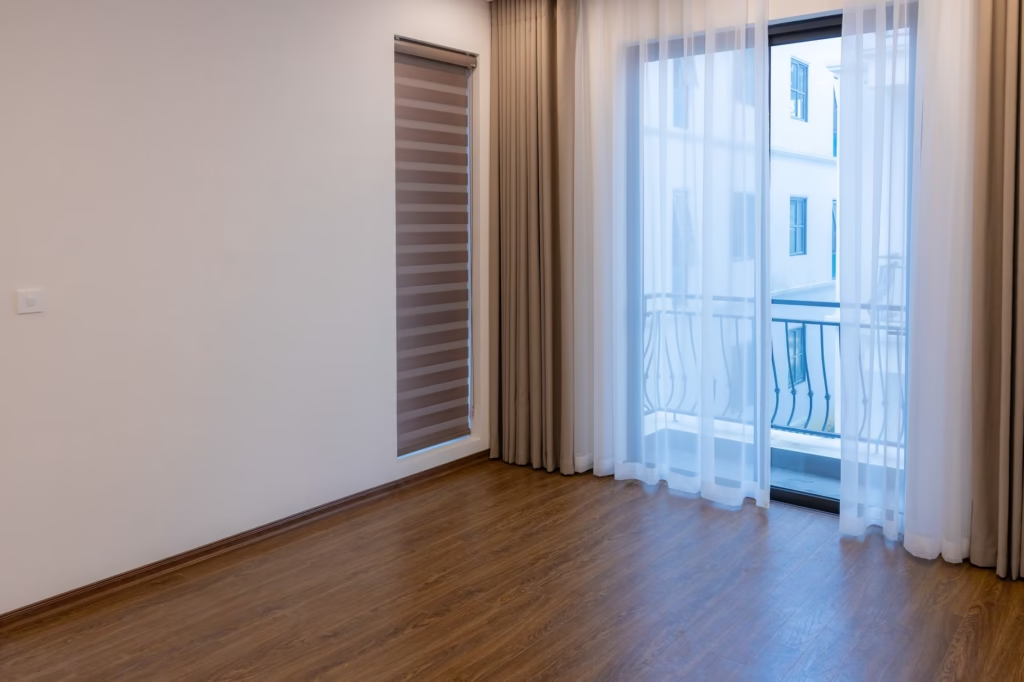
In a typical small apartment, the smartest use of limited window space is to give the most demanding plants the best real estate. Put cacti, herbs, or other high-light plants on the brightest sill. Move medium-light plants beside that window or a little back from it. Save north windows and bright-but-not-sunny corners for low-light foliage plants. That usually works better than trying to make every plant fit the shelf you like best. (extension.umd.edu)
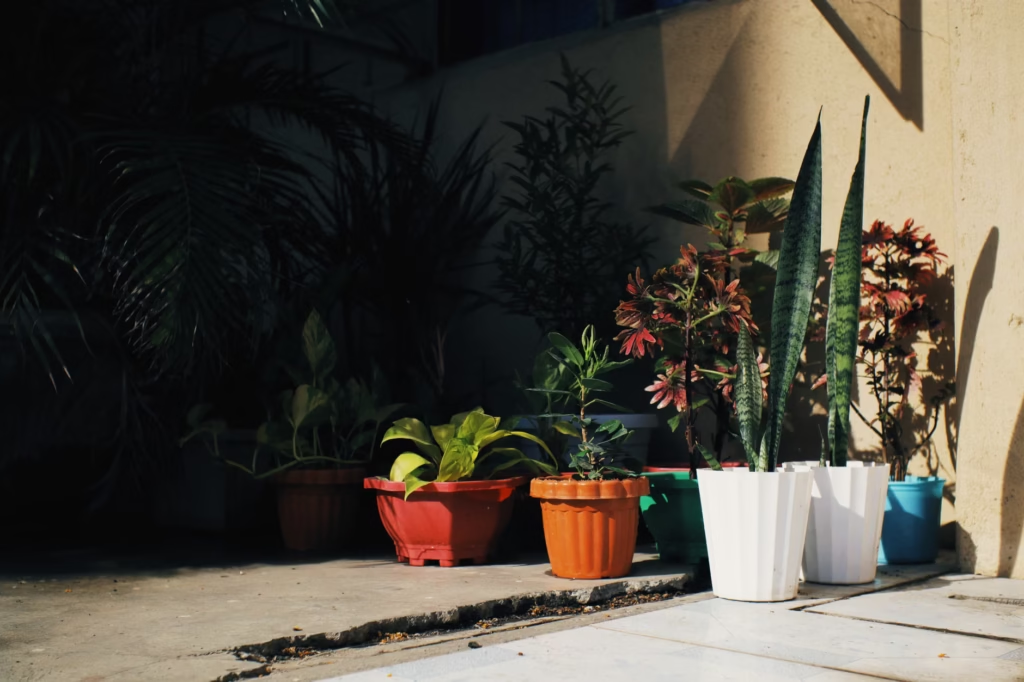
When the apartment has no perfect window
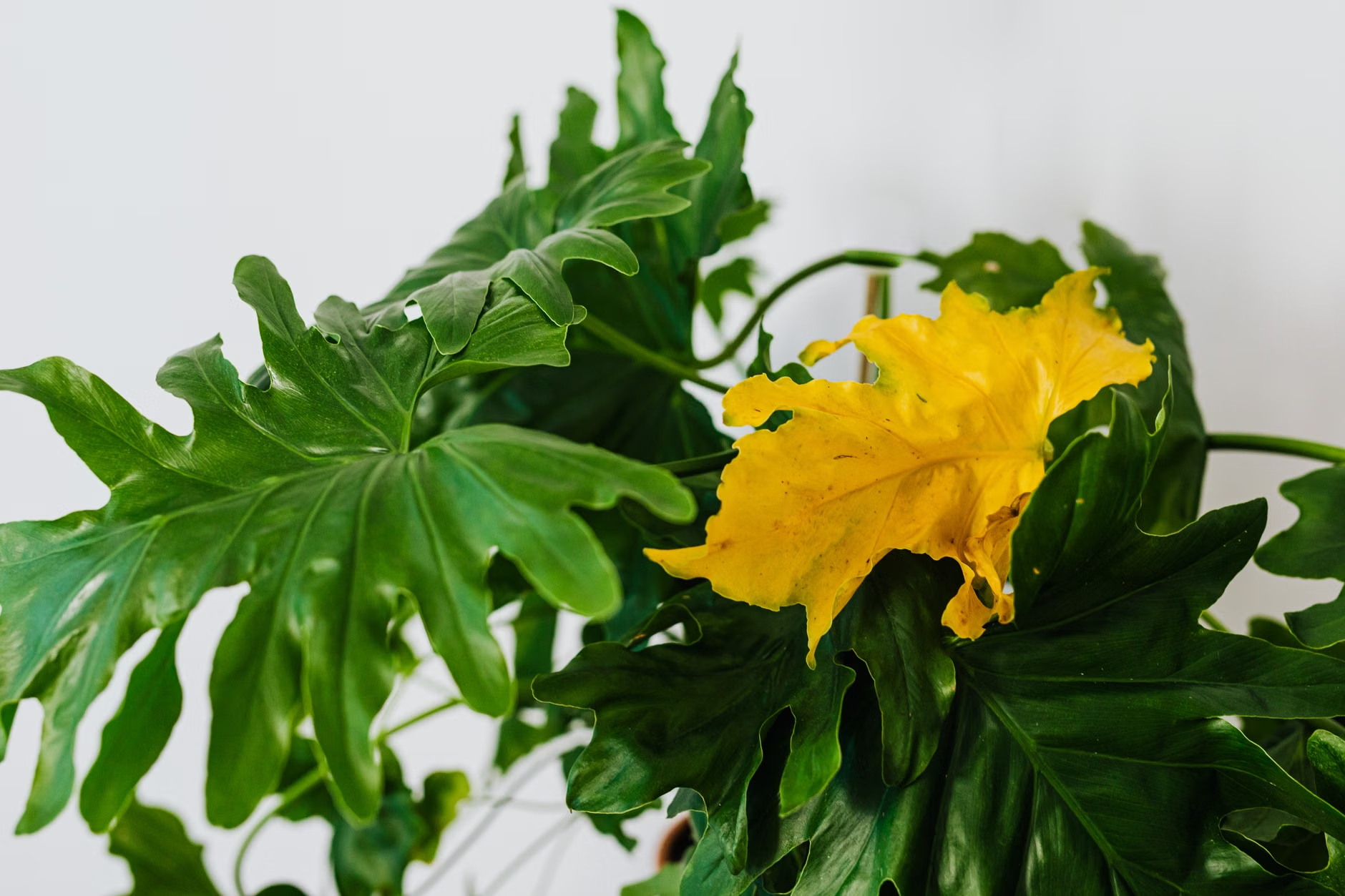
If every window is weak, do not try to force a high-light plant to live on a north sill. Signs that a spot is too dim can include long, stretched stems, leaning growth, pale leaves, loss of variegation, leaf drop, and poor flowering. In that case, a supplemental grow light is usually a better fix than moving the plant around every few days. If the light is too intense instead, a little extra distance from the glass or a sheer curtain can make a bright window usable for more plants. (extension.umd.edu)
The right apartment window is the one that matches what the plant actually receives, not what the room feels like to you. Map the light, give the brightest spots to the plants that truly need them, and let lower-light plants handle the quieter windows. (extension.umd.edu)
References
- University of Maryland Extension: Lighting for Indoor Plants – https://www.extension.umd.edu/resource/lighting-indoor-plants
- University of Minnesota Extension: Lighting for indoor plants and starting seeds – https://extension.umn.edu/planting-and-growing-guides/lighting-indoor-plants
- NC State Extension: Extension Gardener Handbook, Plants Grown in Containers – https://content.ces.ncsu.edu/extension-gardener-handbook/18-plants-grown-in-containers
- Missouri Botanical Garden: How much light do indoor plants need? – https://www.missouribotanicalgarden.org/gardens-gardening/your-garden/help-for-the-home-gardener/advice-tips-resources/gardening-help-faqs/question/503/how-much-light-do-indoor-plants-need