When apartment plant owners say they have “tiny bugs,” the fastest way to sort out the usual suspects is to ask two questions: where are the insects, and what does the plant look like? Flies that hover around damp potting mix point to fungus gnats. Narrow, fast-moving insects that scar leaves or flowers point to thrips. Tiny moving specks on the undersides of stippled leaves, especially with fine webbing, point to spider mites. (ipm.ucanr.edu)
Start with where the action is
- Fungus gnats stay close to the pot. You usually notice adults running across the potting mix, lifting off when you water, or hanging around the saucer and nearby window. The plant may look mostly fine because the adults are mainly a nuisance indoors. (ipm.ucanr.edu)
- Thrips are leaf and flower pests. They are tiny, slender, and quick, and the damage often shows up as silvery streaks, scuffed patches, or distorted blooms before you get a good look at the insect itself. (ipm.ucanr.edu)
- Spider mites are usually a leaf-underside problem. Their feeding creates pale stippling or a dusty, faded look, and fine webbing can appear as populations build. (ipm.ucanr.edu)
Use this five-minute inspection
- Check the pot first. Water the plant lightly or nudge the container. If small dark flies rise from the mix and stay close to the pot, fungus gnats move to the top of the list. (ipm.ucanr.edu)
- Hold a sheet of white paper under a leaf and tap or shake the foliage. UC IPM recommends light-colored paper for checking both thrips and spider mites because tiny pests show up better against it. (ipm.ucanr.edu)
- Look at what falls. Spider mites read like moving dust or grit. Thrips look longer, more like tiny slivers, and they move faster when disturbed. A small hand lens helps if you have one. (ipm.ucanr.edu)
- Match the pest to the damage. Silvery streaks, scarring, or distorted flowers point toward thrips. Pale speckling, yellowing, bronzing, or webbing point toward spider mites. Hovering flies with few leaf symptoms point toward fungus gnats. (ipm.ucanr.edu)
This is usually enough to sort out the problem without guessing. Thrips and spider mites are often identified from the leaf damage first, then the pest. Fungus gnats are the reverse: the adults are obvious, while the plant itself may not show much above the soil line. (ipm.ucanr.edu)
What each pest looks like on a real houseplant
Fungus gnats are the easiest to notice and the easiest to overreact to. Adults are small, dark, weak fliers that stay near moist potting mix. University and IPM sources consistently describe them as mostly a nuisance indoors, though heavy larval populations can damage roots, especially in seedlings and smaller plants. So if your main symptom is bugs hovering at the soil surface, fungus gnats are a sensible first guess. If your leaves are covered in silvery scars or webbing, that pattern points elsewhere. (ipm.ucanr.edu)
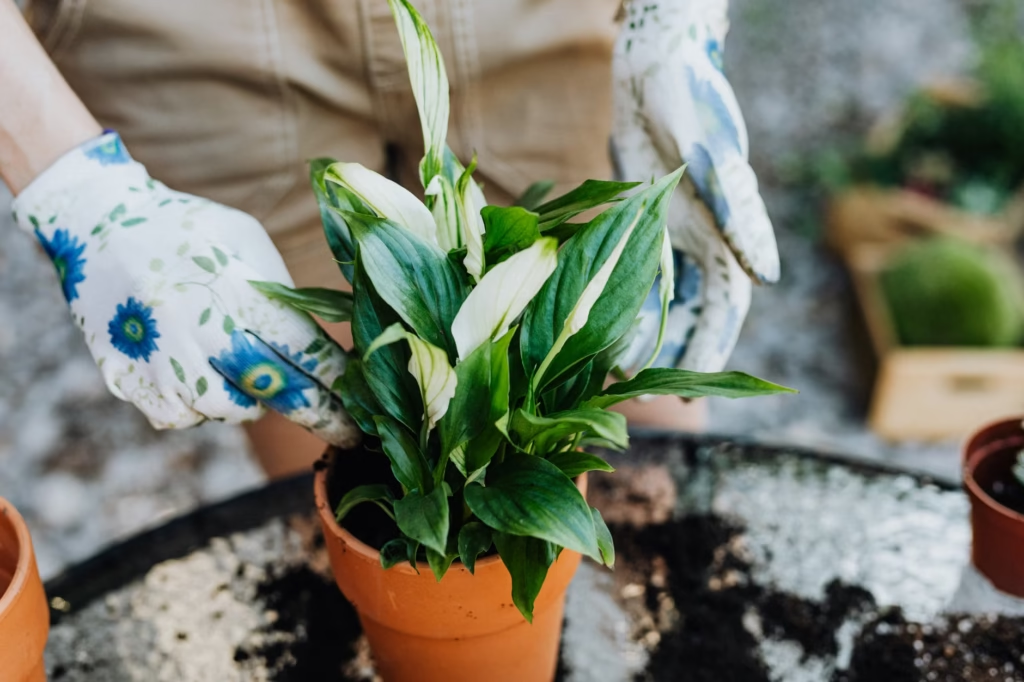
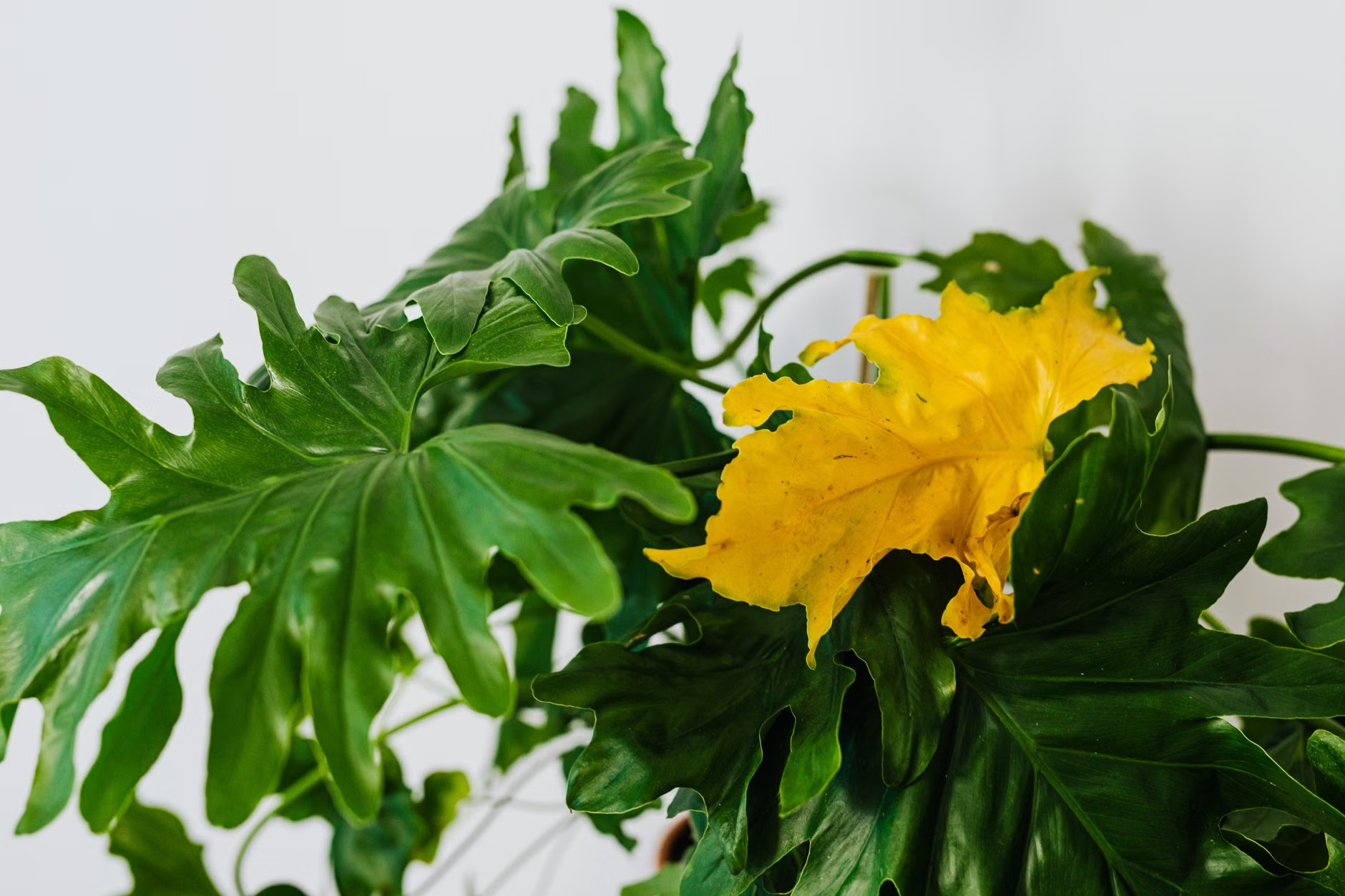
Thrips are the pest people often miss because the damage is more obvious than the insect. On indoor plants, check unfurling leaves, flower buds, petals, and leaf undersides. Thrips are tiny, slender, tan to dark, and quick to run when disturbed; adults can also fly. Their feeding leaves irregular silvery streaks or splotches, and flowers can become streaked or distorted. On white paper, they usually look more like tiny moving splinters than round dots. (ipm.ucanr.edu)
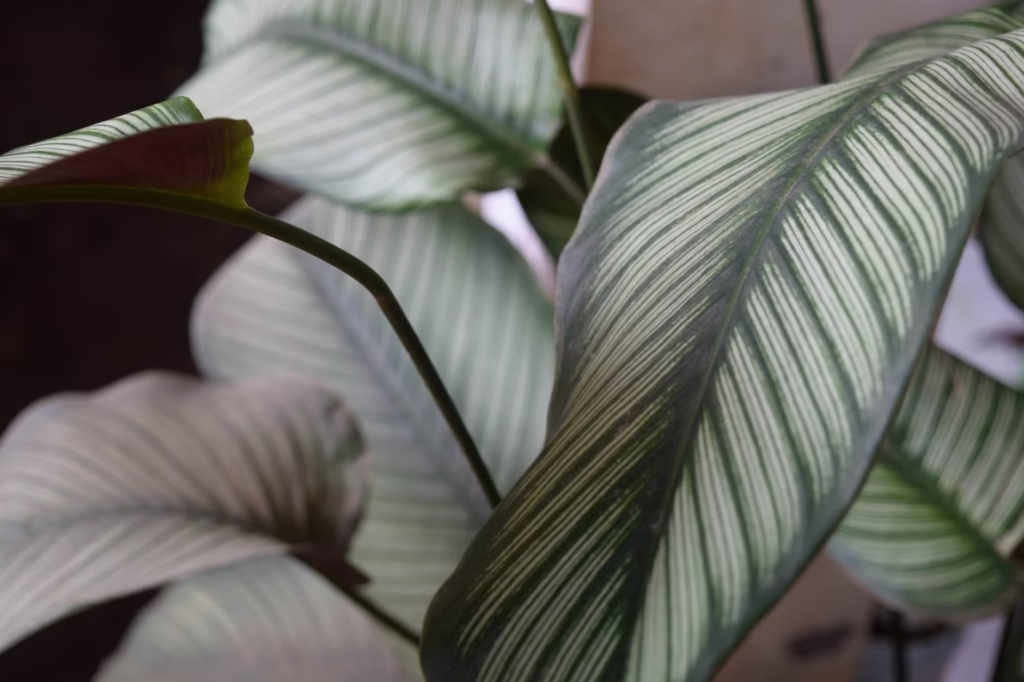
Spider mites usually announce themselves through texture more than shape. Leaves start to look lightly speckled, faded, or dusty, then may yellow or bronze as feeding continues. Most of the activity is on the underside of the leaf, and the mites are so small that a hand lens is genuinely helpful. Fine webbing is the classic clue, but it often means the population is already well established rather than just beginning. If the paper test shows moving specks and the leaf surface looks stippled, spider mites are a strong match. (ipm.ucanr.edu)
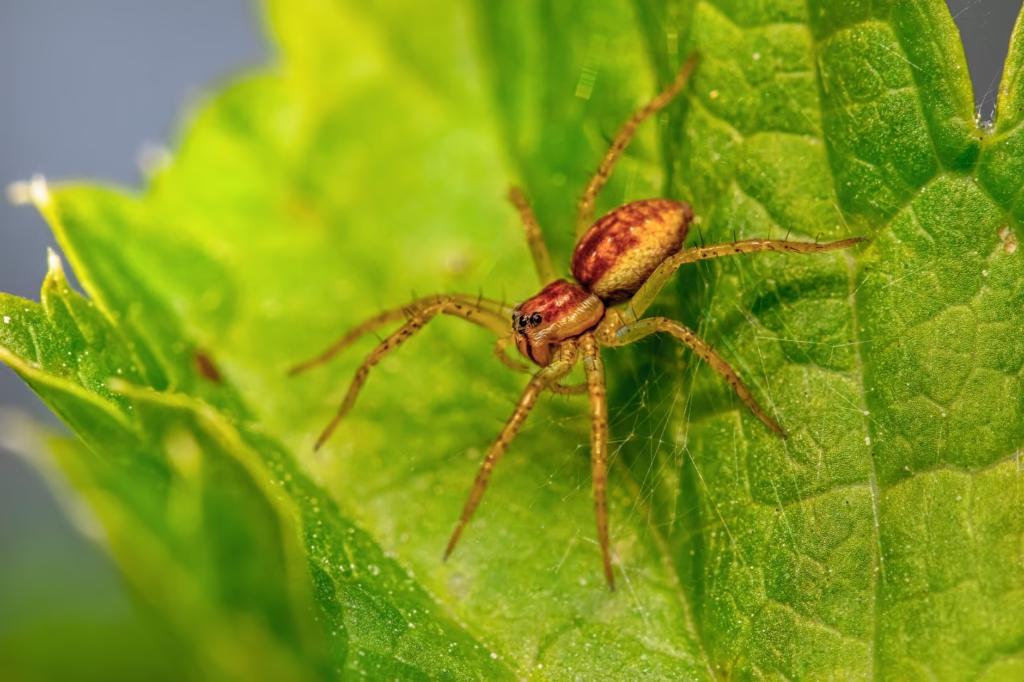
In a small apartment, the difference often comes down to a very ordinary moment. If you water a peace lily and a few weak little flies lift off from the pot, start with fungus gnats. If a philodendron has fresh silvery scarring on the newest leaf and something tiny runs when you touch it, suspect thrips. If an ivy or palm looks faded and you can see fine threads between leaves or along stems, spider mites are more likely. (ipm.ucanr.edu)
If the bugs rise from the potting mix, think fungus gnats. If the leaves are scarred and a tiny sliver runs when disturbed, think thrips. If the plant looks stippled or webbed and the moving specks are on the leaf undersides, think spider mites. That split will usually get you to the right next step much faster than treating by guesswork. (ipm.ucanr.edu)
References
- UC IPM: Fungus Gnats – https://ipm.ucanr.edu/home-and-landscape/fungus-gnats/
- UC IPM: Thrips – https://ipm.ucanr.edu/home-and-landscape/thrips/
- UC IPM: Spider Mites – https://ipm.ucanr.edu/home-and-landscape/spider-mites/
- University of Minnesota Extension: Managing insects on indoor plants – https://extension.umn.edu/yard-and-garden-insects/insects-indoor-plants