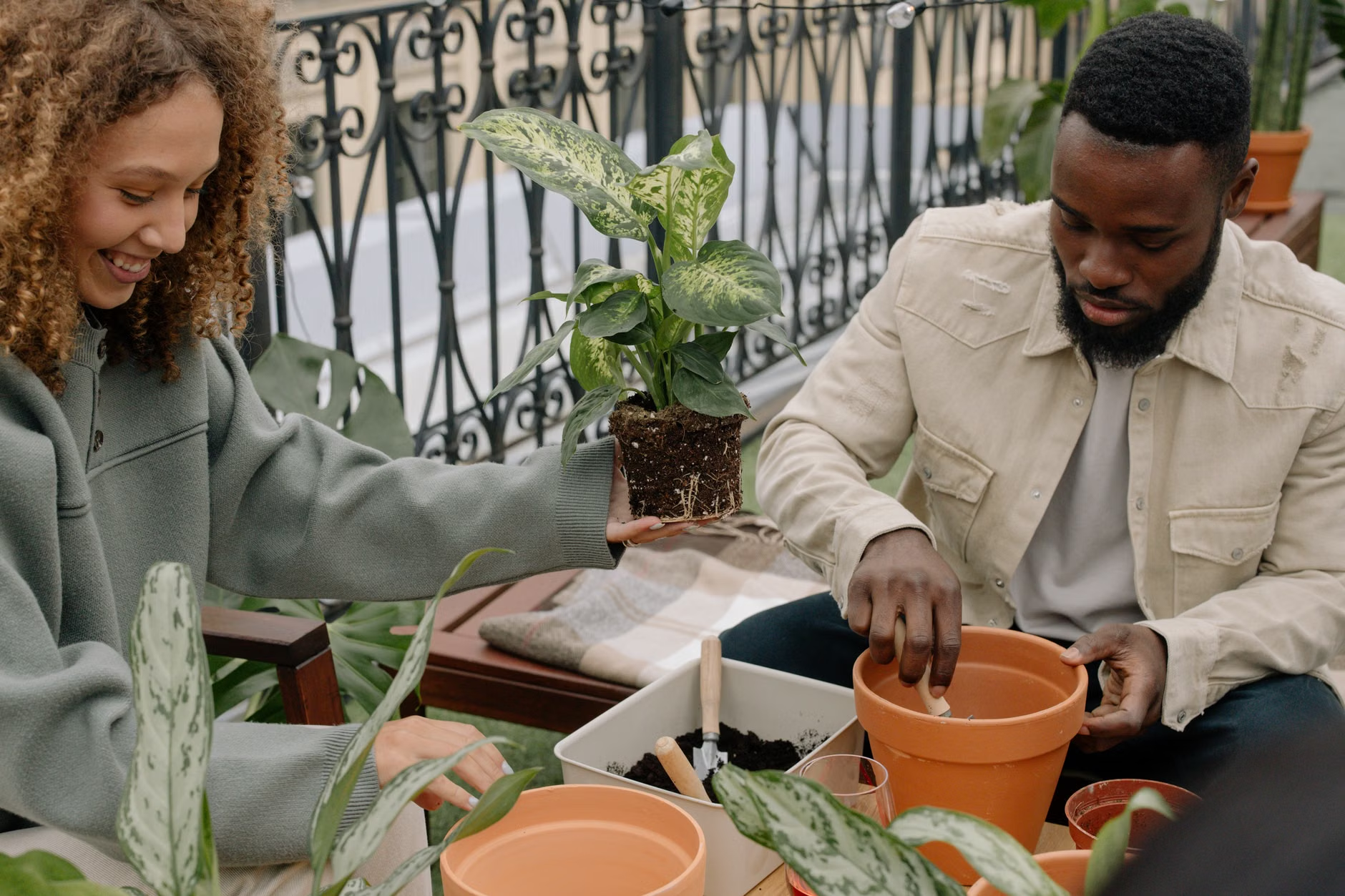
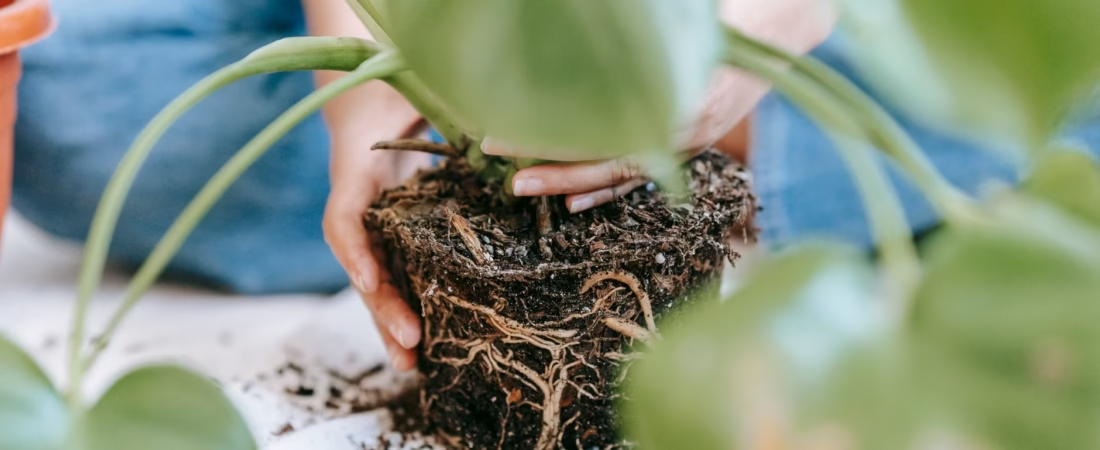
A lot of indoor plant trouble starts with a good intention: buying a pot that looks roomy so you will not have to repot again soon. In apartments especially, that often means a small nursery plant gets dropped into a much larger decorative pot. The result is extra potting mix that stays damp longer than the roots can use it, which raises the risk of stalled growth, yellow leaves, and root rot. Extension guidance for houseplants consistently warns against over-potting and recommends moving up only modestly in size. (extension.illinois.edu)
TL;DR
- For most houseplants, go up only one pot size, usually about 1 to 2 inches wider in diameter. (extension.illinois.edu)
- A larger container holds a larger volume of mix, so it usually stores water longer and dries more slowly. (pubs.ext.vt.edu)
- A drainage hole matters, but it does not cancel out an oversized pot or dense mix. Roots still need air as well as water. (extension.umd.edu)
- If a plant stays wet too long, inspect the root ball. You may need fresh mix or a smaller pot, not less water. (content.ces.ncsu.edu)
- Do not add rocks to the bottom of the pot. University guidance says that can worsen drainage issues by raising the wet zone. (extension.umd.edu)
Why a bigger pot can be the wrong move
The basic problem is simple. A small root system in a large container is surrounded by more potting mix than it can dry in a reasonable time. Virginia Tech notes that large containers can store greater volumes of water than small ones, so they often need watering less frequently. That can be useful for a large, established plant, but it becomes a problem when a modest root ball is sitting in a lot of unused mix. (pubs.ext.vt.edu)
Wet soil is not just about moisture. Roots also need oxygen. The University of Maryland explains that water and air move through pore spaces in the growing medium, and if excess water cannot drain away, fresh air cannot enter and roots can suffocate. That is why a houseplant can decline in soil that looks rich and moist but stays wet too long. (extension.umd.edu)
Pot shape and material change the picture too. Virginia Tech notes that shorter containers drain less than taller ones, leaving more pore space filled with water, while unglazed terracotta dries the root zone faster than nonporous plastic or glazed clay. In other words, a shallow glazed pot can stay wet surprisingly long, even when its diameter does not look excessive. (pubs.ext.vt.edu)
Use the Pot Match Test before you repot
A plant does not need a dramatically bigger pot just because it is growing. Before you size up, use this four-part Pot Match Test: size jump, root fill, dry-down, and drainage. It is a quick way to tell whether your plant needs a larger container, fresh mix, or simply better watering habits. (extension.illinois.edu)
- Size jump: For most houseplants, move up one pot size, which Illinois Extension describes as about 1 to 2 inches wider in diameter. NC State says vigorous species may occasionally need two sizes up, but that is the exception, not the default. (extension.illinois.edu)
- Root fill: Look for roots coming through drainage holes, exposed roots at the surface, a dense root ball, frequent wilting between waterings, or a plant that tips easily because it is top-heavy. Those signs suggest the plant has truly outgrown its pot. (extension.umn.edu)
- Dry-down: Do not water by calendar. Illinois, Minnesota, and Colorado guidance all recommend checking the soil with your finger and watering when the top inch or two is dry, depending on the plant. If the pot stays wet for an unusually long stretch in your home, size may be part of the problem. (extension.illinois.edu)
- Drainage: Use a pot with a drainage hole, empty saucers or outer pots after watering, and skip gravel or shards in the bottom. Those layers do not improve drainage and can raise the wet zone. (extension.umd.edu)
A realistic apartment example
Picture a pothos bought in a 6-inch nursery pot for a bedroom with one bright but indirect east window. It is repotted the same weekend into a 10-inch glazed ceramic planter because the larger pot suits the room better. Two weeks later, the soil is still damp several inches down, a few older leaves are yellowing, and watering feels confusing because the top surface dries before the middle does. That outcome makes sense: light level affects water use, glazed pots lose little moisture through the walls, and a larger soil volume dries more slowly. The plant did not suddenly become fussy. The pot simply stopped matching the root system and the room conditions. (extension.illinois.edu)
Decision table: what to do next
| What you see | What it usually means | Best move |
|---|---|---|
| Roots circling heavily, roots pushing through drain holes, plant dries out very fast. | The plant is likely rootbound or close to it. (content.ces.ncsu.edu) | Repot one size larger with fresh mix; for especially vigorous growers, a second size up can be reasonable. (extension.illinois.edu) |
| The potting mix stays wet a long time and the root ball is much smaller than the pot. | The container is probably too large, the mix is too dense, or both. (extension.illinois.edu) | Down-pot to a container that fits the roots more closely and use a light, airy potting mix. (content.ces.ncsu.edu) |
| The plant looks healthy, but the top inch of soil is depleted or crusty. | The plant may need fresh mix, not a larger container. Minnesota and NC State both note that some plants need a soil refresh rather than an upsize. (extension.umn.edu) | Refresh the top layer or repot into the same size with new mix if the root system still fits. (extension.umn.edu) |
| The pot has no drainage hole or sits in water after watering. | This is a drainage problem even if the pot size is fine. (extension.illinois.edu) | Use an inner nursery pot, remove it to water, then let it drain and empty the outer pot or saucer. (extension.umd.edu) |
| A succulent or cactus is planted in a deep, moisture-retentive pot. | The setup may stay wetter than that plant type prefers. Illinois notes shallow containers suit succulents better, and terracotta dries faster than glazed clay or plastic. (extension.illinois.edu) | Switch to a shallower, faster-drying setup and a mix suited to arid plants. (pubs.ext.vt.edu) |
How to fix a plant that is staying wet too long
- Pause the schedule. Stop watering by day of week and start checking the soil with your finger at least an inch or two down, depending on plant type. Feel the root zone, not just the dry-looking surface. (extension.illinois.edu)
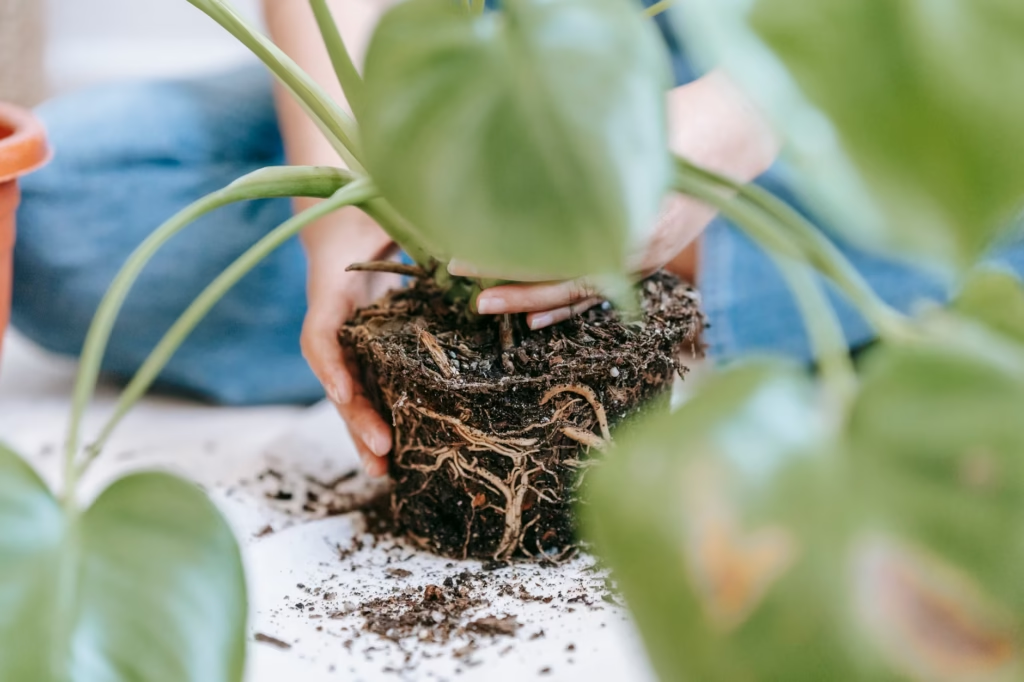
- Slide the plant out and inspect the root ball. A healthy root system is often white or tan and firm. Brown, black, soft, or mushy roots point to overwatering stress or root rot. (content.ces.ncsu.edu)
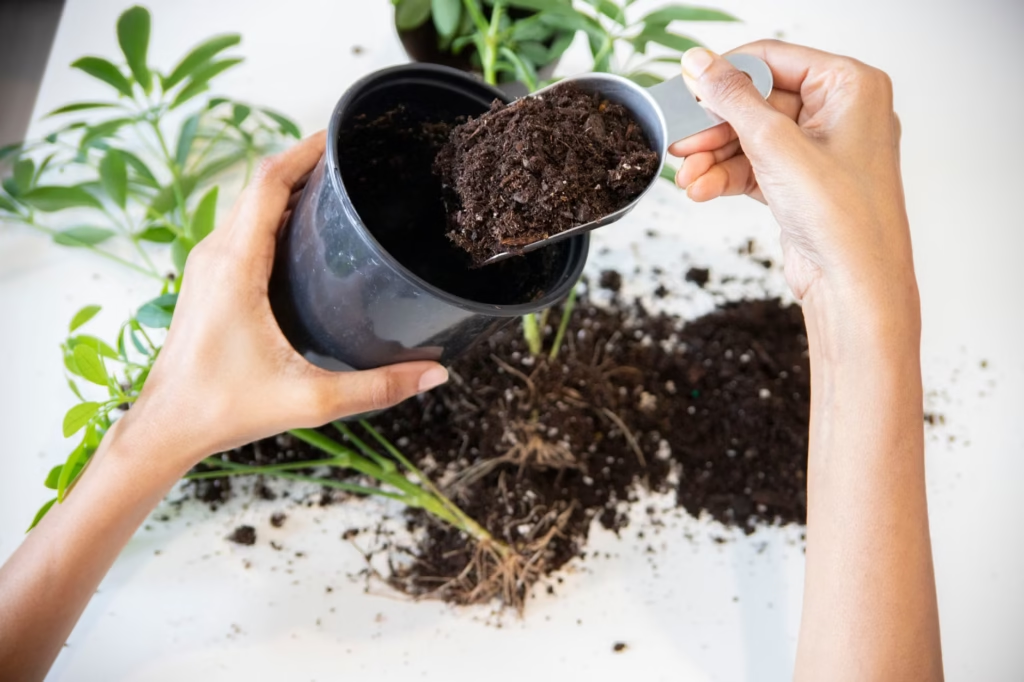
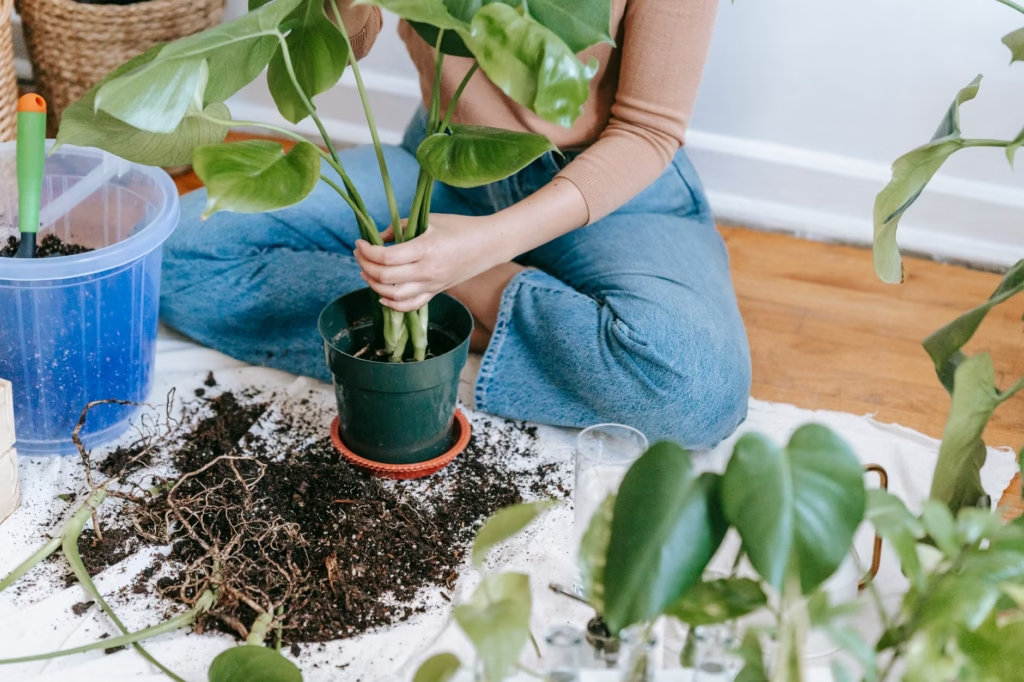
- If the root mass is small for the pot, down-pot. NC State specifically notes that down-potting can help rebalance root size and potting mix volume when a plant is staying too wet. Choose a pot that fits the root ball more closely. (content.ces.ncsu.edu)
- Replace heavy or tired mix. The University of Maryland advises using porous, soilless media for root aeration and drainage, and warns that dense potting soil products can be too heavy for containers. (extension.umd.edu)
- Use real drainage. Pick a pot with a drainage hole. If you want a decorative planter without one, keep the plant in a plain inner pot and remove excess water after watering. Do not add rocks at the bottom. (extension.umd.edu)
- Water thoroughly once, then wait. After repotting, water the mix fully, let it drain, and avoid watering again until the top has dried to the level your plant prefers. Virginia Tech also advises not leaving a container in standing water for more than an hour. (extension.umd.edu)
Common mistakes that make the problem worse
- Repotting for décor instead of root need. A plant can look undersized in a large room and still be properly sized for its nursery pot. Pot choice should start with the roots, not the shelf styling. (extension.illinois.edu)
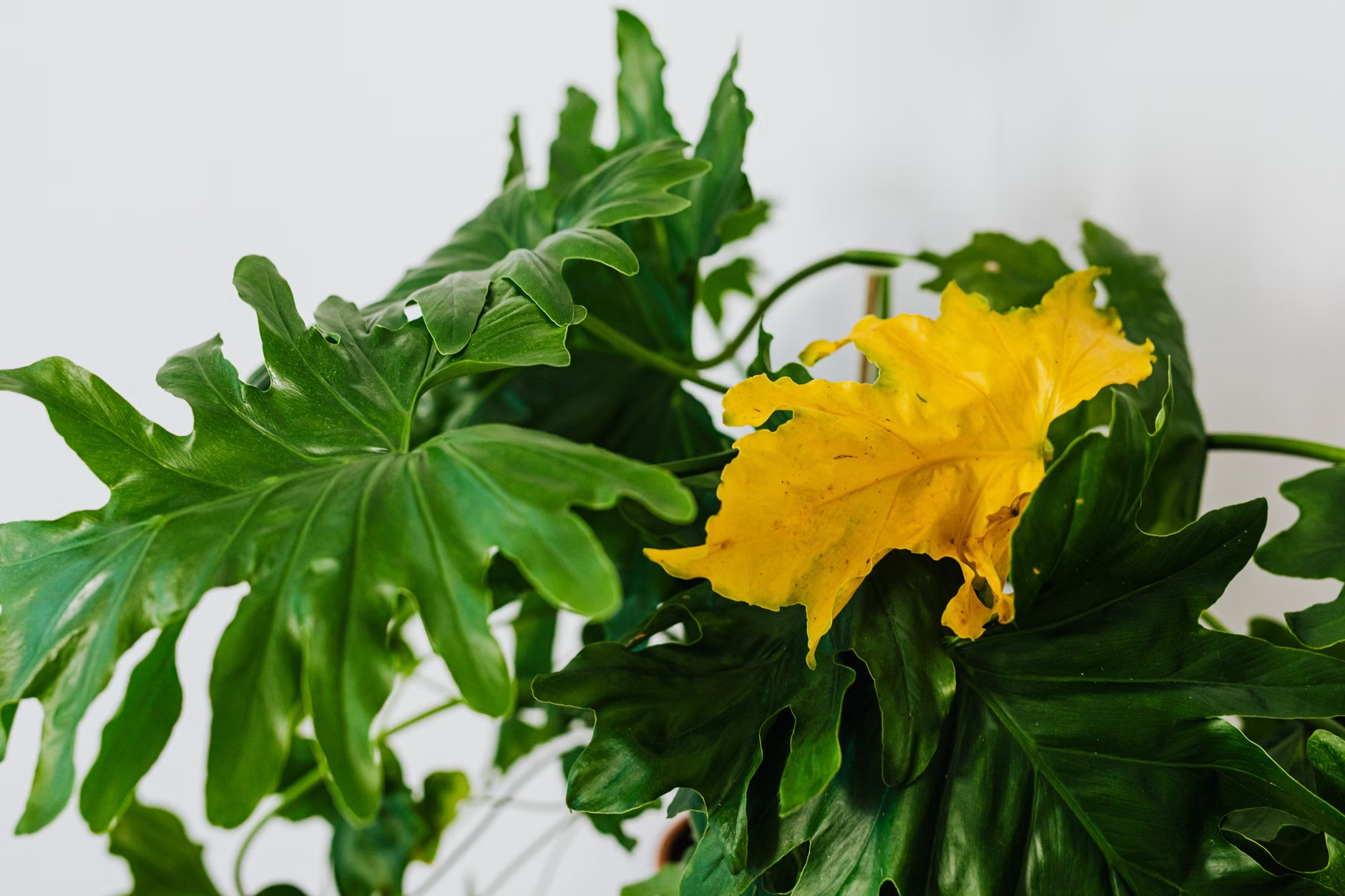
- Assuming yellow leaves mean thirst. Wilting and yellowing can show up with both too little and too much water. Root inspection is often the fastest way to tell the difference. (extension.illinois.edu)
- Using dense mixes meant for outdoor beds. Container roots need pore space. Garden soil and some heavy potting soil products hold too much water and too little air for indoor pots. (extension.umd.edu)
- Leaving water in the saucer or outer pot. Even a correctly sized plant can become waterlogged if runoff is left sitting against the bottom of the pot. (extension.umd.edu)
- Thinking gravel fixes drainage. Extension guidance is clear that stones or shards at the bottom do not improve drainage and can push the saturated zone upward. (extension.umd.edu)
When this advice changes
There are important exceptions. Some plants prefer more even moisture than others, while cacti and many succulents want a much faster dry-down. Self-watering pots are another special case: Washington State University notes they need a light soil mix and careful reservoir use so roots do not stay too wet. Large, established floor plants also need large containers eventually; the issue is not that big pots are always bad, but that big pots are a problem when they outsize the current root system or the plant’s conditions. And if your plant is in very low light, a cool room, or a nonporous cachepot, even an ordinary size jump can act like over-potting because water use slows down. (extension.illinois.edu)
How to verify that the new pot size is working
After you correct the setup, verify the change instead of guessing. As a practical inference from extension watering and root-health guidance, the potting mix should stop staying soggy for unusually long periods, the top inch should dry on a more predictable rhythm, and the plant should gradually show steadier growth rather than continued yellowing or collapse. If you inspect the roots again later, you want to see firm, light-colored roots, not brown, soft ones. (extension.illinois.edu)
- Keep a simple note of when you watered and when the top inch became dry again. (extension.illinois.edu)
- Lift the pot after watering and again before the next watering so you learn the weight difference. This is a practical grower check supported by extension advice to judge moisture by feel and container condition. (planttalk.colostate.edu)
- Watch the newest leaves more closely than the oldest ones. Recovery shows up there first. (extension.umd.edu)
- If the plant still stays wet too long after down-potting, look next at light, temperature, mix texture, and drainage, not just watering frequency. (extension.illinois.edu)
The bottom line
If an indoor plant seems wet for too long, the most useful question is not, “How often should I water?” It is, “Does this pot still match this root system in this room?” For most apartment plants, the safest repot is a modest one: one size up, airy mix, a drainage hole, and enough time between waterings for roots to breathe. (extension.illinois.edu)
How much bigger should a new pot be?
For most houseplants, move up one pot size, usually about 1 to 2 inches wider in diameter. NC State notes that very vigorous species may occasionally justify two sizes up, but routine over-potting is more likely to keep soil wet too long. (extension.illinois.edu)
Can I keep a plant in a pot that is too large if I water very carefully?
Sometimes, but it is usually harder than simply using the right pot. A large container stores more water, and in apartments with moderate or low light, that extra mix often dries slowly. Even cautious growers tend to get a more forgiving watering rhythm when pot size matches the root ball. (pubs.ext.vt.edu)
Does terracotta fix the problem?
Terracotta can help because it is porous and loses moisture through the pot walls, so the root zone dries faster than it does in nonporous plastic or glazed clay. But it is not a cure-all. A pot that is far too large can still stay wet too long, even in terracotta. (pubs.ext.vt.edu)
Should I add pebbles or rocks in the bottom of the pot for drainage?
No. The University of Maryland says rocks, gravel, or shards at the bottom do not improve drainage and may raise the wet zone instead. If drainage is poor, the better fix is a drainage hole, appropriate mix, and a better-matched pot size. (extension.umd.edu)
What if my plant still stays wet too long after I down-pot it?
Check the other big factors: low light, cool temperatures, a dense mix, a pot without effective drainage, or damage from existing root rot. If the roots are brown or mushy, trimming damaged roots and repotting into fresh, airy media may be necessary, though badly rotted plants do not always recover. (extension.illinois.edu)
References
- Illinois Extension – Get Started | Houseplants – https://extension.illinois.edu/houseplants/get-started
- Virginia Tech – Properly Watering Container Houseplants – https://www.pubs.ext.vt.edu/content/pubs_ext_vt_edu/en/SPES/spes-804.html
- University of Maryland Extension – Potting and Repotting Indoor Plants – https://www.extension.umd.edu/resource/potting-and-repotting-indoor-plants
- University of Maryland Extension – Growing Media (Potting Soil) for Containers – https://extension.umd.edu/resource/growing-media-potting-soil-containers
- University of Maryland Extension – Root Rots of Indoor Plants – https://www.extension.umd.edu/resource/root-rots-indoor-plants
- NC State Extension – Plants Grown in Containers – https://content.ces.ncsu.edu/extension-gardener-handbook/18-plants-grown-in-containers
- University of Minnesota Extension – Winter houseplant tips – https://extension.umn.edu/news/winter-houseplant-tips
- Illinois Extension – Watering | Houseplants – https://extension.illinois.edu/houseplants/watering