TL;DR
- If a plant is yellowing, drooping, or stalling, the root zone is often the fastest place to find the real cause. Chronic overwatering, root rot, root crowding, or salt buildup can all show up first as leaf problems. (hgic.clemson.edu)
- Healthy roots are generally firm and pale. Roots that are brown or black, soft, slimy, or foul-smelling point to more serious trouble. A dense mat of circling roots points to a different problem: the plant has run out of room. (hort.extension.wisc.edu)
- Do not assume every struggling plant needs a bigger pot. Move up only 1 to 2 inches when roots are healthy and crowded. If you had to remove a lot of dead roots, using the same size pot is often safer so excess wet mix does not linger around a weakened root system. That same-size rule is an editorial inference based on extension guidance about avoiding oversized pots and repotting only slightly up. (hgic.clemson.edu)
- The most useful diagnosis is often simple: inspect the roots, score what you see, and match the fix to the root condition instead of treating the leaves alone. (hgic.clemson.edu)
When a plant starts looking rough above the soil, most people change the light, add fertilizer, or water more often. Sometimes that helps. Often it just delays the real fix. Extension guidance on houseplants repeatedly points back to the root zone as a common source of decline: too much water reduces oxygen, wet conditions favor root rot, root-bound plants can wilt because there is not enough soil left to hold moisture, and fertilizer or mineral salts can damage roots even when the plant technically has enough water. A five-minute root check can tell you more than a few more weeks of guessing from the leaves. (hgic.clemson.edu)
Why the leaves can mislead you
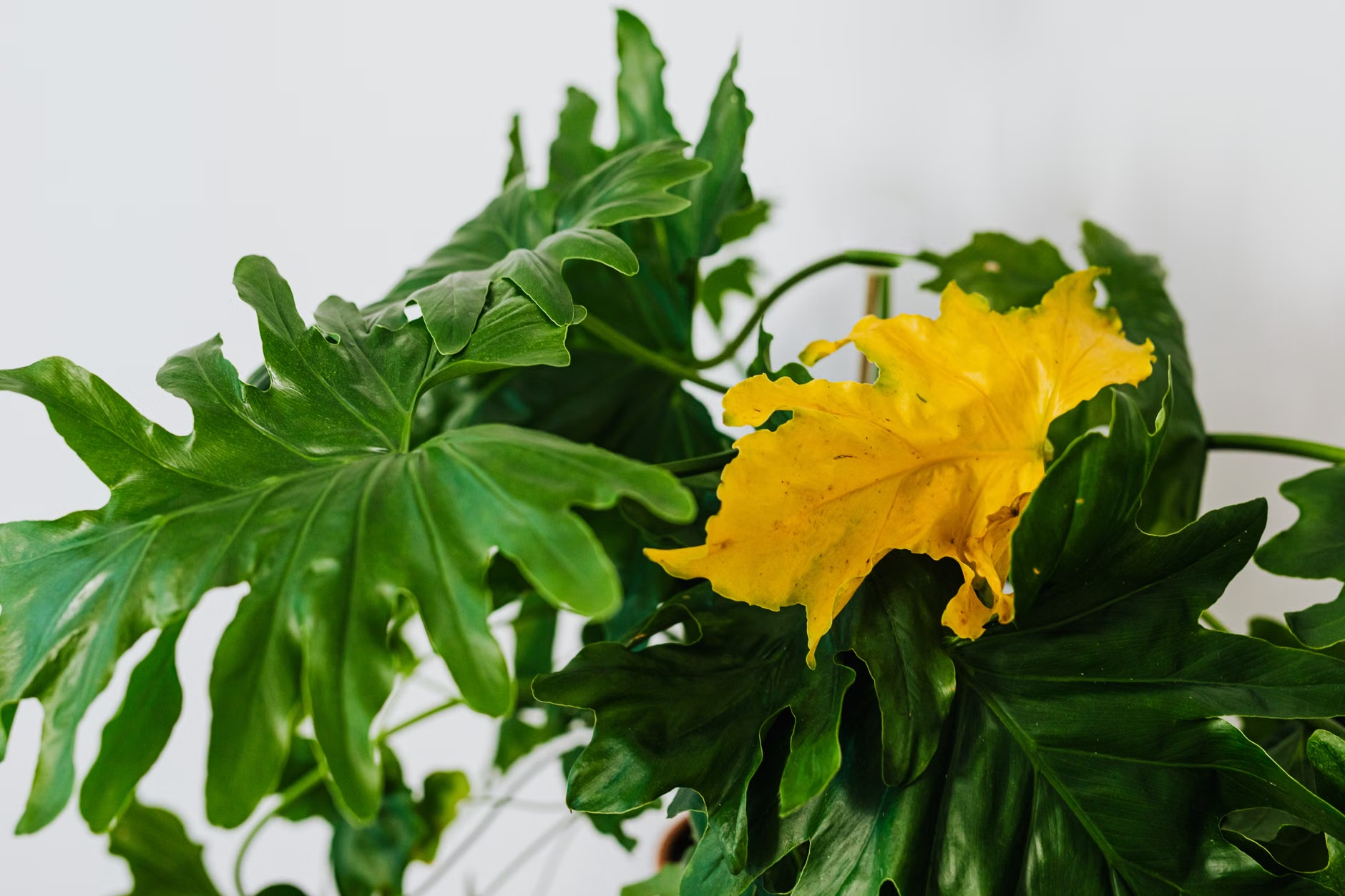
Above-soil symptoms overlap. A plant can wilt because the mix is dry, because it is so wet the roots are suffocating, because the rootball is packed tight and dries too fast, or because root rot has already damaged water uptake. Yellowing can also come from low light, pests, or general stress. Even fungus gnats are usually more clue than cause: they are associated with overly moist potting soil and are often more of a nuisance than the true source of decline. That is why a root inspection works so well as a first diagnostic step. (hgic.clemson.edu)
Use the ROOT Scorecard before you change anything
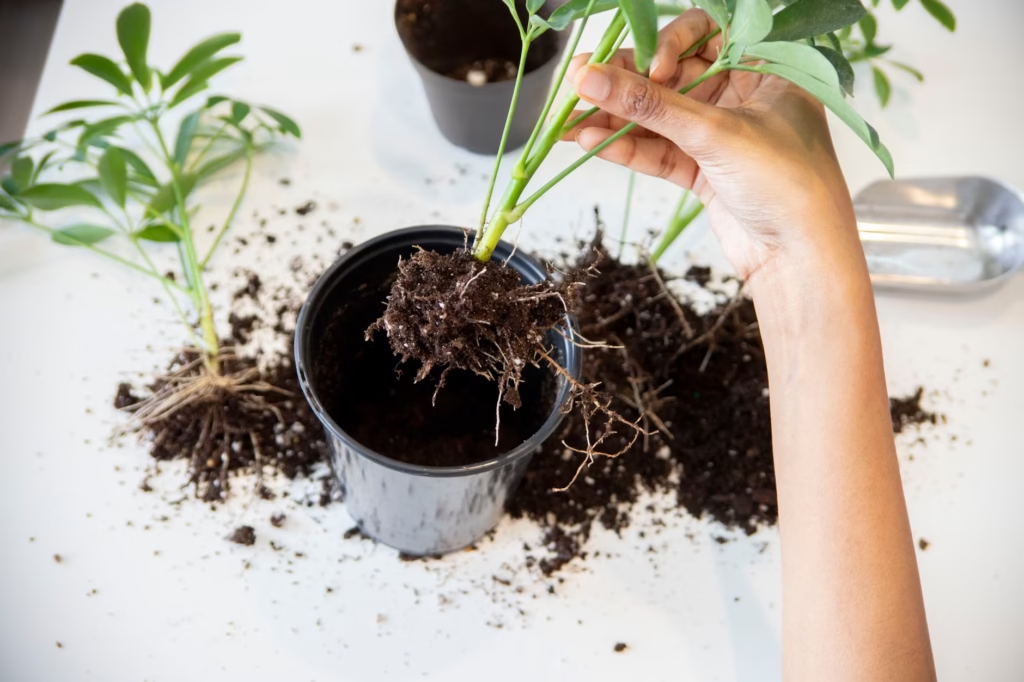
The ROOT scorecard tool is available here. Now what is ROOT? That abbreviation refers to Root coloration, Aroma and humidity, Crowding, and Sign symptoms. To carry out the scoring process the plant needs to be pulled out of the pot just enough for you to observe the outer root ball and the lower roots. Then you will score each criterion with a number from 0 to 2. This is not a substitute for human judgment but rather a method that allows for distinguishing thirsty plants from pot-bound ones and those with root problems.
| Category | 0 points | 1 point | 2 points | What it usually means |
|---|---|---|---|---|
| Root color and firmness | Mostly white, cream, or tan; roots feel firm | Some dead tips or scattered browning | Mostly brown or black; soft, slimy, or hollow | Higher score points to active root damage or rot. (hort.extension.wisc.edu) |
| Odor and moisture | Lightly moist with a clean earthy smell | Either very dry or unevenly wet | Soggy with a sour or swampy smell | Higher score points to a watering or drainage problem. (hort.extension.wisc.edu) |
| Overcrowding | Soil still visible around roots | Several roots at drainage holes or mild circling | Dense root mat or heavy circling all around the rootball | Higher score points to root-bound stress, not necessarily rot. (hgic.clemson.edu) |
| Telltale symptoms above soil | Steady growth and no repeat wilt | Slow growth, occasional wilt, or minor yellowing | Wilts in wet soil, yellows fast, or has fungus gnats around persistently wet mix | Higher score means the root zone deserves immediate attention. (hgic.clemson.edu) |
How to read the total: 0 to 2 means the roots are probably not the main problem, so shift your attention to light, temperature, or pests. A 3 to 5 means the roots are stressed, but the plant is often recoverable with better watering and possibly repotting. A 6 to 8 is a root emergency: inspect fully, cut only clearly dead roots if enough healthy ones remain, and repot into fresh mix. Those thresholds are editorial, but the logic behind them comes directly from extension distinctions between healthy roots, pot-bound stress, salt injury, and active rot. (hgic.clemson.edu)
How to do the check without making things worse
- Get your supplies ready first: fresh commercial potting mix, a clean pot with drainage holes, and clean pruners or scissors if trimming becomes necessary. Do not plan to add rocks or gravel at the bottom. Extension guidance says that can slow drainage rather than improve it. (hgic.clemson.edu)
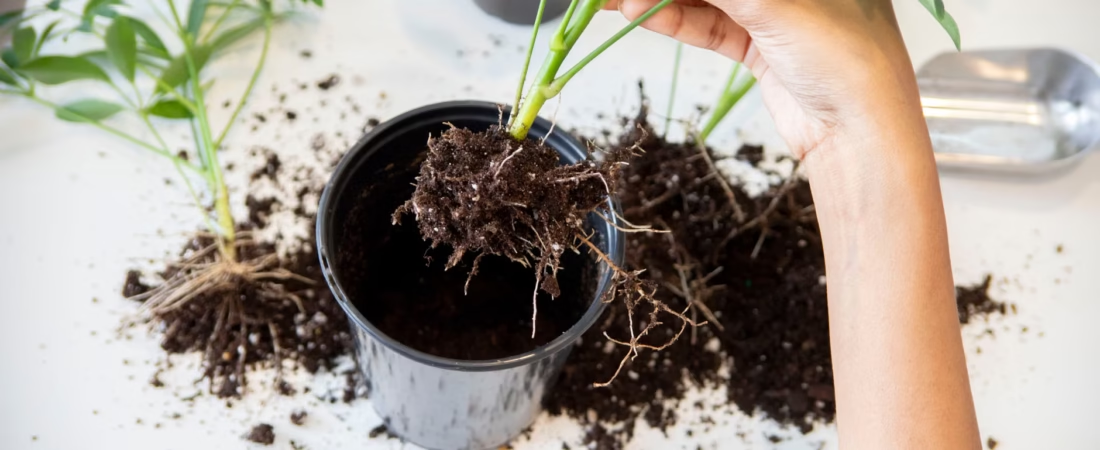
- Remove the plant gently. Support the soil with your hand and tap or squeeze the pot to loosen the rootball. Clemson recommends repotting during active growth, generally spring and summer, rather than doing routine repots on dormant or flowering plants. (hgic.clemson.edu)
- Check the bottom first. A few roots at the drainage hole can be normal. A braided pad of roots or a solid wall of roots around the pot means the plant is crowded and may be wilting because there is too little mix left to hold water. (hgic.clemson.edu)
- Smell and touch the rootball. Firm roots are a good sign. A sour odor, slime, and roots whose outer layer slips off are classic warning signs of rot. (hort.extension.wisc.edu)
- If only a few roots are clearly rotten, trim those roots, discard the old mix, and repot in fresh sterile or pasteurized commercial mix. If most roots are dark, soft, and dead, Clemson and Wisconsin guidance both suggest replacement may be more practical than rescue. (hgic.clemson.edu)
- Match the new pot to the live root mass. If roots are healthy and crowded, size up only 1 to 2 inches. If you removed a meaningful amount of dead roots, reusing the same size pot is often safer so extra mix does not stay wet too long. That same-size rescue rule is an editorial inference from guidance about not oversizing pots. (hgic.clemson.edu)
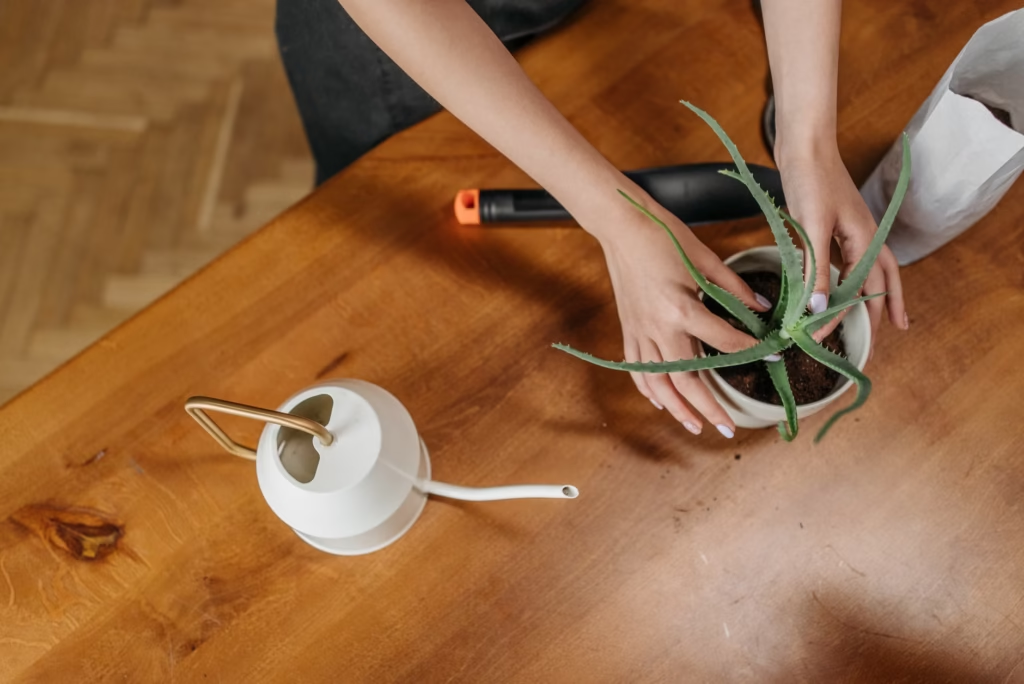
- Water after repotting until water runs out the bottom, then empty the saucer after it drains. Do not let the plant stand in water unless the species specifically requires that condition. (hort.extension.wisc.edu)
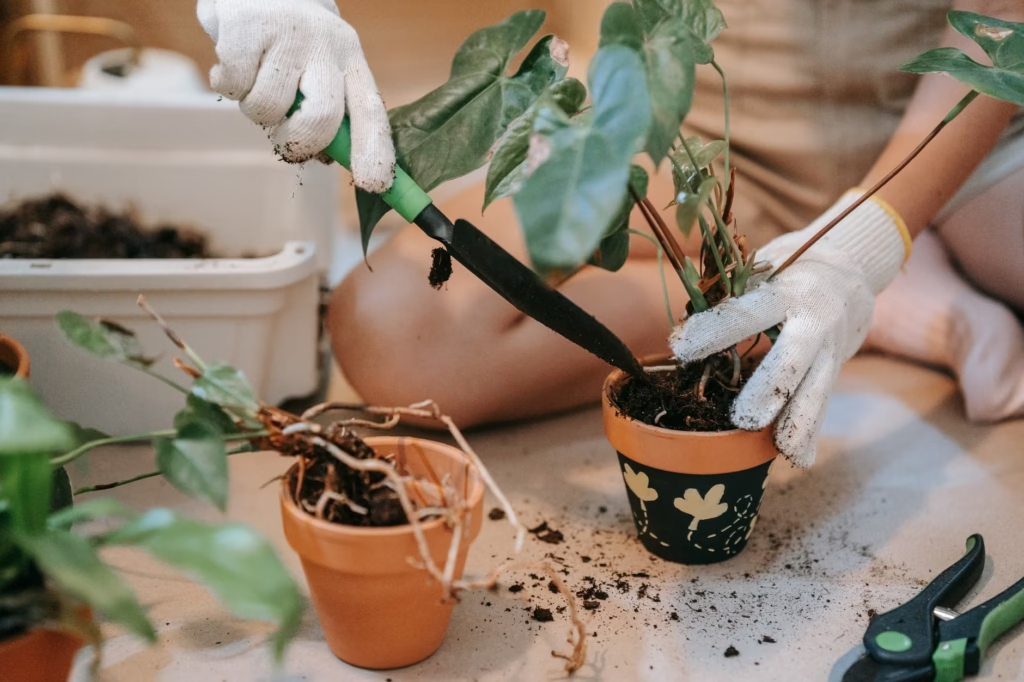
Do not repot on autopilot. Some plants tolerate being pot-bound, and Clemson notes that routine repotting should be done only as needed. Repotting a sick, dormant, or about-to-flower plant can create more stress unless the root problem itself is the emergency. (hgic.clemson.edu)
What the roots are telling you
| Above-soil symptom | Likely root finding | Most likely issue | Best next move |
|---|---|---|---|
| Plant wilts even though the soil is still wet | Brown, soft roots with sour smell | Root rot or severe oxygen starvation | Reduce moisture, remove only clearly dead roots if damage is limited, repot in fresh mix, and improve drainage. If most roots are gone, replacement is reasonable. (hort.extension.wisc.edu) |
| Plant wilts again shortly after watering | Dense circling roots and very little soil left | Root-bound stress | Loosen or lightly score the outer rootball and repot 1 to 2 inches wider. (hgic.clemson.edu) |
| Lower leaves yellow and the soil or pot rim has a white crust | Dead root tips or mild root decay, not necessarily mushy rot | Fertilizer or mineral salt buildup | Flush large pots thoroughly or replace the mix in smaller salt-heavy pots; reduce fertilizer rate and frequency. (extension.umd.edu) |
| Slow growth but no foul smell and no chronic wilt | Roots mostly firm and pale | Likely a non-root issue | Shift the diagnosis to light, temperature, or pests rather than repotting by reflex. (hgic.clemson.edu) |
| Small flying gnats rise from the soil | Mix stays wet for long stretches; roots may be fine or partly stressed | Chronic excess moisture, sometimes with early root trouble | Let the soil dry to the appropriate level between waterings, use sticky traps as a monitor, and consider fresh soil if the problem keeps coming back. (apps.extension.umn.edu) |
| Roots are poking from the drainage hole but the plant still looks decent | Crowded roots without major damage | Plant is nearing repot time, not necessarily in crisis | Wait for active growth if possible, then repot only slightly larger. (hgic.clemson.edu) |
One useful nuance: color alone is not enough. Healthy feeder roots are typically pale and firm, but on older or woodier plants you may sometimes see darker outer tissue that still feels solid. Texture matters more than perfection. Brown and mushy is a problem. Brown but firm can be age- or species-related, so judge the whole rootball, not one strand. That is a cautious editorial inference based on extension guidance emphasizing firmness, intact root structure, and healthy pale feeder roots. (extension.umn.edu)
A realistic example: the $28 pothos that looked thirsty
Say you bought an 8-inch pothos for $28 and set the nursery pot inside a decorative cachepot. Every Saturday, it got about 2 cups of water. By week six, the lower leaves started yellowing and the plant drooped by midweek, so you watered more. A root check would likely settle the question quickly. If the plant scores 7 out of 8 on the ROOT Scorecard, with sour-smelling mix, brown roots at the base, and fungus gnats around wet soil, the right move is not a bigger pot and not more fertilizer. The better move is to remove dead roots, discard the old mix, clean or replace the container, and repot to the size of the remaining healthy root mass. If half the roots are gone, an 8-inch pot may still be too large; the rescue pot could stay the same size or even go slightly smaller. That costs less than replacing the plant and addresses the actual problem instead of the leaf symptom. (hort.extension.wisc.edu)
When repotting helps, and when it backfires
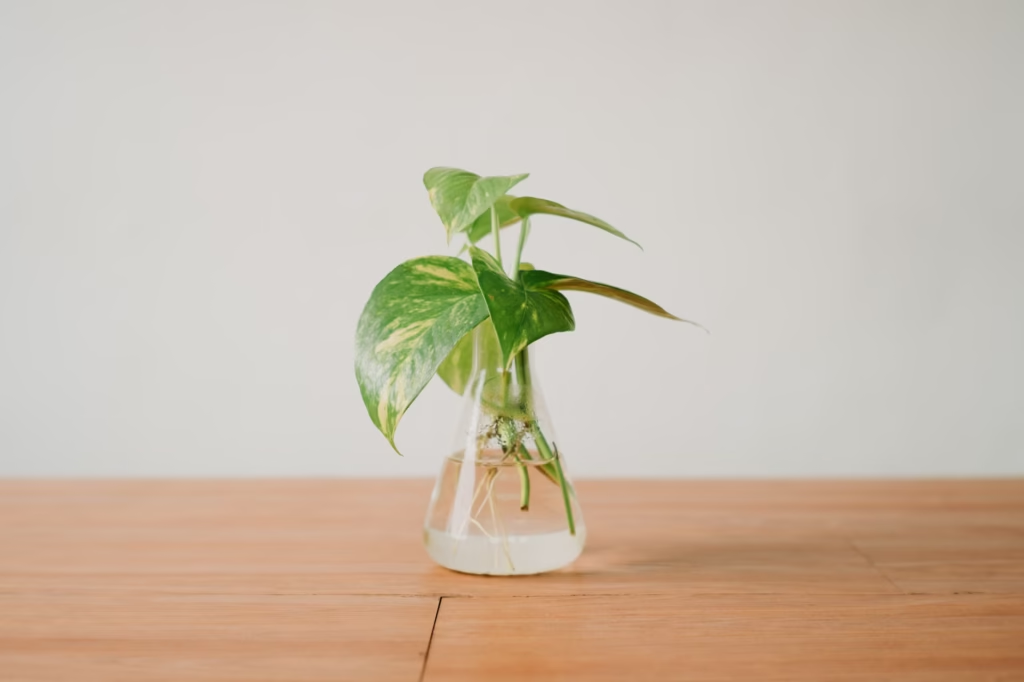
- Repotting helps when the roots are healthy but crowded. In that case, the problem is lack of room, not disease, and the fix is a slightly larger pot. Clemson recommends moving up only 1 or 2 inches in diameter. (hgic.clemson.edu)
- Repotting can backfire when the plant has already lost a lot of roots. Too much extra mix can stay wet too long, which is why a same-size rescue pot often makes more sense after root loss. That rule is editorial, supported by guidance warning that excess soil can hold excess water. (extension.umn.edu)
- Repotting also backfires when you keep the circling root pattern intact. Loosen the outer roots or lightly score the rootball so the plant is not left in a tight coil. (hgic.clemson.edu)
- Repotting is not the only option for very large containers. Clemson suggests topdressing by replacing the top 2 to 3 inches of old mix when the container is too large to repot fully. (hgic.clemson.edu)
Common mistakes that keep the root problem going
- Watering on a fixed calendar instead of checking the mix. Water use changes with pot size, light, temperature, and root health, so a rigid schedule can create chronic overwatering. (extension.oregonstate.edu)
- Leaving a nursery pot in standing runoff inside a decorative pot or saucer. Roots need oxygen, and standing water raises the risk of rot. (hgic.clemson.edu)
- Adding rocks or gravel to the bottom for drainage. This is one of the most persistent bad habits in plant care, and extension guidance says it can actually inhibit drainage. (hgic.clemson.edu)
- Trying to feed a stressed plant out of trouble. High soluble salts from overfertilizing can cause browned tips, wilting, dead root tips, and root decay. (extension.umd.edu)
- Reusing old mix after rot. Wisconsin specifically advises against reusing contaminated mix or drainage water from affected plants. (hort.extension.wisc.edu)
- Treating fungus gnats as the whole issue. They usually signal a too-wet root zone rather than causing the decline themselves. (apps.extension.umn.edu)
If the first fix is not enough
Sometimes the roots are not the main culprit. If the rootball looks mostly healthy, stop repotting and start auditing the environment. Yellowing can come from low light, low fertility, mites, or other pests, and sap-feeding insects can quietly reduce vigor long before the plant looks obviously infested. In that case, the root check did its job by ruling out the wrong fix. (hgic.clemson.edu)
The opposite limit is real too: sometimes the roots are too far gone. If most roots are dark, soft, foul-smelling, and the crown or stem base is collapsing, home rescue odds drop quickly. Wisconsin notes that throwing the plant out is often the most cost-effective response, and Clemson makes a similar point when most roots are dark, soft, and dead. Fungicides are usually not the answer for houseplants because product options are limited and often not worth the cost for the average indoor grower. (hort.extension.wisc.edu)
- If roots look fine, move next to light exposure, temperature changes, and pest scouting. (hgic.clemson.edu)
- If only a few roots are infected, cut those roots, replace the mix, and keep the potting setup cleaner going forward. (hgic.clemson.edu)
- If the container is too large to repot, topdress instead of forcing a full transplant. (hgic.clemson.edu)
- If most of the root system is gone, replacing the plant is a reasonable backup plan, not a failure. (hort.extension.wisc.edu)
How to verify the diagnosis before you settle on the fix
- Snap a picture of your plant and make note of the details: for instance, when you took the picture, what volume the pot holds, and what adjustments you have made. Diagnosing root problems is a lot simpler when one has a reliable basis for comparison instead of relying on memory alone.
- Track two full watering cycles. If the plant still wilts while the mix is wet, or if the pot stays heavy and soggy for days, your root-zone problem is probably not solved. (hort.extension.wisc.edu)
- Check the soil surface and pot rim. Reappearing white crust suggests ongoing salt buildup; recurring fungus gnats suggest moisture is still staying too high. (extension.umd.edu)
- Reinspect only if the signals stay bad: worsening odor, stem collapse at the soil line, or no improvement in stability between waterings. If those signs persist, either the root damage is continuing or the original diagnosis was incomplete. (extension.umd.edu)
Bottom line
A struggling plant is often making a root-zone complaint, not a leaf-zone complaint. Before you add more water, more fertilizer, or a bigger pot, pull the plant and check the roots. Firm and pale means look elsewhere. Circling and crowded means repot carefully. Brown, mushy, or foul-smelling means drainage and root health are the urgent issue. Once you start diagnosing the roots instead of the leaves, plant care usually gets simpler and more accurate. (hgic.clemson.edu)
Frequently asked questions
Do I always have to take the plant out of the pot to check the roots?
Not always. Roots growing from drainage holes, repeat wilt right after watering, sour odor, or persistent wetness can already point you toward the root zone. But if you suspect rot or root-bound stress, a direct look at the rootball is the clearest way to confirm it. (hgic.clemson.edu)
Can a root-bound plant look like it needs more water?
Yes. Clemson notes that a pot-bound plant may wilt because there is not enough soil left in the pot to hold enough water for the root mass. That is a different problem from rot, even though the leaves can look similar. (hgic.clemson.edu)
How much bigger should the new pot be?
For a healthy crowded plant, Clemson recommends choosing a pot just 1 or 2 inches larger in diameter than the current one. Jumping too far up can leave excess mix wet for too long. (hgic.clemson.edu)
What should I do if there is a white crust on the soil?
That is often a sign of fertilizer or mineral salt buildup. University of Maryland Extension says large pots can sometimes be leached with clear water, while smaller pots with high salts may need the potting media replaced. (extension.umd.edu)
Should I reuse the old potting soil if the plant had root rot?
No. Wisconsin guidance says not to reuse potting mix from plants with root rot, and not to reuse drainage water either, because both can carry root-rot organisms. (hort.extension.wisc.edu)
If the roots look healthy, what should I check next?
Move on to light, temperature shifts, and pests. Clemson notes that yellowing can come from low light or pests, and Penn State lists common indoor problems such as mealybugs, scale, spider mites, and fungus gnats. (hgic.clemson.edu)
References
- Clemson Home & Garden Information Center: Indoor Plants – Transplanting & Repotting – https://hgic.clemson.edu/factsheet/indoor-plants-transplanting-repotting/
- Clemson Home & Garden Information Center: Houseplant Diseases & Disorders – https://hgic.clemson.edu/factsheet/houseplant-diseases-disorders/
- University of Wisconsin Horticulture: Houseplant Care – https://hort.extension.wisc.edu/articles/houseplant-care/
- University of Wisconsin Horticulture: Root Rots on Houseplants – https://hort.extension.wisc.edu/articles/root-rots-houseplants/
- University of Maryland Extension: Fertilizer Toxicity or High Soluble Salts in Indoor Plants – https://extension.umd.edu/resource/fertilizer-toxicity-or-high-soluble-salts-indoor-plants
- University of Maryland Extension: Mineral and Fertilizer Salt Deposits on Indoor Plants – https://extension.umd.edu/resource/mineral-and-fertilizer-salt-deposits-indoor-plants
- University of Minnesota Extension: African violets – https://extension.umn.edu/gardening-minnesota/african-violets
- University of Minnesota Extension: Managing insects on indoor plants – https://extension.umn.edu/yard-and-garden-insects/insects-indoor-plants