TL;DR
- Quarantine every new plant for 21 days. That is a practical apartment rule based on extension guidance that ranges from one to two weeks to about three weeks. (extension.umn.edu)
- Inspect more than the leaves you can see at eye level. Check leaf undersides, stems, flower buds, pot rims, and saucers. (extension.umn.edu)
- Sticky traps are useful for detection and partial control of flying pests, but they are not a complete solution on their own. (extension.umn.edu)
- Start with washing, pruning, hand removal, and fresh potting mix when the pest is soil-related. Use pesticides only if the label allows indoor or houseplant use, and follow it exactly. (extension.umn.edu)
- Heavily infested plants are sometimes cheaper and safer to discard than to keep fighting. (extension.colostate.edu)
Informational only: This article is for general education. If you use a pesticide indoors, read the full label, follow directions exactly, and ventilate the area well afterward. If you have children, pets, or respiratory sensitivities, lean on nonchemical methods first and ask a local extension office or qualified professional before escalating. (epa.gov)
Why quarantine pays off in a small apartment
University guidance lines up on a simple fact: many indoor pest problems arrive with new or gifted plants. Colorado State notes that infestations of scale, mealybugs, and whiteflies are often established from infested plants that were recently purchased or received, while Minnesota recommends examining every new plant and isolating it before it joins the rest of your collection. (extension.colostate.edu)
That advice matters even more in a tight space, where plants often share one shelf, one watering can, and one sink. In a small apartment, you usually do not have the luxury of missing the first week of symptoms. Pests also hide where rushed owners forget to look: leaf undersides, pot rims, saucers, flower buds, and stem joints. In practice, a good quarantine station is really an inspection station with cleanup built in. (extension.umn.edu)
Build a station you will actually use
Forget the fantasy greenhouse. The best apartment quarantine zone is the place you can keep separate and inspect without a lot of hassle: a bathroom counter with an added grow bulb, a rolling cart in a bedroom, or one end of a kitchen counter that holds no other plants. What matters is that one suspect plant does not sit shoulder to shoulder with the rest of your collection, and that you can wipe the area quickly if you spot honeydew, webbing, or fallen debris. (extension.umd.edu)
| Item | Why it earns a place | Sample planning cost |
|---|---|---|
| Waterproof tray or shallow tub | Defines the zone and makes cleanup faster. | $8 |
| 10x hand lens or phone clip lens | Small pests are easy to miss, and extension guidance specifically notes that a magnifying lens can help with inspection. (extension.umn.edu) | $7 |
| Yellow or blue sticky traps | Useful for detecting flying pests like whiteflies, fungus gnats, winged aphids, and thrips, but not a stand-alone cure. (extension.umn.edu) | $6 |
| Dedicated cloths and small scissors | Lets you wipe leaves and prune isolated damage without spreading mess through the apartment. (extension.umn.edu) | $5 |
| Optional clip-on grow bulb | Makes a low-light bathroom or entry corner usable for a short quarantine period. | $12 – $18 |
Use the CLEAR Shelf Test before a plant comes inside
CLEAR provides a unique method of determining how well your current quarantine location will support the health of your plants. You score each item in the table below by giving your quarantine location one point for every “yes” answer. If you score 4 or 5 points on this list, your quarantine location should support the health of your plants. If you score 3 points, you will want to add lighting or a tray or find a way to separate your plants better. If you score 2 or less; your quarantine location will most likely make it hard for you to continue using it after the 2nd plant.
- C – Closed off enough. Best case is a different room with a door. If that is impossible, use the farthest practical spot from your main plant group and do not share tools. Extension advice consistently calls for a separate area or isolation for new or infested plants. (extension.colostate.edu)
- L – Light matched. Quarantine is not a punishment box. Keep enough light and stable conditions so the plant is not additionally stressed. Colorado State notes that stressed plants may be more susceptible to insect and mite injury. (extension.colostate.edu)
- E – Easy inspection. You should be able to check leaf tops, leaf undersides, pot edges, and the saucer in less than a minute. (extension.umn.edu)
- A – Air not blasting. Skip the hot, dry spot under a vent or heater. Hot, dry placements can favor spider mites. (extension.colostate.edu)
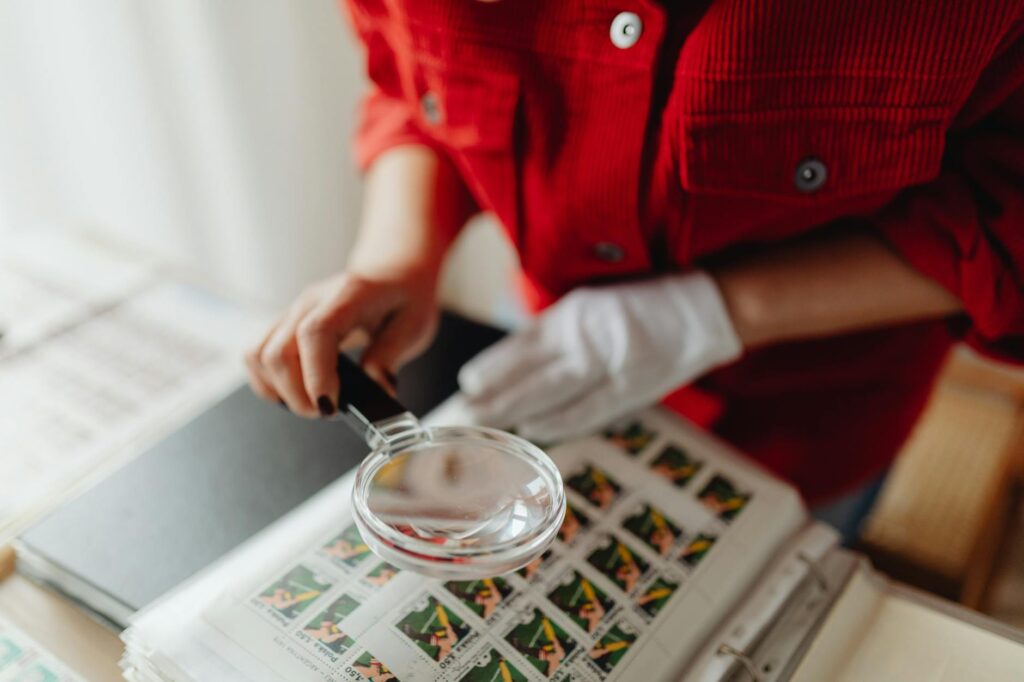
- R – Ready cleanup. Keep wipes or paper towels, small scissors, a trash bag, and a magnifying lens beside the zone so you are not walking a suspect plant across the apartment. A magnifying lens is especially useful because some pests are tiny. (extension.umn.edu)
A 21-day intake routine that works in real life
- Inspect before you buy. Check the tops and undersides of leaves, stems, flower buds, pot rims, and saucers. Walk away from plants with sticky honeydew, obvious webbing, cottony white wax, or a burst of tiny flies from wet soil. (extension.umn.edu)
- When you get home, place the plant directly in the quarantine zone on its own tray. Add a sticky trap right away so you have a baseline for flying pests. (extension.umn.edu)
- Rinse or wipe the plant on day one. Small plants can be sprayed in a sink, larger ones in a shower, and wiping leaves can remove some pests before they get established. A forceful water spray can help with aphids, spider mites, and some thrips, but it is a first pass, not a full cure. (extension.umn.edu)
- If the issue is limited to a few leaves, stems, or flowers, prune those parts and bag them right away. Pruning is especially useful when the infestation is still localized. (extension.umn.edu)
- Check the plant every time you water. Minnesota notes that some pests, including fungus gnats, become easier to notice when watering disturbs them. (extension.umn.edu)
- Repot only when it helps. Fresh potting mix can eliminate soil-borne pests, but repotting alone will not solve thrips living on foliage or hiding in flowers and leaf joints. (extension.umn.edu)
- Keep the plant isolated for 21 days. That timeline splits the difference between extension advice to isolate for one to two weeks and guidance recommending about three weeks, which is a sensible rule when apartment plants live close together. (extension.umn.edu)
- If you use a pesticide, confirm it is labeled for indoor or houseplant use, check the target pest and plant guidance when required, and ventilate well after treatment. (epa.gov)
The money math on one bad purchase
Consider a renter with 11 houseplants worth about $312 to replace: one $55 monstera, one $40 rubber plant, one $28 snake plant, and eight smaller plants averaging $23. A new $22 philodendron comes home with mealybugs. A basic quarantine kit costs about $26 in this example, and the outbreak stays limited to one plant plus a bottle of treatment. Skip quarantine, and the bill can climb fast: $14 for potting mix, $6 for traps, $11 for soap, and two lost $23 plants already puts the mistake at $54, not counting time, cleanup, or frustration. The point is not that every outbreak gets expensive. It is that a cheap, boring setup can work like insurance for the collection you already paid for.
Fast diagnosis table: what to do first
| What you see | Likely culprit | First move in quarantine | When the first plan is not enough |
|---|---|---|---|
| Cottony white bits on stems, nodes, or pot edge | Mealybugs | Isolate strictly; dab individual bugs carefully with alcohol or remove them physically; inspect undersides and the pot exterior. (extension.umd.edu) | If it is widespread, multiple labeled treatments may be needed, and heavily infested plants are often best discarded. (extension.umd.edu) |
| Sticky residue or black sooty film, plus brown bumps that do not move | Soft scale or aphids | Check stems and leaf undersides, wipe what you can, and prune the worst areas. Honeydew is a major clue. (extension.umd.edu) | If the plant keeps producing honeydew after cleanup, move to a product labeled for indoor use or discard a badly infested plant. (extension.umd.edu) |
| White flecks, bronzing, or fine webbing | Spider mites | Rinse the plant in the sink or shower and move it away from hot, dry air. (extension.colostate.edu) | Persistent webbing usually means you need repeated control, not just one rinse. (extension.colostate.edu) |
| Tiny black flies near wet soil | Fungus gnats | Use sticky traps to monitor adults and adjust watering, because fungus gnats are associated with overwatered, organic-rich soil. (apps.extension.umn.edu) | If the problem keeps returning, use fresh potting mix and a clean pot. (extension.umn.edu) |
| Silvery scarring, distorted new growth, or black specks on leaves or flowers | Thrips | Rinse both sides of leaves, remove infested flowers, and inspect young leaves, leaf margins, and stem joints. (extension.umd.edu) | Repotting alone will not fix thrips on foliage; repeated control is often needed. (extension.umd.edu) |
| Tiny white insects flutter up when the leaf is disturbed | Whiteflies | Trap adults, but spend most of your effort checking leaf undersides for immature stages. (extension.msstate.edu) | Adult-only control usually fails because the nymphs stay attached under the leaves. (extension.msstate.edu) |
Mistakes that turn one pest into a collection problem
- Buying the prettiest discounted plant without checking the undersides of leaves, the pot rim, and the saucer first. Those are exactly the places extension services tell you to inspect. (extension.umn.edu)
- Letting a new plant spend “just one night” on the main shelf. Isolation only works if you actually isolate. (extension.colostate.edu)
- Using sticky traps as if they solve the whole infestation. They help detect and reduce flying adults, but traps alone will not eliminate pests that stay on or around the plant. (extension.colostate.edu)
- Repotting first and inspecting later. Fresh mix can help with soil-borne pests, but it will not remove thrips hiding on foliage or in flowers. (extension.umn.edu)
- Spraying more product than the label allows or improvising a product mix. EPA is clear that the label tells you how to use the product safely and effectively, and using it inconsistently with the label is not allowed. (epa.gov)
- Keeping a badly infested plant out of guilt. Several extension sources say seriously or heavily infested plants are often best discarded because they keep threatening the rest of the collection. (extension.colostate.edu)
When the simple setup is not enough
Sometimes the tidy little station still loses. Large floor plants are hard to rinse in a sink. Rescue plants can arrive with multiple pests already established. And some pests use more than one hiding place. Thrips can occupy flowers and leaf joints, and repotting only addresses the soil stage. Whiteflies are easy to spot as adults but harder to eliminate because the immature stages cling to leaf undersides. In those cases, think in layers: prune, wash, repot when appropriate, and decide early whether the plant is worth the labor. (extension.umd.edu)
- Upgrade the zone, not the chaos. If you can, move the plant to a truly separate room or to a simple enclosure you can clean easily, with added light if needed.
- Skip the fantasy of mail-order beneficials for a standard apartment as your first fix. Extension sources note that they can be expensive, perishable, or poorly suited to average home conditions. (extension.colostate.edu)
- If treatment requires a pesticide, only use products labeled for indoor or houseplant use, and ventilate well after application. (epa.gov)
- If the plant is heavily infested and low value, replacement is often the cheaper, cleaner choice. Seriously infested plants can remain a source of pests for the rest of the collection. (extension.colostate.edu)
How to audit your quarantine system before you trust it
- Inspection audit: Can you check the tops and undersides of leaves, the pot rim, and the saucer without moving other plants? If not, the setup is too cramped. (extension.umn.edu)
- Detection audit: Does the sticky trap catch new flying pests? Helpful, yes; decisive, no. Traps detect flying insects, but they do not eliminate the whole problem. (extension.umn.edu)
- Symptom audit: Are honeydew, black frass spots, webbing, or leaf distortion decreasing between checks? Those visible clues help you tell whether the plan is working. (extension.umd.edu)
- Safety audit: If you are using any pesticide, can you identify the indoor-use instructions, first-aid section, and your ventilation plan before you spray? EPA says the label is the first step and must be followed. (epa.gov)
- Decision audit: If you have logged two or three rounds of care with no improvement, stop improvising. Prune harder, repot only when it fits the pest, or discard the plant before it threatens the rest of the collection. (extension.umn.edu)
Bottom line
A tiny-apartment quarantine setup does not need to be pretty or expensive. It needs to be separate, easy to inspect, and easy to clean. If you apply the CLEAR Shelf Test, keep new plants isolated for a full 21 days, and act on the first signs instead of the worst signs, you will often spend less money and lose fewer plants than the owner who skips quarantine and hopes for the best. The science-backed core is simple: isolate, inspect, wash or prune early, and use indoor pesticides only as labeled. (extension.colostate.edu)
FAQ
How long should I quarantine a new houseplant in an apartment?
A practical apartment rule is 21 days. That splits the difference between extension advice to isolate for one to two weeks and guidance recommending about three weeks. (extension.umn.edu)
Do sticky traps solve fungus gnats, or just show me them?
Not by themselves. They help detect and reduce flying adults, but extension guidance treats them as a monitoring or partial-control tool, while watering and soil management do the deeper work. (extension.umn.edu)
Should I repot every new plant before it joins the others?
Usually not. Fresh mix can help with soil-borne pests, but it will not solve pests living on leaves, stems, or flowers. Thrips are a classic example: repotting may remove pupae in the soil, but not the insects elsewhere on the plant. (extension.umn.edu)
Are beneficial insects worth trying in a studio apartment?
Usually not as a first move. Extension sources note that beneficials can be expensive, perishable, and not well matched to typical home humidity or small-scale conditions. They make more sense in greenhouse-style setups than on a bathroom shelf. (extension.colostate.edu)
When is it smarter to throw a plant away?
When the plant is heavily infested, low value to you, and clearly threatening the rest of the collection. Several extension sources say badly infested houseplants are often best discarded rather than kept as a continuing source of pests. (extension.colostate.edu)
Can I use any bug spray I already own?
Only if the label allows indoor or houseplant use and matches your plant and target pest when required. EPA stresses that the label tells you how to use the product safely and effectively, and it is illegal to use a pesticide in a way the label does not permit. (epa.gov)
References
- Managing insects on indoor plants – UMN Extension – https://extension.umn.edu/product-and-houseplant-pests/insects-indoor-plants
- Managing Houseplant Pests – Colorado State University Extension – https://extension.colostate.edu/resource/managing-houseplant-pests/
- Pesticides’ Impact on Indoor Air Quality – US EPA – https://www.epa.gov/indoor-air-quality-iaq/pesticides-impact-indoor-air-quality
- Keep Safe: Read the Label First – US EPA – https://www.epa.gov/pesticide-labels/keep-safe-read-label-first
- Thrips in Home Gardens – University of Maryland Extension – https://extension.umd.edu/resource/thrips-home-gardens
- Mealybugs on Indoor Plants – University of Maryland Extension – https://www.extension.umd.edu/resource/mealybugs-indoor-plants
- Scale Insects on Indoor Plants – University of Maryland Extension – https://www.extension.umd.edu/resource/scale-insects-indoor-plants
- Fungus gnats – University of Minnesota Extension – https://apps.extension.umn.edu/garden/diagnose/insect/indoor/flies/small/fungus-gnats.html
- Insect Pests of Houseplants – Mississippi State University Extension Service – https://extension.msstate.edu/publications/insect-pests-houseplants
- Pest and Disease Problems of Indoor Plants – Penn State Extension – https://extension.psu.edu/pest-and-disease-problems-of-indoor-plants