TL;DR
- A weekly plant-watering routine sounds disciplined, but Extension guidance is clear that indoor plants should be watered when they need it, not by the calendar. Light, temperature, humidity, pot size, pot type, and potting mix all change how quickly a plant dries out. (extension.umd.edu)
- A drooping plant is not automatically a thirsty plant. Overwatered plants can wilt too, because constantly wet potting mix reduces oxygen around the roots and can lead to root loss or rot. (extension.umd.edu)
- Apartment setups can make the problem worse: low winter light, heat or AC vents, decorative pots without drainage, and oversized containers all distort how fast soil dries. (extension.umd.edu)
- A better system is to check the soil, lift the pot, consider the plant type, and account for seasonal indoor conditions before you water. (extension.umd.edu)
- The payoff is not just healthier plants. It can also reduce replacement purchases, fungus gnat fixes, and wasted potting mix from plants that were slowly being drowned instead of cared for. (extension.umd.edu)
A fixed Sunday watering routine looks responsible on paper. For apartment plants, it is often the habit that starts the decline. One week the room is cool and dim; the next week the window is getting stronger sun. Meanwhile, the plant in terra-cotta dries faster than the one sitting in plastic inside a decorative cachepot. The calendar does not notice any of that. Your roots do. (extension.umd.edu)
That matters financially, too. Apartment plant owners often misdiagnose slow damage as bad luck, then spend again on replacement plants, new soil, gnat traps, or another prettier pot. In many cases, the original plant was not hard to care for. It was just being watered on a human schedule instead of a plant schedule. (extension.umd.edu)
Why a neat weekly routine backfires
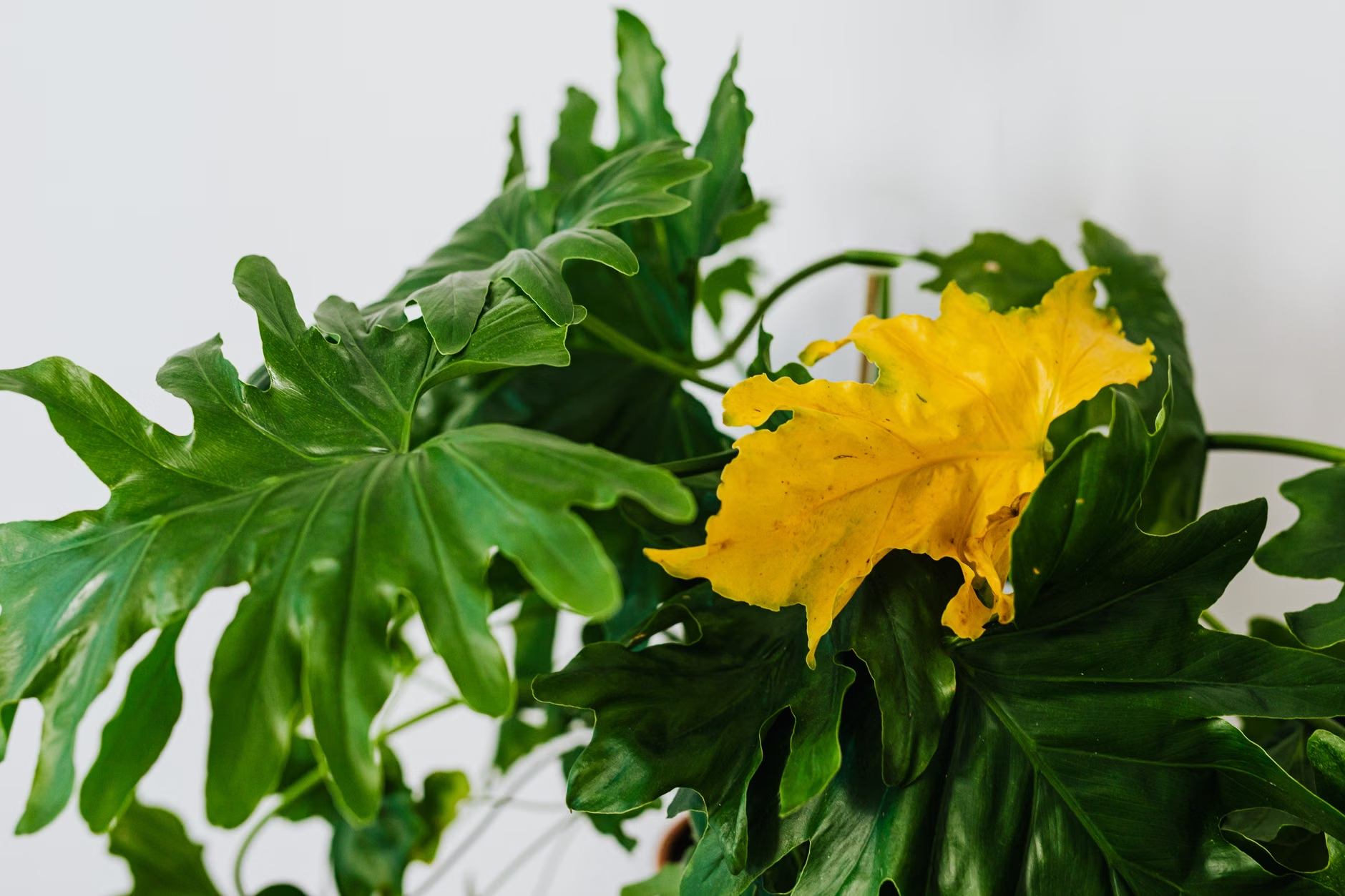
The biggest trap is that the warning signs overlap. A plant that is too dry may droop. A plant that is too wet may also droop. Yellowing leaves, leaf drop, and stalled growth can show up when roots stay waterlogged long enough to lose function. That is why “it looks sad, so I watered it” is one of the most expensive reflexes in basic houseplant care. (extension.umd.edu)
Apartment conditions also change faster than many people realize. Low light in winter usually means slower growth and lower water use. Spring growth and brighter windows can raise water demand. Dry indoor air may create brown edges on humidity-loving plants, but that does not automatically mean the soil should stay wet all the time. Humidity problems and soil-moisture problems are related, but they are not solved the same way. (extension.umn.edu)
Then there is the apartment hardware problem. Decorative containers often hide whether excess water is pooling. Pots without drainage holes keep too much water trapped. And when a plant is placed into a container that is much too large, the extra soil can stay wet longer than the roots can handle. A tidy-looking setup can be a bad watering setup. (extension.psu.edu)
Warning: If the plant is drooping but the potting mix still feels moist, do not treat that as automatic proof of thirst. Wet soil can mean the roots are already struggling for oxygen. (extension.umd.edu)
Use the No-Calendar DRIP Check
Use the DRIP Check to establish when to water each of your plants rather than watering them on any designated day. This is an easy to follow reset for apartment living because it compels you to review and consider your plants as well as their pots and the room where they are located before they require water.
- D – Dryness: Check the potting mix first. For many common houseplants, a finger test about 1 to 2 inches down is a reasonable starting point. If the surface is dry but the root zone below is still moist, wait. For cacti and succulents, wait longer and let the mix dry more deeply. (extension.umd.edu)
- R – Raise the pot: Lift the container right after a full watering and notice how heavy it feels. Then lift it again every couple of days. Extension guidance repeatedly recommends weight as a quick reality check because dry mix is much lighter than moist mix. (extension.umd.edu)
- I – Indoor conditions: Ask what changed this week. More sun, warmer temperatures, active spring growth, and dry air can increase water use. Lower winter light, cooler rooms, and slower growth usually reduce it. (extension.umn.edu)
- P – Plant profile: A pothos, peace lily, orchid, snake plant, and cactus should not share the same watering rhythm. Some prefer evenly moist conditions, some want the top inch to dry, and some are safest when allowed to dry much more between waterings. (extension.umd.edu)
One more non-negotiable: once you do water, water thoroughly enough that water drains out the bottom, then empty the saucer or outer pot. Plants sitting in runoff stay too wet and are more likely to attract fungus gnats or develop root problems. Some plants can also be bottom watered, but the goal is still the same: moisten the root zone and avoid leaving the plant parked in water. (extension.umd.edu)
A realistic apartment example, with dollars attached
A renter with multiple indoor plants has one of each of the following types of plants: pothos, peace lily, snake plant, ZZ plant, small succulent tray, and young monstera. On Sunday evenings, the owner waters all of the plants approximately one cup of water each because he thinks it is an efficient method. When there is plenty of light in April, the monstera and pothos are doing well. However, when there is less light in May, the snake plant and ZZ plant still have water in them on Sunday, but he gives them each a cup of water. Eight weeks later, the succulent tray has rot, the ZZ is turning yellow, and two pots of plants have fungus gnats in them.
The money leak is not dramatic, but it adds up. Replace the succulent tray for $18, buy a new ZZ for $32, spend $12 on gnat traps, and $16 on fresh potting mix, and the “simple” watering routine has turned into a $78 correction. If the decorative cachepot also trapped runoff and damaged a shelf liner, the total climbs again. A DRIP Check would have taken about two extra minutes per watering session and likely prevented most of that spending.
Build a watering rhythm that adapts
- Group plants by thirst level, not by where they look best. Put moisture-lovers in one mental bucket, moderate drinkers in another, and drought-tolerant plants in a third. That alone reduces accidental overwatering of snake plants, ZZ plants, and succulents. (extension.umn.edu)
- Pick two check days each week instead of one mandatory watering day. For example, Wednesday and Sunday are inspection days, not automatic watering days. On those days, run the DRIP Check plant by plant.
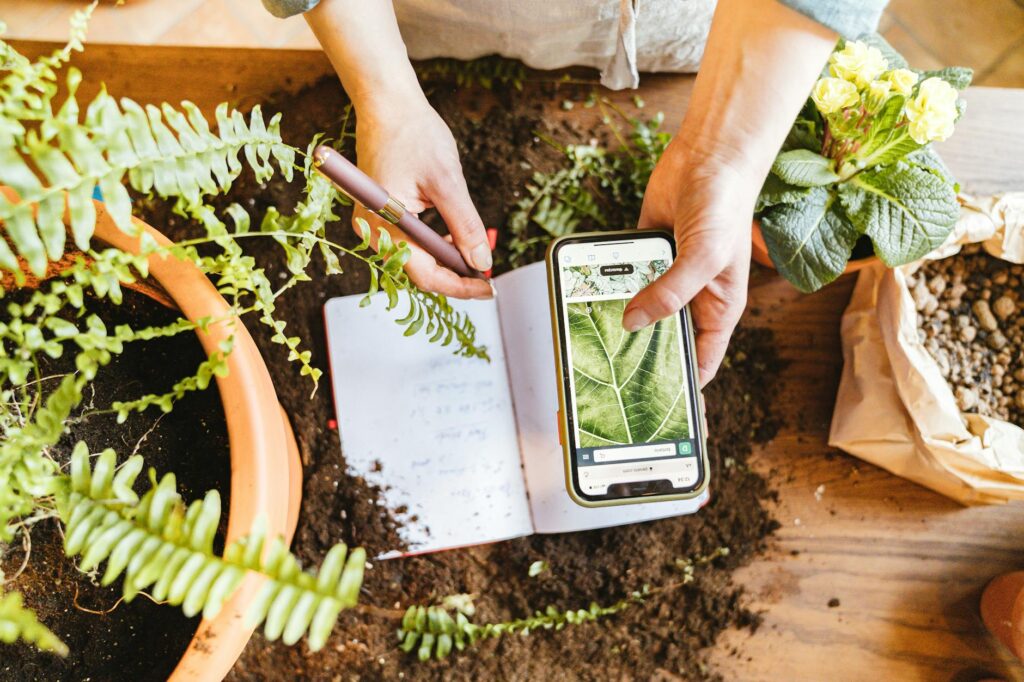
- Use your smartphone to keep track of every hard-to-keep plant you have by recording the date it was watered, if the top inch was dry at that time, and if the container felt light. Patterns will quickly begin to emerge after only two or three weeks.
- After watering, dump the saucer or outer pot. If you use a cachepot, remove the nursery pot, water in the sink, let it drain, and then return it. (extension.umd.edu)
- In spring and early summer, expect some plants to need checks more often as growth and light increase. In winter, expect many plants to need less frequent watering, even if indoor heating makes the air feel dry. (extension.umn.edu)
- If a plant has dried so much that the soil has pulled away from the sides of the pot, do not assume one splash of water fixed it. Rehydrate thoroughly, and in stubborn cases use several passes or bottom watering so the mix actually absorbs moisture again. (extension.umd.edu)
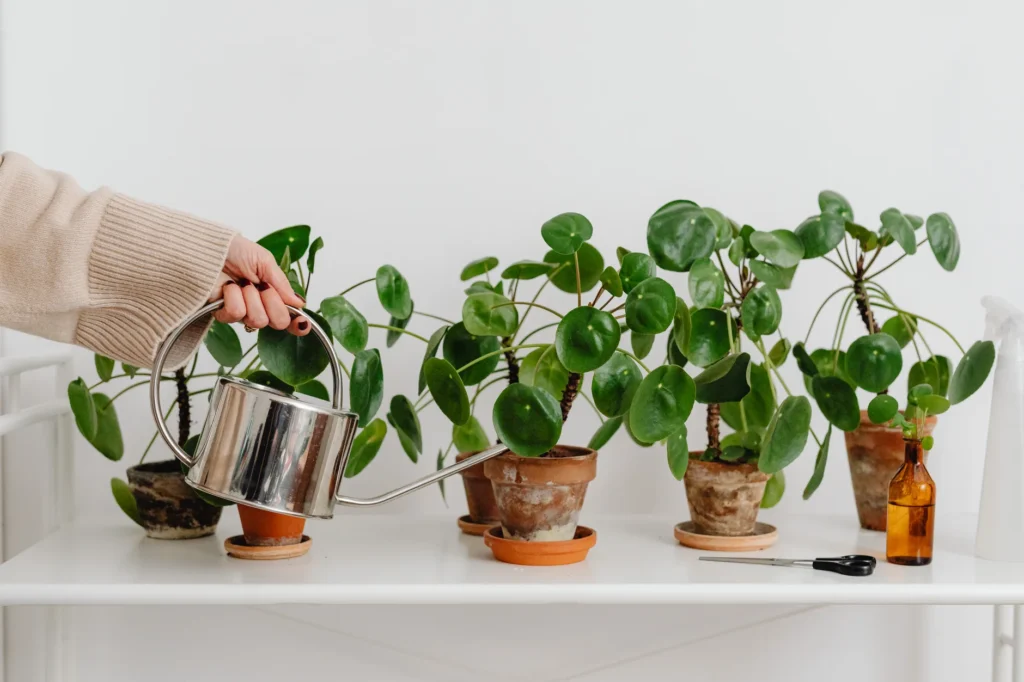
Quick decision table for common apartment plants
| Plant type | What to check before watering | Caution |
|---|---|---|
| Pothos | Often does well when the top inch or two has dried and the pot feels lighter. | Do not assume every droop means thirst; check the mix first. |
| Peace lily | Usually appreciates more even moisture than drought-tolerant plants, but still should not sit in water. | Wilting can happen from stress in either direction, so avoid reflex watering. |
| Snake plant | Let the mix dry much more thoroughly before watering again. | Easy to overwater on a weekly schedule, especially in low light. |
| ZZ plant | Wait until the mix is well dried and the container feels noticeably lighter. | Oversized pots and hidden runoff can keep it wet too long. |
| Succulents and cacti | Allow deeper drying between waterings than most leafy houseplants. | Small decorative containers without drainage can lead to rot quickly. |
| Monstera | Check both soil depth and pot weight; demand may rise in brighter, active-growth periods. | Do not keep the mix constantly soggy just because it is growing fast. |
Mistakes that feel responsible but cause trouble
- Giving every plant the same amount of water. Container size, plant type, light exposure, and potting mix all change the answer. (extension.umd.edu)
- Watering because leaves drooped once. If the soil is still moist, more water may make the problem worse. (extension.umd.edu)
- Leaving the nursery pot sitting in collected runoff. That keeps roots wet longer than intended and can invite gnats. (extension.umd.edu)
- Using a pot without a drainage hole as the main container. If you love the pot, use it as a decorative outer pot and keep the plant in an inner pot with drainage. (extension.psu.edu)
- Upsizing too aggressively when repotting. Too much extra soil can stay wet and push the plant toward root problems. (extension.umn.edu)
- Trying to solve dry winter air by pouring more water into the soil. Some plants need more humidity, not a permanently wet root ball. (extension.psu.edu)
- Relying on misting as the main fix. Extension guidance notes that misting may not meaningfully raise humidity for many indoor plants. (extension.umd.edu)
If the reset still is not working
The watering schedule could have been the initial issue; however, now there may be other issues as well. If the plant still does not improve after changing the watering schedule from calendar dates to another method, you may want to investigate some of the other common problems that occur with contraindications for indoor growers.
- The soil has gone hydrophobic. Very dry potting mix can repel water, so the top looks wet for a minute while the center stays dry. Rehydrate slowly or use bottom watering when appropriate. (extension.umd.edu)
- The container setup is flawed. No drainage hole, hidden pooled water, or a pot far too large can keep roots wet even when you think you cut back. (extension.psu.edu)
- The plant is dealing with low light, not low water. Reduced indoor light slows growth and lowers water demand; pouring in more water will not fix a light problem. (extension.umn.edu)
- Humidity is the issue. Browning tips on a fern in winter may call for higher humidity or a better location away from heat, not a soaked pot. (extension.psu.edu)
- Root damage may already be underway. If you smell sour soil, see mushy stems, or find blackened roots when repotting, you may need to trim damage and repot into fresh, well-drained mix rather than merely wait longer between waterings. (extension.umn.edu)
When the first plan is not enough, simplify. Put the plant in a container with drainage, move it to the best light it can handle, reset the potting mix if it stays soggy or repels water, and then resume the DRIP Check. That sequence solves more apartment plant problems than buying another gadget. (extension.psu.edu)
How to pressure-test your routine for 30 days
If you want proof that the new approach is working, audit it like a small household system. For one month, pick three plants with different water needs. Right after watering, note the date and lift each pot so you remember the “heavy” feel. Every two or three days, check soil depth, pot weight, and leaf condition. Do not change anything else unless the plant is clearly in distress. (extension.umd.edu)
- If a plant now goes longer between waterings and the leaves stay firmer, your old schedule was probably too frequent.
- If a plant dries faster near a brighter window or during active spring growth, the log will show it.
- If a plant still looks stressed while the mix stays wet, stop assuming thirst and inspect roots, drainage, and light instead. (extension.umd.edu)
Note: Judge the plant across the next few DRIP checks, not the next morning. Overwatered plants do not perk up instantly just because you skipped one watering.
Bottom line
The apartment plant watering trap is not neglect. It is false consistency. A fixed routine ignores the two things that matter most: how wet the root zone actually is and how quickly current room conditions are drying it. Replace the weekly watering rule with the No-Calendar DRIP Check, and you will usually save more plants and spend less money trying to rescue or replace them. (extension.umd.edu)
FAQ
Why is my plant drooping when the soil is still wet?
Because drooping does not only mean thirst. Extension sources note that constantly wet soil can reduce oxygen around the roots, leading to root loss or rot, and the plant may wilt even while the potting mix is moist. (extension.umd.edu)
Should I water less in winter even if my apartment feels dry?
Often, yes. Winter indoor air can be dry, but lower light and slower growth usually reduce how much water many houseplants use. Dry air may call for humidity help or a better location, not automatically more frequent watering. (extension.psu.edu)
Is bottom watering better for apartment plants?
It can be useful for some setups, especially when top watering is messy or the foliage is dense, but it is not a free pass to ignore drainage. The goal is still to moisten the root zone and avoid leaving the plant sitting in water afterward. (extension.psu.edu)
What if I love a planter that has no drainage hole?
Use it as a decorative outer pot, not the plant’s only pot. Penn State Extension specifically advises using an inner container with drainage and then placing that inside the decorative container. (extension.psu.edu)
How do I know whether I should repot or just water differently?
If the mix drains poorly, the plant is in an oversized pot, roots are circling hard, or the soil stays soggy too long, repotting into a better-draining setup may help. If the setup is fine but you have been watering by calendar, change the routine first and track the response across the next few checks. (extension.umn.edu)
Can one watering routine work for all my apartment plants?
Usually not. Plant type, potting medium, container, light, humidity, and season all affect water use. A peace lily, pothos, snake plant, and cactus should not be handled as if they share the same timetable. (extension.umd.edu)
References
- University of Maryland Extension: Watering Indoor Plants – https://extension.umd.edu/resource/watering-indoor-plants
- University of Maryland Extension: Overwatered Indoor Plants – https://extension.umd.edu/resource/overwatered-indoor-plants
- University of Maryland Extension: Temperature and Humidity for Indoor Plants – https://extension.umd.edu/resource/temperature-and-humidity-indoor-plants
- Penn State Extension: Caring for Houseplants – https://extension.psu.edu/caring-for-houseplants
- Penn State Extension: Humidity and Houseplants – https://extension.psu.edu/humidity-and-houseplants/
- Penn State Extension: Repotting Houseplants – https://extension.psu.edu/repotting-houseplants/
- University of Minnesota Extension: Watering houseplants – https://extension.umn.edu/yard-and-garden-news/watering-houseplants
- University of Minnesota Extension: Spring houseplant care – https://extension.umn.edu/houseplants/spring-houseplant-care
- University of Minnesota Extension: Winter houseplant tips – https://extension.umn.edu/node/170761
- Missouri Botanical Garden: How to Water Indoor Plants – https://www.missouribotanicalgarden.org/gardens-gardening/your-garden/help-for-the-home-gardener/advice-tips-resources/visual-guides/how-to-water-indoor-plants