If you keep watering a houseplant and it still declines, the problem usually is not a lack of effort. More often, it is a mismatch between water and the conditions around the roots. Low light slows growth and water use, standing water deprives roots of oxygen, and root rot can make a plant wilt even when the potting mix is wet. (extension.umd.edu)
That matters for your budget as much as your windowsill. If you keep replacing a $20 to $35 plant instead of fixing a $10 drainage problem or a $15 light problem, the hobby turns into a recurring bill. Before you buy another plant, it is worth figuring out what the last one actually died from.
- Yellow leaves and limp growth in wet soil usually point to overwatering, poor drainage, low light, or damaged roots, not simple thirst. (extension.umd.edu)
- Most indoor plants should be watered based on soil dryness and pot weight, not by a once-a-week routine. (extension.oregonstate.edu)
- If roots are brown, soft, or sour-smelling, adding more water will not solve the problem. You need to inspect the roots and correct the environment. (epi.ufl.edu)
- Matching the plant to the light you actually have is often cheaper than repeatedly replacing plants that were wrong for the room. (extension.oregonstate.edu)
Water is not the whole job
The biggest mistake plant owners make is treating watering as the main act of care. It is only one input. Light is the energy source that lets a plant use water properly, and indoor plants use water more slowly in dim rooms and during slower-growth periods. That is why a watering habit that works in summer beside a bright window can turn into overwatering in winter or in a darker room. (extension.umd.edu)
Another common trap is invisible overwatering. A nursery pot with holes may be sitting inside a decorative container that holds runoff where you cannot see it. The top layer may look dry, but the root zone can stay soggy long enough to rot. (epi.ufl.edu)
- Low light slows photosynthesis and reduces how quickly the pot dries. In dim rooms, a bright-room watering routine often turns into overwatering. (extension.umd.edu)
- Containers without drainage, or nursery pots parked in trapped runoff, create ideal conditions for root rot even when the owner feels diligent about watering. (epi.ufl.edu)
- Rootbound or compacted pots can swing both ways: they may stay wet too long, or they may dry so unevenly that casual watering misses the root ball. (montana.edu)
- Fertilizer salt buildup can mimic a watering problem with brown tips, wilting, and weak growth because it interferes with water uptake. (extension.umd.edu)
- Pests such as mealybugs, mites, and fungus gnats add stress to an already struggling plant and can make the decline look mysterious when it is actually a stack of small problems. (ipm.ucanr.edu)
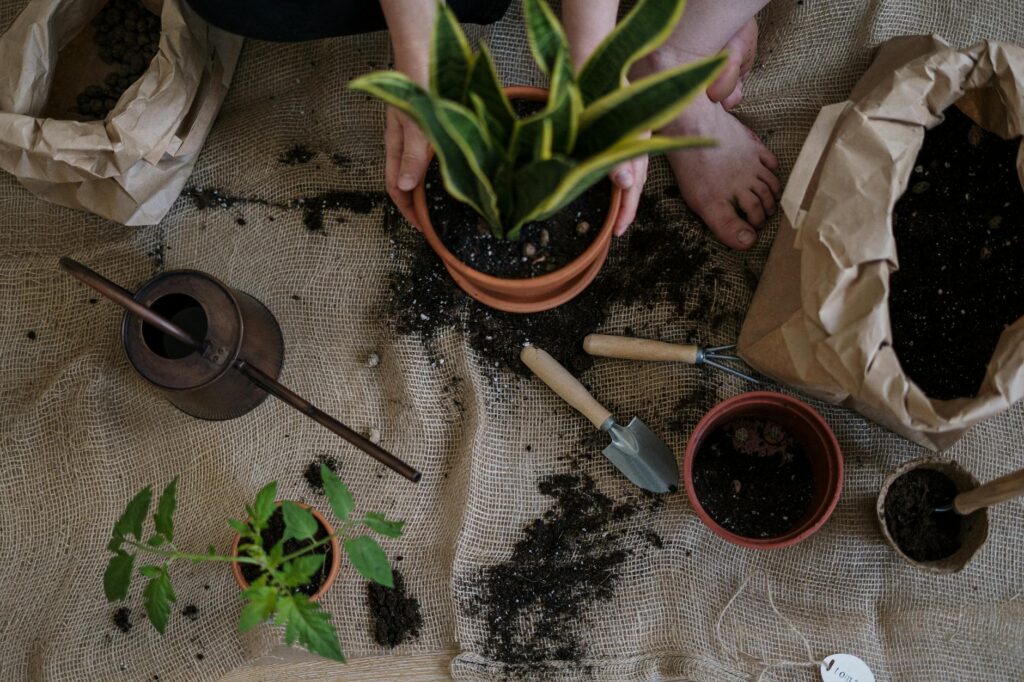
Run the D.R.I.P. Scorecard before you water again
Before doing anything else, use this rapid triage tool. Assign your plant 0, 1 or 2 points for each of the following categories. The objective is not to create a perfect botanically correct plant, but rather to eliminate guesswork about your plant’s condition and find the least expensive solution that meets the actual issue.
| Factor | 2 points | 1 point | 0 points |
|---|---|---|---|
| D = Drainage | Water runs out the bottom, and the plant is not left sitting in runoff. (extension.okstate.edu) | There is a drainage hole, but the mix stays wet for many days. (extension.umd.edu) | No drainage hole, or the pot sits in trapped water inside a cachepot. (epi.ufl.edu) |
| R = Roots | Roots are firm and light-colored, with no sour smell. (epi.ufl.edu) | Roots circle densely around the pot, or the plant dries out unusually fast. (montana.edu) | Roots are brown or black, soft, mushy, or the base is collapsing. (epi.ufl.edu) |
| I = Intensity of light | The plant sits in the light level it needs, or under supplemental lighting. (extension.umd.edu) | It survives, but dries slowly or stretches toward the window. (extension.okstate.edu) | It is in a dim corner and showing leggy, pale, or weak growth. (extension.okstate.edu) |
| P = Pattern | You water after checking soil depth or pot weight, not because the calendar says so. (extension.oregonstate.edu) | You usually check, but still drift back to a routine. (extension.oregonstate.edu) | You water every week on schedule regardless of season, light, or pot size. (extension.umd.edu) |
Reading the score: A score between 7 and 8 indicates that watering may not be your primary concern. Consider checking for salt, pests, or a mismatch between the plant and room conditions. A score of 4 to 6 indicates that there is a problem with one of your environmental factors that will probably be relatively easy to resolve. A score between 0 and 3 indicates that you should not continue the normal routine of watering but rather check the roots and correct any drainage or light-related issues first.
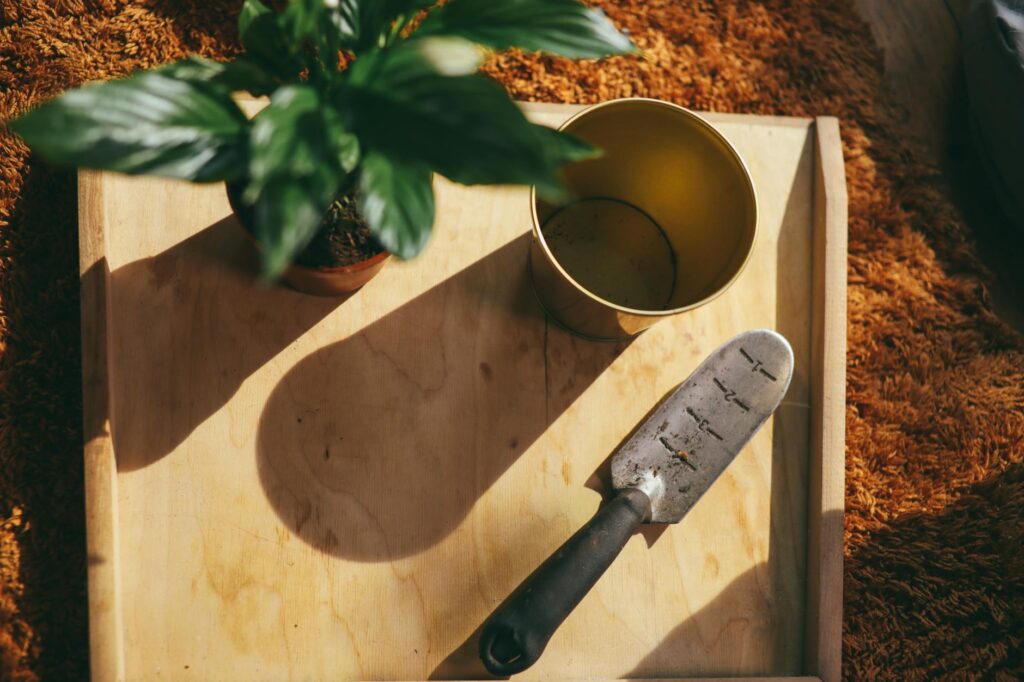
A $94 plant problem in a small apartment
Consider a renter with three plants: a $32 fiddle-leaf fig, an $18 fern, and a $24 calathea. She also buys a $20 decorative planter with no drainage and waters every Sunday because that feels responsible. Eight weeks later, two plants are yellowing and one is limp. She replaces the fern and calathea for another $42. Total spent: $94, with the underlying problem still sitting in the living room.
The cheaper path usually looks different: keep plants in nursery pots with drainage, add a saucer, buy a small bag of fresh potting mix, and use a basic grow bulb if the room is dim. Extension guidance is consistent that plants need the right light and drainage to use water properly. (extension.oregonstate.edu)
Use this decision table before you reach for the watering can
| What you see | Most likely issue | First move | What not to do |
|---|---|---|---|
| Yellow leaves and wet soil | Overwatering, poor drainage, or low light are more likely than thirst. | Pull the plant from any outer pot, check for standing water, and inspect roots before watering again. (extension.okstate.edu) | Do not add more water just because the leaves look sad. |
| Wilting even though the mix is wet | Root rot can prevent damaged roots from moving water to the leaves. | Unpot gently and look for brown, mushy roots; repot only if some healthy roots remain. (extension.umd.edu) | Do not assume wilt always means dry soil. |
| Long stems leaning toward a window | The plant is usually short on usable light. | Move it closer to appropriate light or add a grow light. (extension.umd.edu) | Do not solve a light problem with fertilizer. |
| Brown leaf tips or a white crust on the pot | Soluble salts from fertilizer or mineral-heavy water may be building up. | Water thoroughly from the top until excess drains out, empty the saucer, and ease up on feeding. (extension.umd.edu) | Do not keep adding plant food to a stressed plant. |
| Tiny black flies after watering | The potting mix is often staying too wet, which favors fungus gnats. | Let the mix dry appropriately between waterings and remove soggy debris from the surface. (yardandgarden.extension.iastate.edu) | Do not keep the soil constantly damp. |
| Cottony white spots on stems or leaf joints | Mealybugs are a common indoor pest. | Isolate the plant, swab light infestations, and discard heavily infested plants if control is failing. (extension.umd.edu) | Do not leave it touching your other plants. |
The 20-minute reset for a struggling plant
- Take the plant out of any decorative outer pot and confirm the inner container has drainage holes. Empty any trapped water. (epi.ufl.edu)
- Check moisture at the edge of the root ball with a finger and lift the pot for weight. Water only if the dryness and the plant type line up. (epi.ufl.edu)
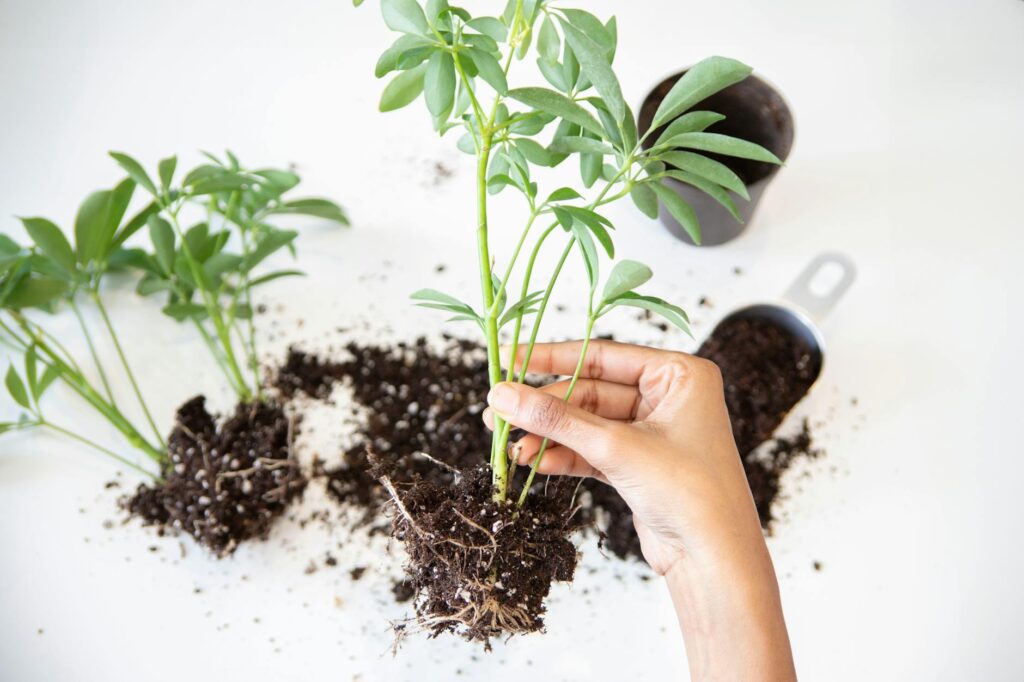
- If the mix is soggy, slide the plant out and inspect the roots. Healthy roots are firm and light; brown, soft roots point to rot. (epi.ufl.edu)
- If the plant is rootbound or the mix is dense and tired, repot into fresh mix in a container only modestly larger, with drainage. (montana.edu)
- If light is the mismatch, move the plant to a better window or add supplemental light instead of watering more. (extension.umd.edu)
- If you see white residue or burned tips, flush the soil thoroughly and reduce fertilizer until you see active growth again. (extension.umd.edu)
- If pests are present, isolate first, then treat the specific pest with an indoor-labeled product if needed. (extension.umd.edu)
If you use insecticidal soap or a houseplant spray indoors, make sure the product is labeled for indoor use and for the pest you are treating, and test a small area first when relevant. (extension.umd.edu)
Common mistakes that look like good care
- Using one watering rule for every plant, season, and room. Water needs change with light and growth rate. (extension.oregonstate.edu)
- Reading a tag that says low light and translating it as no light. Most houseplants still need meaningful light to grow. (extension.okstate.edu)
- Repotting into a pot far bigger than the root ball, which slows drying and can keep roots wet too long. A modest size increase is safer. (montana.edu)
- Leaving runoff in saucers or cachepots. Roots sitting in water are a common path to rot. (extension.okstate.edu)
- Fertilizing a struggling plant before fixing light, drainage, or roots. Excess salts can burn roots and mimic other problems. (extension.umd.edu)
- Skipping quarantine for a new purchase. Indoor pests can spread once a stressed plant is placed beside healthy ones. (ipm.ucanr.edu)
When the first fix still is not enough
Not every plant is savable. Oregon State notes there is often little to do once root rot is advanced, and Maryland says heavily infested mealybug plants should be discarded. Plants can also arrive already stressed or infected from the nursery, which means your care routine may not be the whole story. (extension.oregonstate.edu)
If rescue is failing, use a cheaper backup plan. Sanitize or replace the pot, replace tired mix, and choose a plant that matches the room you actually have. Oregon State lists pothos, snake plant, and lucky bamboo as low-light options, while succulents and cacti make more sense for bright spaces. Pots can be reused if cleaned properly. (extension.oregonstate.edu)
Budget rule: if a common plant is cheap to replace but the rescue supplies would cost more than the plant, replace the plant only after you fix the environment that killed the first one.
How to verify that the rescue plan is actually working
- Write down today’s location, the last watering date, and your D.R.I.P. score so you are tracking a system instead of guessing from memory.
- After each watering, confirm that water exits the drain hole and that no water remains in the saucer or outer pot. If that is not happening, the process is still broken. (extension.okstate.edu)
- Track dry-down time. In lower light or winter conditions, plants use water more slowly. If the soil stays soggy for many days, reassess light, pot size, and mix. (extension.umd.edu)
- Inspect once a week for new pests, especially cottony mealybugs, webbing, or tiny flies after watering. (extension.umd.edu)
- Look for trend lines, not instant beauty: fewer yellowing leaves, steadier moisture, and the end of new damage matter more than one perfect watering.
The bottom line
Indoor plants usually do not die despite watering. They die because water is being delivered into a bad setup: too little light, poor drainage, damaged roots, excess salts, or pests. Fix those first, then water based on soil dryness instead of habit. That is better plant care, and in many cases it is the cheaper way to keep plants alive. (extension.umd.edu)
FAQs
Why does my plant wilt when the soil is wet?
Because damaged roots cannot move water well. Root rot can make leaves droop even when the mix is saturated. (extension.umd.edu)
How do I know whether I have a water problem or a light problem?
Look at the pattern. Wet soil that stays wet plus yellowing often points to drainage or low light, while stretched, leggy growth and leaning stems are classic low-light clues. The D.R.I.P. score helps separate those issues quickly. (extension.umd.edu)
Should I water all my houseplants on the same day every week?
Usually not. Watering needs change with season, light, pot size, and growth rate, and winter often calls for less water indoors. (extension.umd.edu)
When is repotting the right move?
Repot when roots are circling densely, coming out of the drainage hole, the plant dries out unusually fast, or the mix is worn out and staying soggy. Choose a pot only modestly larger, not dramatically bigger. (montana.edu)
Is a grow light cheaper than replacing plants?
Often, yes, when the room is simply too dim. Extension guidance emphasizes matching plants to available light or supplementing with artificial light, and one basic grow light can cost less than replacing even one mid-priced plant. (extension.umd.edu)
What should I do if I find mealybugs?
Isolate the plant immediately. Light infestations can sometimes be spot-treated, but heavily infested plants may be better discarded before the pests spread. (extension.umd.edu)
References
- Oklahoma State University Extension – Houseplant Care – https://extension.okstate.edu/fact-sheets/houseplant-care
- University of Maryland Extension – Lighting for Indoor Plants – https://www.extension.umd.edu/resource/lighting-indoor-plants
- University of Florida Emerging Pathogens Institute – Diagnosing houseplants 101 – https://epi.ufl.edu/2024/07/03/diagnosing-houseplants-101-is-your-plant-diseased-or-just-overwatered/
- University of Maryland Extension – Winter Indoor Plant Problems – https://www.extension.umd.edu/resource/winter-indoor-plant-problems
- University of Maryland Extension – Watering Indoor Plants – https://extension.umd.edu/resource/watering-indoor-plants
- Oregon State University Extension – Set houseplants up for success: right plant, right place – https://extension.oregonstate.edu/news/set-houseplants-success-right-plant-right-place
- Montana State University Extension – Ask Steward: How do I repot a houseplant? – https://www.montana.edu/extension/lila_extn/askstewardrepothouseplant.html
- University of California Statewide IPM Program – Houseplant Problems – https://ipm.ucanr.edu/home-and-landscape/houseplant-problems/
- University of Maryland Extension – Mealybugs on Indoor Plants – https://extension.umd.edu/resource/mealybugs-indoor-plants
- Iowa State University Extension and Outreach – Fungus Gnats in Houseplants – https://yardandgarden.extension.iastate.edu/article/2023/02/fungus-gnats-houseplants